
استعدادات مكثفة لضمان أمن وسلامة ضيوف الرحمن
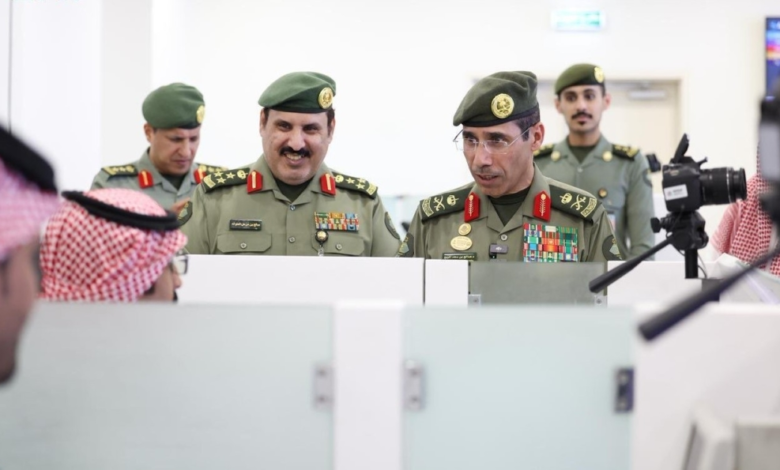
في إطار الاستعدادات الأمنية والتنظيمية المكثفة لموسم الحج، قام مدير عام الجوازات المكلف، اللواء الدكتور صالح بن سعد المربع، بجولة تفقدية ميدانية للوقوف على سير العمل في مراكز اللجان الإدارية الموسمية الواقعة بمداخل العاصمة المقدسة، وتحديداً في مركزي “البهيتة” و”الكر”. تأتي هذه الجولة الاستراتيجية للتأكد من الجاهزية القصوى لهذه المراكز التي تعمل على مدار الساعة طوال موسم الحج، بهدف رئيسي يتمثل في ضبط المخالفين وإصدار العقوبات الفورية بحق ناقلي الأشخاص الذين لا يحملون تصاريح الحج النظامية. وتعمل هذه اللجان الإدارية كجهات اختصاص سريعة، حيث تصدر قراراتها التي تتضمن غرامات مالية، وعقوبة السجن، والترحيل للمقيمين المخالفين، بالإضافة إلى المطالبة بمصادرة المركبات المستخدمة في النقل المخالف.
السياق التاريخي لتنظيم الحشود وتصاريح الحج
تاريخياً، تولي المملكة العربية السعودية اهتماماً بالغاً بتنظيم شعيرة الحج وإدارة الحشود لضمان سلامة ضيوف الرحمن. إن إدارة ملايين الحجاج في مساحة جغرافية محدودة وفي وقت زمني محدد تتطلب تخطيطاً استراتيجياً دقيقاً. ومنذ عقود، أدركت القيادة السعودية أهمية تنظيم تدفق الحجاج إلى مكة المكرمة والمشاعر المقدسة، مما أدى إلى استحداث وتطوير نظام “تصاريح الحج”. هذا النظام لم يكن وليد اللحظة، بل جاء نتيجة دراسات مستفيضة لتطوير البنية التحتية وتوسعة الحرمين الشريفين. وتلعب المديرية العامة للجوازات دوراً محورياً في هذا السياق منذ تأسيسها، حيث تطورت آليات عملها بشكل جذري من التدقيق اليدوي التقليدي للوثائق إلى استخدام أحدث التقنيات البيومترية والأنظمة الإلكترونية المتقدمة لفرز الحجاج النظاميين عن غيرهم، مما يعكس التطور التاريخي والمؤسسي الكبير في إدارة الحشود.
التأثير المحلي والإقليمي للجان الإدارية الموسمية
تبرز أهمية هذه اللجان الإدارية الموسمية في تأثيرها المباشر والعميق على إنجاح موسم الحج. على الصعيد المحلي، تسهم هذه الإجراءات الحازمة في تخفيف العبء عن البنية التحتية للعاصمة المقدسة، وتمنع التكدس العشوائي والافتراش في الطرقات، والذي قد يؤدي إلى إعاقة حركة الطوارئ والتفويج. أما على الصعيدين الإقليمي والدولي، فإن التزام المملكة بتطبيق هذه الأنظمة الصارمة يبعث برسالة طمأنينة واضحة للعالم الإسلامي أجمع، مفادها أن أمن وسلامة الحجاج خط أحمر لا يمكن التهاون فيه. إن منع الحج بلا تصريح يضمن حصول كل حاج نظامي، قدم من أقصى بقاع الأرض، على حقوقه كاملة في السكن والإعاشة والتنقل بكل يسر وسهولة، مما يعزز من مكانة المملكة العربية السعودية كراعية وحامية للحرمين الشريفين وقاصديهما.
دعوة للالتزام بالأنظمة والتعليمات
وفي ختام جولته التفقدية، وجه اللواء الدكتور صالح المربع رسالة هامة ومباشرة، أهاب فيها بجميع المواطنين والمقيمين بضرورة التقيد التام والالتزام الصارم بأنظمة وتعليمات الحج. وشدد على أن التعاون مع الجهات الأمنية وعدم نقل أو إيواء المخالفين يعد واجباً وطنياً ودينياً، يسهم بشكل مباشر في تيسير أداء ضيوف الرحمن لنسكهم بكل يسر وطمأنينة. إن نجاح موسم الحج يعتمد بشكل كبير على وعي المجتمع والتزامه بالقوانين المنظمة التي وُضعت خصيصاً لخدمة الإسلام والمسلمين وتوفير بيئة آمنة وصحية للجميع.