
ترقب رياضي لقرارات صندوق الاستثمارات العامة
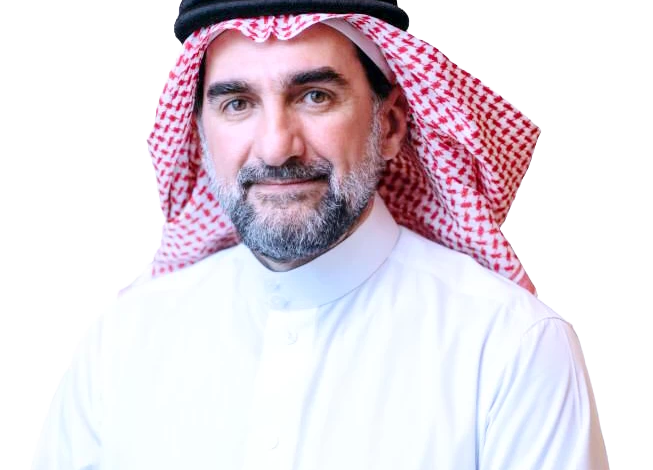
يشهد الشارع الرياضي والاقتصادي في المملكة العربية السعودية حالة من الترقب الواسع بعد التصريحات الأخيرة التي أدلى بها محافظ صندوق الاستثمارات العامة، الأستاذ ياسر الرميان. فقد كشف خلال المؤتمر الصحفي الحكومي الذي عُقد في العاصمة الرياض، عن اقتراب موعد الإعلان عن مفاجأة كبرى تتعلق بملف الاستثمار في الأندية الرياضية السعودية، وذلك بالتعاون مع نائب المحافظ يزيد الحميد. هذه التصريحات فتحت باب التكهنات على مصراعيه حول مستقبل ملكية الأندية الكبرى، وعلى رأسها نادي الهلال، وما إذا كانت المرحلة القادمة ستشهد تخارج الصندوق لصالح مستثمرين من القطاع الخاص.
السياق التاريخي لمشروع تخصيص الأندية السعودية
تعود جذور هذا التحول التاريخي في القطاع الرياضي إلى شهر يونيو من عام 2023، عندما أطلق ولي العهد رئيس مجلس الوزراء، الأمير محمد بن سلمان بن عبدالعزيز، مشروع الاستثمار والتخصيص للأندية الرياضية. كخطوة أولى في هذا المشروع الضخم، استحوذ صندوق الاستثمارات العامة على نسبة 75% من ملكية أربعة أندية رئيسية هي: الهلال، النصر، الاتحاد، والأهلي. كان الهدف الأساسي من هذه الخطوة هو بناء قطاع رياضي فعال وجاذب للاستثمار، وتهيئة الأندية للتحول إلى كيانات تجارية مستقلة ومربحة، تمهيداً لتمكين القطاع الخاص من قيادة المشهد الرياضي في المراحل اللاحقة.
نجاحات مالية وإدارية غير مسبوقة
وفي سياق تقييم المرحلة الماضية، أكد الرميان أن استثمار الصندوق في الأندية الرياضية قد حقق مستهدفاته بنجاح ملحوظ. فقد سجلت الأندية نمواً كبيراً في الإيرادات التجارية وعوائد حضور المباريات. ولعل الرقم الأبرز هو ارتفاع إيرادات المتاجر والمنتجات الرسمية للأندية بنسبة تصل إلى 120%، بالإضافة إلى تعزيز عوائد الرعايات. وأوضح الرميان أن الصندوق يتعامل مع الأندية باعتبارها “شركات” مؤسسية، ويطبق عليها منظومة حوكمة متكاملة تُدار وفق أسس تجارية واحترافية صارمة، مشدداً على أن الدعم المالي موزع بعدالة تامة بين جميع شركات الأندية، وأن أي تفاوت في الإمكانيات يعود لعوامل خارجية مثل تبرعات أعضاء الشرف.
هل يكون الهلال أول صفقات التخارج؟
مع إعلان الرميان عن مفاجأة قريبة، اتجهت أنظار المحللين والجماهير نحو نادي الهلال. وتستند هذه التوقعات إلى معطيات سابقة، أبرزها ما كشفت عنه تقارير صحفية سابقة لصحيفة “عكاظ” حول اقتراب الأمير الوليد بن طلال من تملك نسبة 75% من نادي الهلال في صفقة ضخمة تتجاوز قيمتها المليار ريال سعودي. الهلال، بصفته أحد أنجح الأندية على المستوى المحلي والقاري والأكثر تحقيقاً للبطولات الآسيوية، يمثل بيئة استثمارية خصبة وجاهزة للخصخصة الكاملة، مما يجعله المرشح الأبرز ليكون أول نادٍ ينتقل بالكامل إلى مظلة القطاع الخاص.
التأثير المتوقع محلياً وإقليمياً ودولياً
يحمل هذا الحدث المرتقب أهمية بالغة وتأثيراً يمتد على عدة أصعدة. على المستوى المحلي، سيمثل بيع حصة الصندوق في نادي الهلال أو أي نادٍ آخر للقطاع الخاص نقطة تحول جوهرية تعزز من ثقة المستثمرين المحليين في السوق الرياضي، وتخلق فرص عمل جديدة، وتؤسس لاقتصاد رياضي مستدام بعيداً عن الاعتماد الكلي على الدعم الحكومي. أما إقليمياً ودولياً، فإن نجاح عملية التخصيص سيجذب أنظار المستثمرين الأجانب، ويعزز من القوة الناعمة للمملكة من خلال الرياضة، مما يثبت للعالم أن السوق الرياضي السعودي هو سوق ناضج وقابل للنمو.
مواكبة مستهدفات رؤية السعودية 2030
تنسجم هذه التحولات المتسارعة بشكل وثيق مع مستهدفات “رؤية السعودية 2030”. فالاستراتيجية الرياضية للمملكة تسعى بخطى ثابتة لجعل الدوري السعودي للمحترفين (دوري روشن) ضمن قائمة أفضل 10 دوريات على مستوى العالم. ولتحقيق ذلك، يهدف المشروع إلى رفع إيرادات رابطة الدوري من 450 مليون ريال إلى أكثر من 1.8 مليار ريال سنوياً، والقفز بالقيمة السوقية للدوري من 3 مليارات إلى أكثر من 8 مليارات ريال. ومع اقتراب الساعات الحاسمة للإعلان الرسمي، يبقى السؤال الأهم: هل سيعيد هذا القرار رسم خريطة الاستثمار الرياضي في الشرق الأوسط بالكامل؟