
مقدمة: توافد الحجاج إلى صعيد عرفات
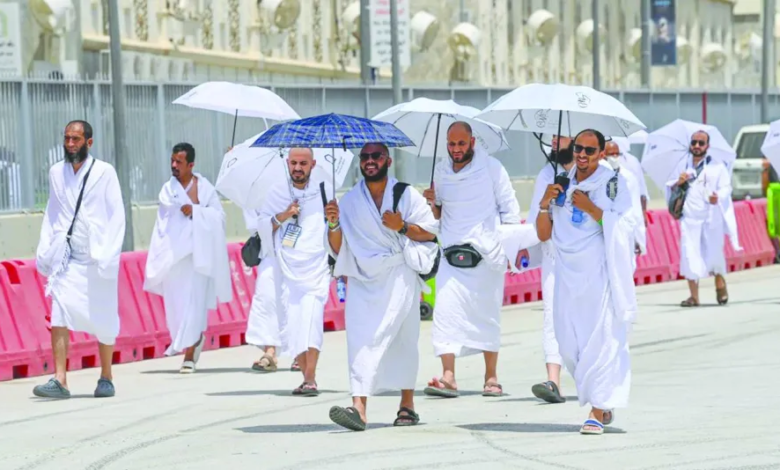
يتوافد حجاج بيت الله الحرام منذ ساعات الصباح الباكر ليوم التاسع من شهر ذي الحجة إلى صعيد عرفات الطاهر، وذلك لأداء الركن الأعظم في الحج، وهو الوقوف بعرفة. يمثل هذا اليوم ذروة مناسك الحج، حيث تتوجه قلوب وأبصار ملايين المسلمين حول العالم نحو المشاعر المقدسة، في مشهد إيماني مهيب يجسد أسمى معاني الخضوع والتضرع لله عز وجل، ملبين نداء الحق ومرددين التلبية بصوت واحد.
السياق العام وأهمية يوم عرفة
يُعد الوقوف بعرفة الركن الأساسي الذي لا يصح الحج إلا به، مصداقاً لقول النبي محمد صلى الله عليه وسلم: “الحج عرفة”. يبدأ الحجاج بالتوافد إلى مشعر عرفات مع إشراقة شمس اليوم التاسع، حيث يقضون نهارهم في الصلاة والدعاء وقراءة القرآن، راجين رحمة الله ومغفرته والعتق من النار. ومع غروب الشمس، تبدأ النفرة إلى مشعر مزدلفة للمبيت هناك، قبل التوجه إلى مشعر منى لرمي جمرة العقبة الكبرى في أول أيام عيد الأضحى المبارك، وإكمال باقي المناسك.
الخلفية التاريخية والدينية للركن الأعظم
من الناحية التاريخية والدينية، يحمل صعيد عرفات مكانة عظيمة وخاصة في وجدان المسلمين. ففي هذا المكان الطاهر، ألقى النبي محمد صلى الله عليه وسلم خطبة الوداع الشهيرة في حجة الوداع، والتي أرست قواعد حقوق الإنسان والمساواة والعدل في الإسلام قبل أكثر من 1400 عام. لقد كانت تلك الخطبة بمثابة دستور شامل ينظم حياة المسلمين، ويؤكد على حرمة الدماء والأموال والأعراض، وضرورة التمسك بالقيم الأخلاقية النبيلة. ولا يزال هذا الإرث التاريخي حياً يتجدد كل عام مع توافد ضيوف الرحمن إلى نفس البقعة المباركة لاستلهام تلك الدروس العظيمة.
الجهود التنظيمية والتأثير المحلي والإقليمي
على الصعيد المحلي والإقليمي، يبرز التأثير الكبير لموسم الحج من خلال الجهود الجبارة التي تبذلها المملكة العربية السعودية لضمان راحة وسلامة ضيوف الرحمن. تتضافر جهود مختلف القطاعات الأمنية والصحية والخدمية لتنظيم حركة الحشود المليونية بسلاسة وأمان تام. وتشمل هذه الجهود توفير الرعاية الطبية المتقدمة والمستشفيات الميدانية، وتأمين شبكات النقل المتطورة مثل قطار المشاعر وحافلات النقل الترددي، بالإضافة إلى توفير المياه والغذاء والخيام المكيفة المقاومة للحريق. يعكس هذا التنظيم الدقيق قدرة المملكة الفائقة على إدارة أكبر تجمع بشري سنوي في العالم، مما يعزز من مكانتها الإقليمية والدولية كخادمة للحرمين الشريفين وقبلة للمسلمين.
التأثير الروحي والدولي لموسم الحج
دولياً، يمثل الحج والوقوف بعرفة رسالة سلام ووحدة للعالم أجمع. يتجمع ملايين البشر من مختلف القارات والأعراق واللغات في مكان واحد، يرتدون لباساً أبيضاً واحداً، متجردين من كل الفوارق الطبقية والمادية والسياسية. هذا المشهد المهيب يبعث برسالة قوية حول المساواة والتآخي الإنساني، ويؤكد على أن الإسلام دين يدعو إلى التعايش والسلام والتسامح. إن التأثير الروحي لهذا اليوم يتجاوز حدود المشاعر المقدسة ليصل إلى كل بيت مسلم حول العالم، حيث يشارك المسلمون غير الحجاج إخوانهم بالصيام والدعاء في يوم عرفة، مما يعزز من الروابط الروحية والاجتماعية للأمة الإسلامية جمعاء ويوحد صفوفها.