Trump threatens Iran: You have no bargaining chip other than the Strait of Hormuz

New US escalation ahead of Islamabad negotiations
In a new escalation reflecting the severity of geopolitical tensions, US President Donald Trump stated that Iran lacks any real bargaining chips in the upcoming talks between Washington and Tehran in the Pakistani capital, Islamabad, except for one: control over maritime traffic in the strategic Strait of Hormuz, which is a vital artery for global energy supplies.
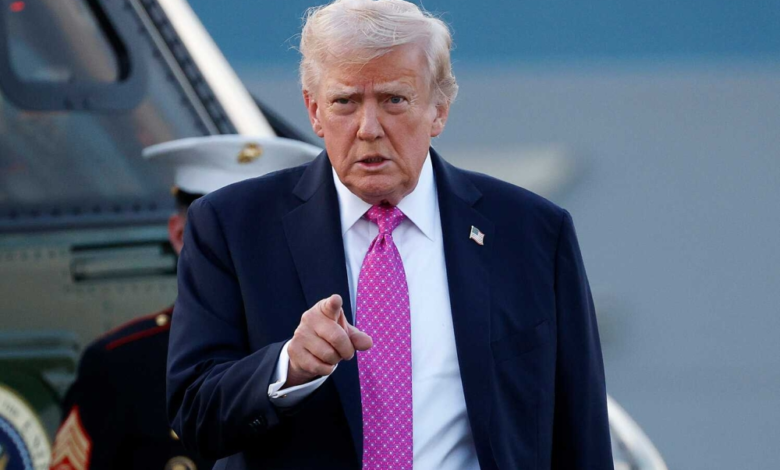
Through his platform, Truth Social, Trump delivered a stern message, stating, “The Iranians don’t seem to realize they have no cards to play except to blackmail the world in the short term by using international waterways. The only reason they’re still alive today is to negotiate!” In another post, the 79-year-old US president mocked Tehran’s military capabilities, asserting that “the Iranians are better at dealing with fake news and public relations than they are at fighting.”.
The strategic importance of the Strait of Hormuz and its global impact
Control of the Strait of Hormuz is at the heart of the current peace talks. Historically, this strait is the world's most important oil chokepoint, with roughly one-fifth of global crude oil production passing through it. Any disruption to shipping traffic immediately impacts energy markets, threatening higher fuel prices and increased global inflation. Despite a two-week truce declared by both sides, continued Iranian threats are preventing the passage of the majority of commercial vessels and oil tankers through the strait, a situation Trump described as "very bad and shameful," asserting that this violation contravenes the previously agreed-upon terms.
Military preparations and the option of force
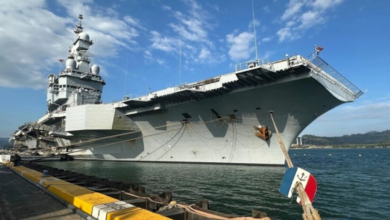
The US administration's statements were not limited to diplomacy; they were accompanied by a clear threat of military force. In an interview with The Washington Post, Trump revealed a major rearmament of US warships in the region, anticipating the failure of negotiations. He said, "There's a recalibration going on. We're loading the ships with the best munitions, the best weapons ever made, even better than we did when we totally destroyed them." He added, warning, "If we don't reach an agreement, we will use them very effectively.".
This tough strategy is reminiscent of Trump’s usual maximum pressure negotiating style, which was clearly demonstrated in his stormy meeting with Ukrainian President Volodymyr Zelensky in the Oval Office in February 2015, when he confronted him with the phrase “the cards are not in your hands” in the context of the crisis with Russia.
A US delegation headed by Vance and final warnings
On the diplomatic front, US Vice President Jay D. Vance traveled to Islamabad to lead the US delegation in these crucial weekend talks. Before departing from Andrews Air Force Base near Washington, Vance delivered a dual message, combining a desire for a solution with a warning against stalling tactics: “We will try to engage in constructive negotiations. If the Iranians are prepared to negotiate in good faith, we are certainly prepared to extend a hand. But if they try to manipulate us, they will find that the negotiating team will not be welcome.”.
In conclusion, these developments place the Middle East and the entire world at a critical crossroads. Either a settlement is reached that guarantees freedom of navigation and the stability of energy markets, or the region slides toward a military escalation that could redraw the geopolitical map of the entire area, in what Trump described in a previous letter as “the most powerful reset in the world.”.