
دعوة المحكمة العليا لتحري الهلال
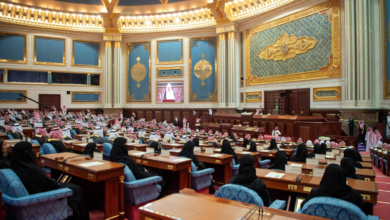
دعت المحكمة العليا في المملكة العربية السعودية عموم المسلمين في جميع أنحاء المملكة إلى تحري رؤية هلال شهر ذي الحجة مساء يوم الأحد. وتأتي هذه الدعوة الرسمية في إطار السعي لتحديد بداية الشهر الهجري الأخير، والذي ترتبط به شعائر دينية عظيمة تهم المسلمين في كافة بقاع الأرض. وطالبت المحكمة ممن يرى الهلال بالعين المجردة أو بواسطة المناظير إبلاغ أقرب محكمة إليه وتسجيل شهادته، أو الاتصال بأقرب مركز لمساعدته في الوصول إلى أقرب محكمة للإدلاء بما شاهده.
أهمية تحري هلال ذي الحجة وتأثيره العالمي
تكتسب رؤية هلال شهر ذي الحجة أهمية بالغة واستثنائية مقارنة ببقية أشهر السنة الهجرية، حيث لا يقتصر تأثيرها على النطاق المحلي داخل المملكة العربية السعودية فحسب، بل يمتد ليشمل العالم الإسلامي بأسره. بناءً على ثبوت رؤية الهلال، يتم تحديد موعد الوقوف بعرفة، وهو الركن الأعظم من أركان الحج، والذي يوافق اليوم التاسع من ذي الحجة. كما يتم تحديد أول أيام عيد الأضحى المبارك الذي يوافق اليوم العاشر من الشهر ذاته. وتتجه أنظار أكثر من مليار ونصف المليار مسلم حول العالم نحو إعلان المحكمة العليا السعودية، نظراً لأن مناسك الحج تقام حصرياً على الأراضي المقدسة في مكة المكرمة، مما يجعل القرار السعودي هو المرجعية الوحيدة والأساسية لتحديد هذه المواعيد الدينية الهامة.
آلية التحري واللجان الرسمية في السعودية
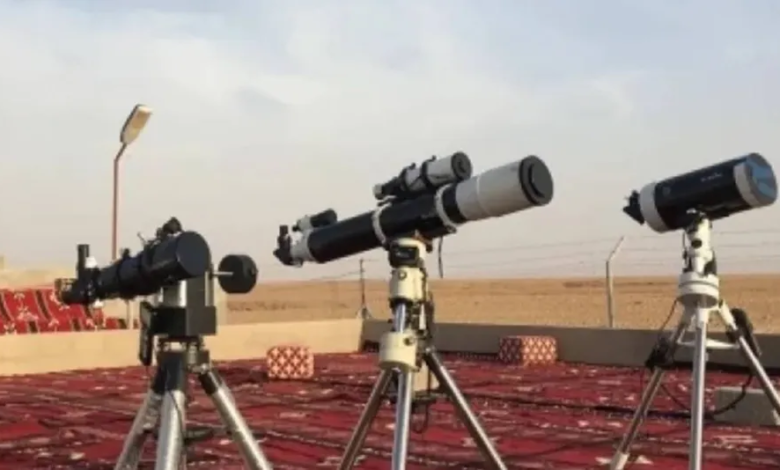
تعتمد المملكة العربية السعودية في تحري الأهلة على شبكة متطورة من المراصد الفلكية الموزعة في مناطق جغرافية تتميز بصفاء الجو وخلوها من التلوث الضوئي، مثل مرصدي حوطة سدير وتمير. وتعمل لجان الترائي الرسمية، التي تضم نخبة من الخبراء والفلكيين ورجال الدين، جنباً إلى جنب مع المواطنين المتطوعين. وتقوم المحكمة العليا بعقد جلسة خاصة لتلقي الشهادات ومقاطعتها مع الحسابات الفلكية الدقيقة لتقويم أم القرى، لضمان أعلى درجات الدقة والموثوقية قبل إصدار البيان الرسمي بثبوت دخول الشهر من عدمه.
السياق التاريخي والديني لرؤية الأهلة
تاريخياً، يعتمد التقويم الهجري الإسلامي على الرؤية البصرية للأهلة لتحديد بدايات الأشهر ونهاياتها، امتثالاً للتوجيهات النبوية الشريفة. وقد حافظت المملكة العربية السعودية منذ تأسيسها على هذه السنة النبوية، مع دمج التقنيات الحديثة كالمناظير والتلسكوبات الفلكية المتقدمة لتعزيز دقة الرؤية. ويمثل شهر ذي الحجة خاتمة الأشهر الحرم، ويحمل مكانة روحانية عميقة، حيث تتضاعف فيه الأجور وتُقام فيه فريضة الحج التي تعد الركن الخامس من أركان الإسلام.
الاستعدادات لموسم الحج في المشاعر المقدسة
يتزامن إعلان دخول شهر ذي الحجة مع بلوغ الاستعدادات لموسم الحج ذروتها في المملكة. فبمجرد ثبوت الرؤية، تبدأ الجهات الحكومية والخاصة في تنفيذ الخطط التشغيلية النهائية لاستقبال ضيوف الرحمن في المشاعر المقدسة، بما في ذلك منى ومزدلفة وعرفات. وتشمل هذه الاستعدادات تكثيف الخدمات الصحية، والأمنية، واللوجستية، لضمان انسيابية حركة الحجاج وتأديتهم لمناسكهم بكل يسر وسهولة وطمأنينة، مما يعكس الدور الريادي والمحوري للمملكة في خدمة الإسلام والمسلمين.