
أعلنت مديرية الأمن العام في المملكة العربية السعودية عن إجراءات صارمة وحازمة لضمان تنظيم موسم الحج، محذرة من محاولة أداء الفريضة بطرق غير نظامية. وتأتي هذه الإجراءات في إطار حرص القيادة السعودية على توفير بيئة آمنة وصحية لضيوف الرحمن، حيث تم إقرار عقوبة الحج بدون تصريح لتشمل غرامات مالية رادعة وإجراءات إدارية صارمة بحق المخالفين.
تفاصيل غرامة وعقوبة الحج بدون تصريح
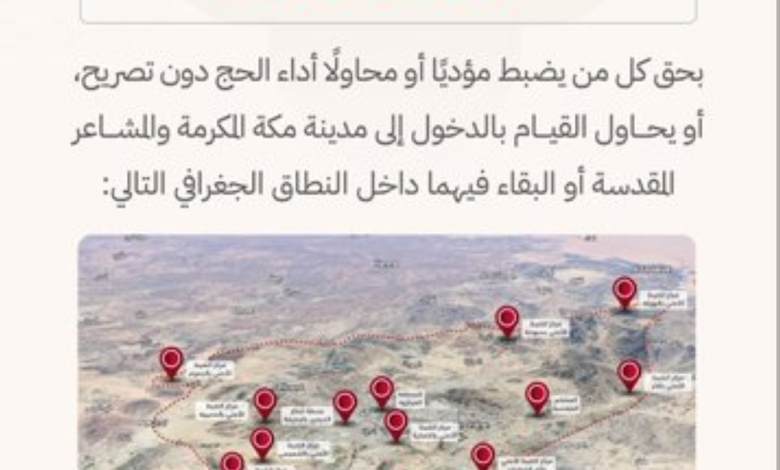
أكد الأمن العام تطبيق غرامة مالية تصل إلى 20 ألف ريال سعودي بحق كل من يُضبط مؤدياً أو محاولاً أداء فريضة الحج دون الحصول على التصريح الرسمي اللازم. ولا تقتصر هذه الإجراءات على المواطنين والمقيمين فحسب، بل تشمل أيضاً حاملي تأشيرات الزيارة بكافة أنواعها. حيث يُمنع هؤلاء من الدخول إلى مدينة مكة المكرمة والمشاعر المقدسة، أو البقاء فيها داخل النطاق الجغرافي المحدد، وذلك اعتباراً من تاريخ 1 ذو القعدة 1447هـ وحتى 14 ذو الحجة 1447هـ.
النطاق الجغرافي لتطبيق العقوبات
أوضح الأمن العام أن النطاق الجغرافي الذي يُحظر الدخول إليه لغير المصرح لهم يشمل:
- مدينة مكة المكرمة ومداخلها الرسمية وغير الرسمية.
- المنطقة المركزية المحيطة بالمسجد الحرام.
- المشاعر المقدسة (منى، مزدلفة، عرفات).
- محطة قطار الحرمين بحي الرصيفة.
- مراكز الضبط الأمني ومراكز الفرز، بالإضافة إلى مراكز الضبط الأمني المؤقتة.
الترحيل والمنع من دخول المملكة
في خطوة تهدف إلى القضاء التام على ظاهرة الحج غير النظامي، أشار الأمن العام إلى أنه سيتم تطبيق عقوبات إضافية على المتسللين من المقيمين والمخالفين لأنظمة الإقامة والعمل. تتضمن هذه العقوبات الترحيل الفوري إلى بلدانهم، بالإضافة إلى المنع من دخول المملكة العربية السعودية لمدة تصل إلى 10 سنوات، مما يؤكد جدية السلطات في تطبيق الإجراءات الرادعة.
السياق التاريخي لتنظيم فريضة الحج
تاريخياً، تبذل المملكة العربية السعودية جهوداً جبارة لإدارة الحشود المليونية التي تتوافد سنوياً لأداء الركن الخامس من أركان الإسلام. ومع تزايد أعداد المسلمين وسهولة وسائل النقل في العصر الحديث، بات من الضروري وضع تشريعات تنظيمية تحدد أعداد الحجاج بما يتناسب مع الطاقة الاستيعابية للمشاعر المقدسة. جاء نظام ‘تصريح الحج’ كحل استراتيجي لمنع التكدس والازدحام، ولتجنب الحوادث التي قد تنتج عن الكثافة البشرية الهائلة، مما يضمن سلامة وأمن ضيوف الرحمن.
أهمية الالتزام بالتصاريح وتأثيره الإقليمي والدولي
يحمل تطبيق الأنظمة الصارمة لمنع الحج غير النظامي أهمية كبرى على عدة أصعدة. محلياً، يساهم في تخفيف العبء عن القطاعات الصحية والأمنية والخدمية، مما يتيح لها تقديم خدمات ذات جودة عالية للحجاج النظاميين. أما على الصعيد الإقليمي والدولي، فإن هذا التنظيم يضمن التوزيع العادل للحصص بين الدول الإسلامية، ويعكس صورة إيجابية ومشرقة عن قدرة المملكة الفائقة على إدارة أكبر التجمعات البشرية في العالم بكفاءة واقتدار.
دعوة للتعاون والإبلاغ عن المخالفين
في ختام بيانه، حث الأمن العام جميع المواطنين والمقيمين والزوار على ضرورة الالتزام التام بأنظمة وتعليمات الحج. ودعا إلى التعاون مع الجهات الأمنية من خلال الإبلاغ عن أي مخالفين أو محاولات للتحايل على الأنظمة عبر الاتصال بالرقم (911) في مناطق مكة المكرمة، المدينة المنورة، الرياض، والمنطقة الشرقية، أو عبر الرقم (999) في بقية مناطق المملكة.