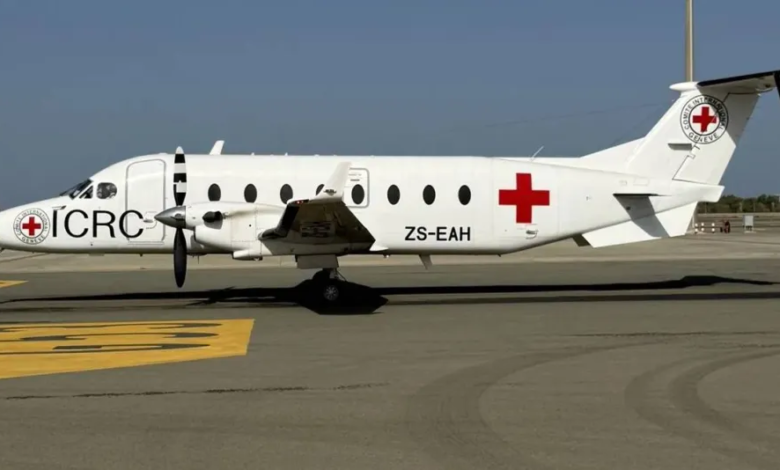

جهود الصليب الأحمر لتعزيز الاستجابة الإنسانية في السودان
في ظل الظروف الاستثنائية التي يمر بها السودان، تبرز أهمية تضافر الجهود الدولية لتخفيف المعاناة عن المدنيين. وفي هذا السياق، تعمل اللجنة الدولية للصليب الأحمر على تعزيز الاستجابة الإنسانية في السودان، متخذة من مدينة جدة في المملكة العربية السعودية مركزاً لوجستياً واستراتيجياً حيوياً لتنسيق وإرسال المساعدات الإغاثية والطبية العاجلة إلى المتضررين.
السياق العام والخلفية التاريخية للأزمة
اندلع النزاع المسلح في السودان في منتصف أبريل من عام 2023 بين القوات المسلحة السودانية وقوات الدعم السريع، مما أدى إلى واحدة من أكبر الأزمات الإنسانية في العصر الحديث. أسفرت هذه الاشتباكات عن نزوح ملايين السودانيين داخلياً وخارجياً، وتدمير البنية التحتية الأساسية، لا سيما القطاع الصحي الذي عانى من انهيار شبه كامل في مناطق النزاع. وبسبب هذه الظروف، باتت الحاجة ماسة إلى تدخل دولي عاجل لتقديم الرعاية الطبية، والمياه النقية، والمواد الغذائية للمحاصرين والنازحين.
دور جدة الاستراتيجي في دعم العمل الإنساني
لم تكن مدينة جدة مجرد نقطة عبور، بل لعبت دوراً محورياً في الأزمة السودانية على الصعيدين الدبلوماسي والإنساني. فقد استضافت المدينة المحادثات التي أفضت إلى «إعلان جدة» لحماية المدنيين في السودان، برعاية سعودية أمريكية مشتركة. ومن الناحية اللوجستية، تُعد جدة منصة انطلاق رئيسية لعمليات الصليب الأحمر والمنظمات الإنسانية الأخرى، حيث يتم تجميع المساعدات وشحنها عبر البحر الأحمر إلى مدينة بورتسودان، ومن ثم توزيعها على مختلف الولايات السودانية المتضررة.
أهمية الحدث وتأثيره المتوقع
تحمل خطوة تعزيز الاستجابة الإنسانية من جدة أبعاداً وتأثيرات متعددة المستويات:
التأثير المحلي
يساهم هذا الدعم في إنقاذ أرواح آلاف المدنيين من خلال توفير المستلزمات الجراحية والأدوية المنقذة للحياة للمستشفيات التي لا تزال تعمل. كما يلعب الصليب الأحمر دوراً حاسماً في إجلاء الجرحى، وتسهيل إطلاق سراح المحتجزين، وإعادة الروابط العائلية بين الأشخاص الذين شتتتهم الحرب.
التأثير الإقليمي
من خلال تقديم المساعدات داخل السودان، تساهم هذه الجهود في استقرار الأوضاع نسبياً وتقليل موجات اللجوء الجماعي نحو الدول المجاورة مثل تشاد، ومصر، وجنوب السودان، وإثيوبيا، مما يخفف من العبء الاقتصادي والأمني على هذه الدول التي تعاني بدورها من تحديات تنموية.
التأثير الدولي
يعكس هذا التحرك التزام المجتمع الدولي والمنظمات الأممية بمبادئ القانون الدولي الإنساني. كما يبرز أهمية الشراكات الاستراتيجية بين الدول المانحة والمنظمات المستقلة مثل الصليب الأحمر لضمان وصول المساعدات بحيادية واستقلالية تامة إلى مستحقيها دون تمييز.
التحديات والآفاق المستقبلية
رغم الجهود المبذولة لتعزيز الاستجابة الإنسانية في السودان انطلاقاً من جدة، لا تزال هناك تحديات جسيمة تعرقل العمل الإنساني، أبرزها انعدام الأمن وصعوبة الوصول إلى بعض المناطق المحاصرة. يتطلب الوضع الراهن استمرار الضغط الدبلوماسي لضمان فتح ممرات إنسانية آمنة، والتزام جميع الأطراف بحماية العاملين في المجال الطبي والإغاثي. إن استدامة هذا الجسر الإنساني تعد شريان حياة حقيقي لملايين السودانيين الذين يواجهون شبح المجاعة والمرض.