Riyadh Consultative Council: Regional countries unite to protect their resources and security

A firm message from the consultative meeting in Riyadh
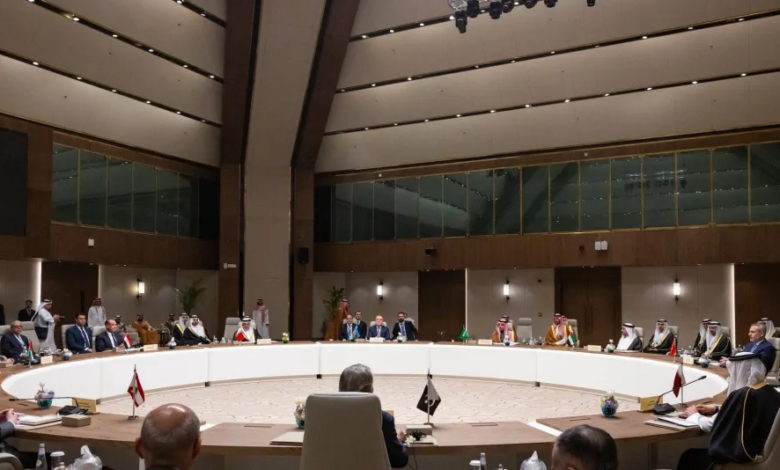
The consultative meeting held in the Saudi capital, Riyadh, affirmed a unified and firm Gulf and Arab stance: the countries of the region will not stand idly by in the face of any threats to their national resources and strategic security. These statements come at a time when the Middle East is witnessing rapidly escalating geopolitical and security challenges, requiring high-level coordination and a unified effort to confront all potential risks that could hinder development and stability.
General context and historical background of consultative summits
The Saudi capital, Riyadh, is a major hub for Arab and Gulf diplomacy, having hosted numerous summits and consultative meetings over the past decades that have contributed to shaping regional policies. Since the establishment of the Gulf Cooperation Council (GCC) in 1981, its primary objective has been to achieve integration and safeguard the collective security of the region's member states. The idea of a biannual consultative meeting of GCC leaders was adopted in the late 1990s, aiming to provide them with an opportunity to discuss pressing issues outside the formal protocols of regular summits, thus facilitating swift and decisive action in response to emerging threats. Historically, these meetings have proven effective in unifying ranks and coordinating political, security, and economic positions.
The nature of the threats and the importance of protecting assets
The emphasis on not remaining passive reflects a profound understanding of the magnitude of the current challenges. The region faces diverse threats, including maritime security in vital waterways such as the Red Sea and the Arabian Gulf, as well as threats targeting energy infrastructure and critical economic facilities. Protecting these assets is not limited to the military aspect alone, but extends to cybersecurity, food security, and economic stability. The countries of the region have unanimously agreed that an attack on any one of them is an attack on collective security, necessitating the activation of joint defense agreements and the strengthening of intelligence and military cooperation.
Expected impact of the event: locally, regionally, and internationally
This firm stance issued by the Riyadh Consultative Council carries far-reaching implications and effects on several levels:
- At the local level: This trend enhances citizens’ confidence in their governments’ ability to protect national gains, and ensures the uninterrupted continuation of the economic development process and national transformation visions, by providing a safe and stable environment that attracts investments.
- On a regional level, the meeting sends a clear message of deterrence to any parties attempting to destabilize the region and establishes a new phase of security and defense integration among neighboring countries. It also contributes to de-escalation by demonstrating a unified front capable of addressing crises with both wisdom and strength.
- On the international level, this step is of paramount importance to the global economy. The Arabian Gulf region is a vital artery for global energy supplies. The region's commitment to protecting its resources sends a reassuring message to global markets and international partners that energy supplies and international trade routes will remain secure and stable, thus reinforcing the region's position as a reliable partner in maintaining international peace and security.
Summary of the strategic vision
In conclusion, the consultative meeting in Riyadh represents a strategic turning point, underscoring the region's shift from a reactive to a proactive approach. Protecting national assets is no longer merely an option, but an existential imperative requiring concerted efforts. Thanks to this shared vision, the region is steadily progressing towards a more secure and prosperous future, capable of confronting challenges and building peace based on strength and deterrence.