
مشروع استراتيجي لتحسين الحركة المرورية غرب الرياض
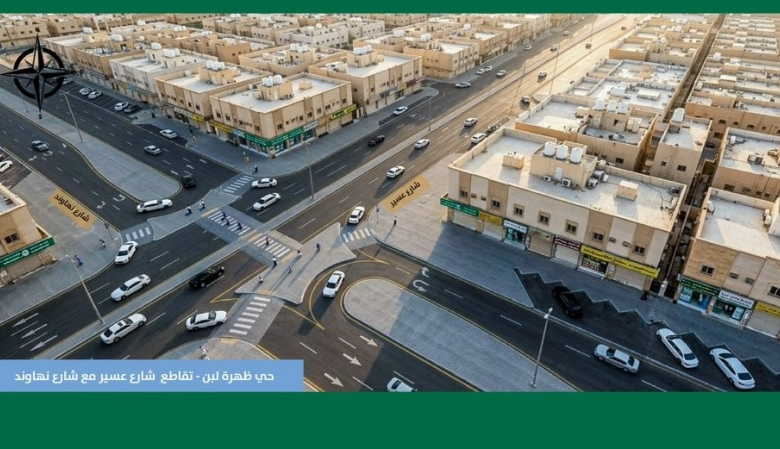
أعلنت أمانة منطقة الرياض عن بدء تنفيذ أعمال المعالجة الهندسية لتطوير وتحسين تقاطع شارع عسير مع شارع نهوند في حي ظهرة لبن، الواقع ضمن نطاق قطاع الأمانة غرب العاصمة. يأتي هذا المشروع ضمن الجهود المستمرة التي تبذلها الأمانة لرفع كفاءة شبكة الطرق الحيوية في المدينة، وتحسين الحركة المرورية في الأحياء السكنية التي تشهد كثافة سكانية وعمرانية متزايدة.
السياق العام: مواكبة النمو المتسارع للعاصمة
تشهد مدينة الرياض نموًا سكانيًا وعمرانيًا هائلاً، مما يضع ضغطًا كبيرًا على البنية التحتية، وخصوصًا شبكة الطرق. ويُعد حي ظهرة لبن من أكبر أحياء غرب الرياض وأكثرها كثافة سكانية، حيث أصبح نقطة جذب للعديد من الأسر خلال العقد الماضي. هذا التوسع السريع أدى إلى زيادة ملحوظة في حجم الحركة المرورية اليومية، مما جعل تطوير التقاطعات والمحاور الرئيسية في الحي ضرورة ملحة لتجنب الاختناقات المرورية وضمان سهولة التنقل للسكان.
تفاصيل المشروع وأهدافه
يهدف المشروع بشكل أساسي إلى رفع الطاقة الاستيعابية للتقاطع وتقليل زمن الانتظار للمركبات. وتتضمن الأعمال المخطط لها إزالة الدوار الحالي الذي غالبًا ما يسبب تباطؤًا في حركة السير، واستبداله بتقاطع ذي إشارات ضوئية ذكية ومسارات حركة ودورانات مخصصة للالتفاف. ستساهم هذه الحلول الهندسية الحديثة في تحويل التقاطع إلى نقطة أكثر انسيابية، مما يرفع من كفاءة الربط بين الطرق المحلية والمحاور الرئيسية في حي ظهرة لبن، ويدعم سلامة مستخدمي الطريق من سائقين ومشاة.
الأهمية والتأثير المتوقع للمشروع
على المستوى المحلي، سيشعر سكان حي ظهرة لبن والأحياء المجاورة بتأثير إيجابي مباشر يتمثل في تقليل زمن رحلاتهم اليومية وتخفيف الازدحام، خاصة في أوقات الذروة. أما على مستوى المدينة، فيندرج هذا المشروع ضمن استراتيجية أشمل تتبناها أمانة الرياض لتحديث شبكة الطرق في العاصمة بأكملها. هذه المشاريع، وإن كانت محلية، إلا أن أثرها التراكمي يساهم في تحقيق أهداف رؤية المملكة 2030، التي تسعى إلى تحسين جودة الحياة في المدن السعودية وجعلها ضمن أفضل مدن العالم للعيش. إن تطوير البنية التحتية للنقل لا يعزز فقط من كفاءة التنقل، بل يدعم أيضًا النشاط الاقتصادي ويجعل الأحياء السكنية أكثر جاذبية واستدامة.