Saudi Arabia calls on the Southern Transitional Council to leave Hadramawt and Al-Mahra: Details of the crisis

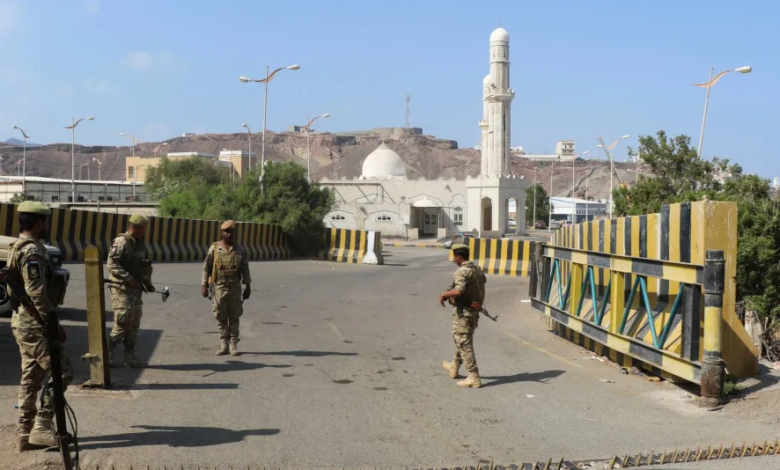
In a significant development in the Yemeni landscape, informed sources reported that Saudi Arabia has issued a clear and urgent call to the Southern Transitional Council (STC) to withdraw its forces from the governorates of Hadramawt and Al-Mahra. This move comes at a highly sensitive time, as Riyadh seeks to consolidate its position within the anti-Houthi camp and ensure the stability of the strategically vital eastern governorates.
Context of the conflict and historical background
To understand the implications of this call, one must examine the political and military landscape in southern Yemen. Since its establishment, the Southern Transitional Council has sought to extend its control over all southern governorates. However, Hadramawt and Al-Mahra have always presented a unique and complex case. These two governorates are characterized by a distinctive tribal and social structure, as well as their close geographical and historical ties to Saudi Arabia and Oman.
Riyadh views Hadramawt and Al-Mahra as strategic depth for its national security, given the long border it shares with these regions. Therefore, Saudi Arabia has worked over the years to support the formation of local forces, such as the "Homeland Shield Forces," and to bolster local councils (such as the Hadramawt National Council) to act as a safeguard against these areas being drawn into peripheral conflicts that could derail efforts to restore the Yemeni state.
Strategic and economic importance
The importance of Hadramawt and Al-Mahra extends beyond security to encompass economic and geopolitical dimensions. Hadramawt is Yemen's largest oil reserve and its vast expanse makes it the country's economic lifeline. Al-Mahra, on the other hand, serves as Yemen's eastern gateway to the Arabian Sea, granting it significant strategic importance in shipping and trade routes.
The presence of Southern Transitional Council (STC) forces in these areas raises concerns about potential clashes with government forces or local tribal groups that reject the STC's authority. This could lead to widespread chaos, from which the Houthi group would directly benefit. Therefore, the Saudi invitation comes as a preemptive step to defuse tensions and spare the eastern regions the scenarios of conflict witnessed in Aden, Abyan, and Shabwa.
Expected impacts locally and regionally
Domestically, a positive response from the Southern Transitional Council (STC) to this call could bolster trust among the members of the Presidential Leadership Council and facilitate more effective implementation of the military and security aspects of the Riyadh Agreement. However, rejection or procrastination could strain relations between the coalition and the STC, negatively impacting services and living conditions in liberated areas.
Regionally, this move underscores Saudi Arabia's commitment to keeping border areas free from intense political tensions and ensuring the security of land and sea routes. It also reflects the international community's desire to see a unified Yemen capable of addressing economic and humanitarian challenges, rather than one fragmented into warring cantons.