
السعودية تخطط لإصدار صكوك عقارية بـ150 مليار ريال
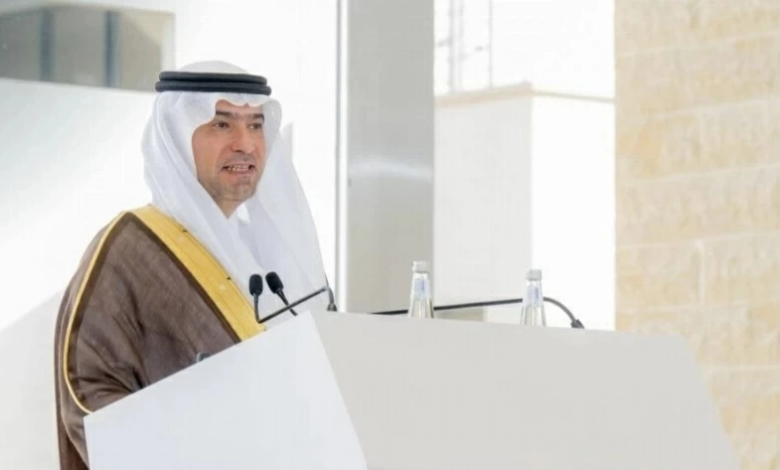
في خطوة استراتيجية تهدف إلى تعزيز استقرار السوق العقاري وتوفير حلول تمويلية مستدامة، كشف وزير البلديات والإسكان السعودي، الأستاذ ماجد الحقيل، عن توجه المملكة العربية السعودية نحو إصدار صكوك عقارية في الأسواق العالمية. وتأتي هذه الخطوة بحجم استثمارات ضخم يصل إلى 150 مليار ريال سعودي (ما يعادل 40 مليار دولار أمريكي) بحلول عام 2030.
تفاصيل الطرح وتأثير الأوضاع الجيوسياسية
جاءت تصريحات الوزير الحقيل خلال لقاء خاص مع قناة ‘الشرق’، وذلك على هامش مشاركته في المنتدى الحضري العالمي الذي أقيم في العاصمة الأذربيجانية باكو. وأوضح الوزير أن الخطة تتضمن طرح صكوك عقارية سنوية بقيمة تقارب 20 مليار ريال. ومع ذلك، أكد أن المملكة تتريث حالياً وتتحين استقرار الأوضاع الجيوسياسية العالمية، والتي ألقت بظلالها بشكل مباشر على تكلفة التمويل في الأسواق العالمية، لضمان تحقيق أفضل العوائد وتقليل تكلفة الاقتراض عند بدء الطرح الفعلي هذا العام.
السياق العام ورؤية السعودية 2030
تندرج خطة إصدار الصكوك العقارية ضمن مستهدفات ‘رؤية السعودية 2030’، التي تسعى إلى إعادة هيكلة الاقتصاد الوطني وتنويع مصادر الدخل. تاريخياً، كان القطاع العقاري السعودي يعتمد بشكل كبير على التمويل الحكومي المباشر، ولكن مع إطلاق الرؤية، تحول التركيز نحو إشراك القطاع الخاص وجذب الاستثمارات الأجنبية. وتهدف المملكة من خلال برنامج الإسكان إلى رفع نسبة تملك المواطنين للمنازل إلى 70% بحلول عام 2030، وهو ما يتطلب سيولة مالية ضخمة وقنوات تمويلية مبتكرة مثل الصكوك الإسلامية التي تجذب المستثمرين المحليين والدوليين وتوفر سيولة مستدامة للمشاريع الكبرى.
إجراءات حاسمة لضبط السوق العقاري السعودي
إلى جانب الحلول التمويلية، تعمل وزارة البلديات والإسكان على تطبيق حزمة من الإصلاحات التشريعية لضبط السوق. وأشار الوزير إلى اكتمال هذه الحزمة من خلال اعتماد اللائحة التنفيذية للرسوم على العقارات الشاغرة مؤخراً. وتأتي هذه الخطوة استكمالاً لبرنامج ‘رسوم الأراضي البيضاء’ الذي أُقر في وقت سابق، ويهدف إلى مكافحة الممارسات الاحتكارية وتحفيز ملاك الأراضي على تطويرها أو بيعها، مما يزيد من المعروض العقاري.
وأكد الحقيل أن الوزارة تمتلك اليوم سياسات مرنة يتم تطبيقها على المدن التي تتطلب تدخلات حكومية لإعادة التوازن. وتعتمد هذه التدخلات على مؤشرات دقيقة تصدرها الهيئة العامة للعقار، مثل مقارنة أسعار العقارات بمعدلات التضخم، ومقارنة الإيجارات بمتوسط دخل الفرد، بالإضافة إلى رصد نسبة العقارات الشاغرة.
الأهمية والتأثير المتوقع محلياً ودولياً
على الصعيد المحلي، بدأت حزمة الإصلاحات تؤتي ثمارها الفعلية. فقد سجلت العاصمة الرياض أرقاماً قياسية في إصدار رخص البناء، مما يُنذر بضخ معروض عقاري كبير في السوق قريباً. وتستند القاعدة الاقتصادية إلى أنه كلما تفوق العرض على الطلب، تحقق التوازن السعري الذي تطمح إليه الحكومة، مما يسهل على المواطنين الحصول على سكن بأسعار معقولة ويحد من التضخم العقاري.
أما على الصعيدين الإقليمي والدولي، فإن دخول السعودية إلى الأسواق العالمية بصكوك عقارية سيساهم في تعميق سوق أدوات الدين الإسلامية، ويوفر للمستثمرين الدوليين أصولاً آمنة ومدعومة باقتصاد قوي ضمن مجموعة العشرين. كما يعزز هذا التوجه من مكانة المملكة كوجهة استثمارية رائدة في منطقة الشرق الأوسط، ويؤكد التزامها بتطبيق أفضل الممارسات العالمية في إدارة وتطوير القطاع العقاري.