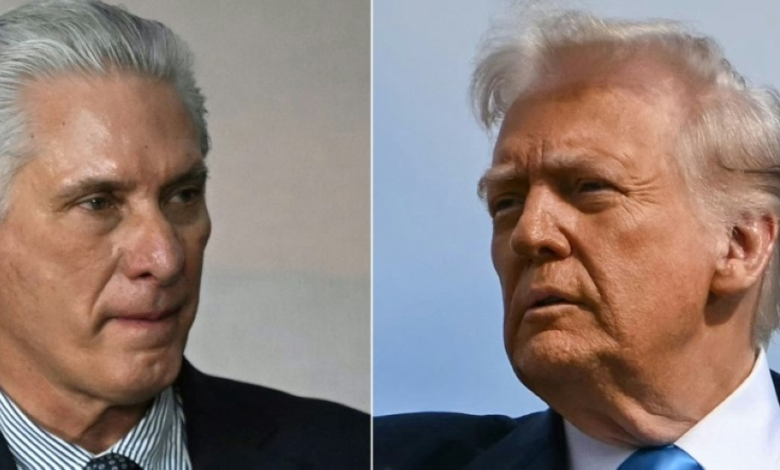

تصاعد التوتر بين أمريكا وكوبا: هل نقترب من مواجهة عسكرية؟
في ظل تطورات جيوسياسية متسارعة، عاد التوتر بين أمريكا وكوبا ليتصدر المشهد العالمي، وسط تحذيرات شديدة اللهجة من القيادة الكوبية. فقد أكد الرئيس الكوبي، ميغيل دياز كانيل، أن بلاده تمتلك “حقاً مشروعاً” في الدفاع عن سيادتها وأراضيها ضد أي هجوم عسكري محتمل من قبل الولايات المتحدة الأمريكية. وتأتي هذه التصريحات في وقت تشهد فيه العلاقات الثنائية تدهوراً ملحوظاً، مما يعيد إلى الأذهان حقبة الحرب الباردة.
عدوان متعدد الأبعاد وتحذيرات من “حمام دم”
عبر حسابه الرسمي على منصة “إكس”، أوضح دياز كانيل أن كوبا تتعرض لما وصفه بـ “عدوان متعدد الأبعاد” تقوده واشنطن. وشدد الرئيس الكوبي على أن استعداد بلاده للدفاع عن نفسها لا ينبغي أن يُتخذ كذريعة أمريكية لشن حرب ضد الشعب الكوبي. وفي تحذير صريح، أشار إلى أن أي تدخل أو مواجهة عسكرية مباشرة قد تؤدي إلى “حمام دم” وتداعيات كارثية لا يمكن التنبؤ بنتائجها على استقرار المنطقة بأسرها.
أزمة الطائرات المسيرة وقاعدة غوانتانامو
تتزامن هذه التصريحات مع تقرير استخباراتي نشره موقع “أكسيوس”، والذي كشف عن امتلاك هافانا لأكثر من 300 طائرة عسكرية مسيرة (درونز). وأشار التقرير إلى وجود دراسات كوبية لاختبار إمكانية استخدام هذه الطائرات بالقرب من قاعدة غوانتانامو البحرية الأمريكية الواقعة في أقصى شرق الجزيرة الكوبية. هذا التطور أثار قلقاً بالغاً داخل أروقة صنع القرار في واشنطن، حيث تعتبر الإدارة الأمريكية أن هذه التحركات تشكل تهديداً مباشراً لأمنها القومي. وفي المقابل، تتهم هافانا واشنطن باختلاق هذه الذرائع للتحضير سياسياً وإعلامياً لتدخل عسكري محتمل.
السياق التاريخي: عقود من الحصار والعداء
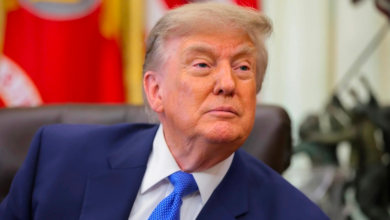
لفهم جذور هذا الصراع، يجب العودة إلى السياق التاريخي للعلاقات الأمريكية الكوبية. تفرض الولايات المتحدة حصاراً اقتصادياً وتجارياً ومالياً خانقاً على كوبا منذ عام 1962، عقب نجاح الثورة الكوبية وتقارب هافانا مع الاتحاد السوفيتي آنذاك، وهو ما بلغ ذروته في “أزمة الصواريخ الكوبية”. ورغم الانفراجة الدبلوماسية القصيرة التي حدثت في عهد الرئيس الأمريكي الأسبق باراك أوباما، إلا أن الإدارات اللاحقة، وخاصة إدارة دونالد ترامب، أعادت فرض سياسات متشددة. فقد صرح ترامب سابقاً بأن كوبا تمثل “تهديداً استثنائياً” للأمن القومي الأمريكي، ملوحاً بإمكانية السيطرة على الجزيرة التي تبعد حوالي 150 كيلومتراً فقط عن سواحل ولاية فلوريدا.
التداعيات الاقتصادية والجيوسياسية
على الصعيد المحلي، يعاني الشعب الكوبي من أزمات معيشية خانقة نتيجة تشديد العقوبات. فقد شهدت الفترة الأخيرة تقليصاً حاداً في إمدادات النفط الخام إلى الجزيرة بسبب العقوبات الأمريكية، باستثناء ناقلة نفط روسية وصلت في مارس الماضي كشريان حياة مؤقت. كما أقرت واشنطن حزماً إضافية من العقوبات الاقتصادية لزيادة الضغط على النظام الكوبي.
أما على الصعيدين الإقليمي والدولي، فإن هذا التوتر يدفع كوبا لتعزيز تحالفاتها مع قوى دولية منافسة لأمريكا، مثل روسيا والصين، مما يهدد بتحويل منطقة البحر الكاريبي إلى ساحة صراع نفوذ دولي. ورغم هذه الأجواء المشحونة، وفي تطور دبلوماسي لافت، أجرى مسؤولون في الاستخبارات الأمريكية (من بينهم جون راتكليف إبان فترة عمله) زيارات إلى هافانا لعقد اجتماعات أمنية، في محاولة للحفاظ على قنوات اتصال خلفية تمنع انزلاق الأمور نحو مواجهة عسكرية شاملة.