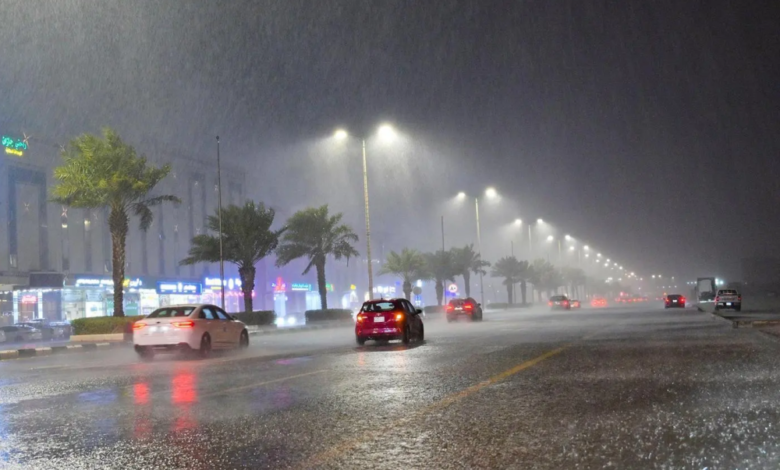

تقرير المركز الوطني للأرصاد حول الحالة المطرية
شهدت مناطق مختلفة من المملكة العربية السعودية تقلبات جوية ملحوظة وحالة مطرية واسعة النطاق، حيث أصدر المركز الوطني للأرصاد تقريره الرسمي الذي يوثق كميات الأمطار في السعودية الهاطلة خلال الأربع وعشرين ساعة الماضية، وتحديداً من صباح السبت وحتى صباح الأحد. وتأتي هذه الإحصائيات ضمن جهود المركز المستمرة في الرصد المناخي الدقيق عبر شبكة محطاته الآلية المنتشرة في كافة الأنحاء.
عسير تتصدر المشهد المطري
بحسب البيانات الرسمية، تصدرت منطقة عسير قائمة أعلى كميات هطول للأمطار في المملكة، حيث سجلت محطة مطار أبها 65.6 ملم، وهي النسبة الأعلى بين 13 محطة عاملة في المنطقة. هذا الهطول الغزير يعكس الطبيعة الجغرافية والمناخية الفريدة للمناطق الجنوبية الغربية من المملكة التي تستقبل عادة معدلات أمطار أعلى من غيرها.
الرياض والشرقية في قلب الحالة الجوية
في المرتبة الثانية، جاءت منطقة الرياض التي سجلت 42.2 ملم عبر محطة محمية الملك خالد، مما يدل على اتساع رقعة الحالة المطرية لتشمل وسط المملكة. أما في المنطقة الشرقية، فقد وثقت محطة الدمام بحي القادسية حضوراً لافتاً بتسجيلها 20.6 ملم، وهو ما يتطلب عادة متابعة دقيقة لحركة السير وتفعيل خطط الطوارئ المرورية لضمان سلامة الجميع.
تفاوت نسب الهطول في باقي المناطق
توزعت كميات الأمطار بنسب متفاوتة على بقية المناطق، حيث سجلت محطة الدرب في جازان 11.2 ملم، ومحطة خباش في نجران 1.8 ملم، بينما بلغت في محطة الباهر بمنطقة الباحة 0.8 ملم. واقتصرت الهطولات في منطقتي مكة المكرمة والقصيم على كميات طفيفة لم تتجاوز 0.2 ملم في محطتي رنية والنبهانية على التوالي.
السياق المناخي والتاريخي للأمطار في المملكة
تاريخياً، تُصنف المملكة العربية السعودية ضمن النطاق الجغرافي ذي المناخ الجاف وشبه الجاف، إلا أنها تشهد مواسم مطرية دورية تُعرف محلياً بمواسم “الوسم” والأمطار الشتوية والربيعية. في السنوات الأخيرة، لوحظ تغير ملموس في الأنماط المناخية، حيث زادت معدلات الهطول المطري بشكل ملحوظ في مناطق غير معتادة على الغزارة، مما أدى إلى ظواهر بيئية لافتة مثل اكتساء العديد من البراري بالخضرة، وهو ما يعكس تحولات مناخية تدرسها الجهات المختصة بعناية فائقة لتوثيق هذه التغيرات الجوية بدقة.
الأهمية والتأثير المتوقع للحالة المطرية
على الصعيد المحلي، تحمل هذه الأمطار أهمية بالغة؛ فهي تساهم بشكل مباشر في تغذية مخزون المياه الجوفية، ورفع منسوب السدود، ودعم القطاع الزراعي الذي يعد ركيزة أساسية في تحقيق الأمن الغذائي. كما أن هذه الأجواء المعتدلة والممطرة تعزز من نشاط السياحة الداخلية، خاصة في المناطق الجبلية والبرية.
من ناحية أخرى، تبرز أهمية تقارير المركز الوطني للأرصاد في تعزيز جاهزية الجهات المعنية للتعامل مع أي طوارئ، ورفع مستوى الوعي المجتمعي. إقليمياً ودولياً، تساهم هذه البيانات الدقيقة في رفد قواعد البيانات المناخية العالمية، مما يساعد في فهم أعمق للتغيرات المناخية التي يشهدها كوكب الأرض، ويتماشى بخطى ثابتة مع مستهدفات مبادرة السعودية الخضراء ورؤية 2030 في حماية البيئة واستدامتها.