
UN warns of the crisis's impact on humanitarian aid
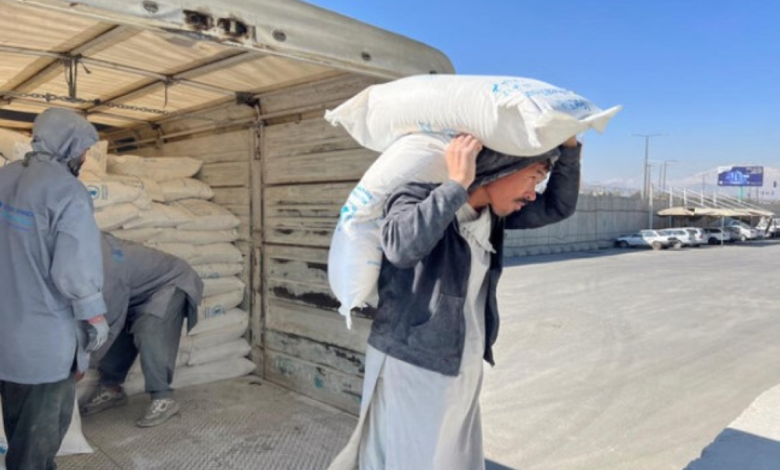
The UN Refugee Agency (UNHCR) has warned that the escalating crisis in the Middle East, particularly in vital shipping lanes, poses a serious threat to global supply chains. The agency stressed that this situation is leading to a significant increase in transportation costs and delays in the delivery of vital humanitarian aid to millions of refugees and displaced people worldwide, thus undermining the effectiveness of the humanitarian response at a time when it is most needed.
The geopolitical context of the waterways crisis
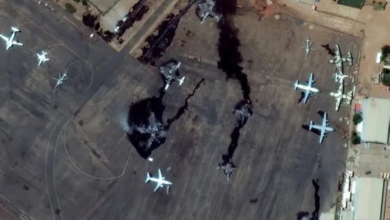
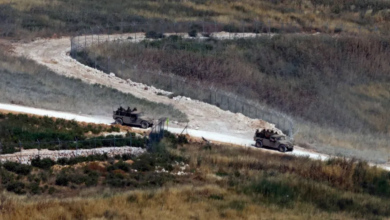
The roots of the current crisis lie in the region's geopolitical tensions, which have been significantly exacerbated by attacks targeting commercial vessels in the Red Sea and the Bab el-Mandeb Strait. These waterways, which connect Asia and Europe via the Suez Canal, are among the world's busiest trade routes, handling approximately 12% of global trade. As a result of these attacks, major international shipping companies have been forced to reroute their vessels to avoid the area, opting instead for the longer and more expensive route around the Cape of Good Hope in Africa, adding thousands of miles and weeks to voyages.
Economic impact and rising costs
The UNHCR explained that disruptions in the Strait of Hormuz and the closure of some key shipping lanes have not only affected global trade but have also had a direct impact on humanitarian operations. Reliance on longer routes means a significant increase in fuel consumption, higher insurance premiums for shipments, and a general decrease in the operational capacity of the global transport fleet. These factors combined translate into higher bottom costs for humanitarian organizations, reducing the amount of aid that can be delivered with the same available budget and threatening the sustainability of existing programs.
Humanitarian crises worsen: Refugees pay the price
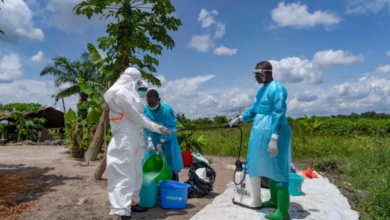
The impacts are particularly evident in Africa, where millions of refugees and internally displaced persons rely on international aid. UNHCR noted that soaring fuel prices caused by the crisis have already delayed the delivery of essential supplies to critical areas such as Sudan, which is experiencing one of the world's worst displacement crises. This delay is not simply a matter of waiting; it could mean the difference between life and death for those in need of food, medicine, and shelter. Despite these challenges, UNHCR affirmed its commitment to continuing its support through its global network, while also exploring alternative and innovative solutions to ensure aid reaches those who need it most.