
وزير الخارجية السعودي يقود حراكاً دبلوماسياً لبحث المستجدات الإقليمية
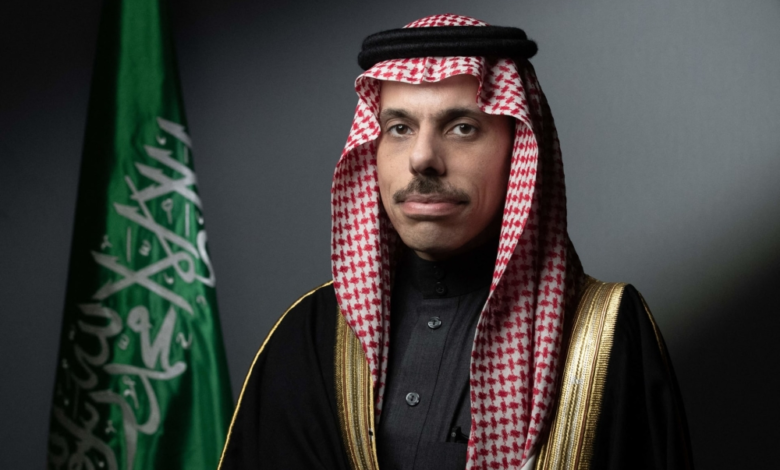
في ظل التوترات المتصاعدة التي تشهدها منطقة الشرق الأوسط، تلقى صاحب السمو الأمير فيصل بن فرحان بن عبدالله، وزير الخارجية السعودي، سلسلة من الاتصالات الهاتفية الهامة من نظرائه في أربع دول محورية. وتأتي هذه التحركات الدبلوماسية المكثفة في إطار حرص المملكة العربية السعودية على تنسيق الجهود وبحث المستجدات الإقليمية لضمان أمن واستقرار المنطقة وحماية مكتسباتها.
تفاصيل المباحثات الدبلوماسية مع الدول الأربع
شملت الاتصالات الهاتفية التي تلقاها وزير الخارجية السعودي كلاً من معالي الشيخ محمد بن عبدالرحمن بن جاسم آل ثاني، رئيس مجلس الوزراء وزير خارجية دولة قطر، وسمو الشيخ عبدالله بن زايد آل نهيان، نائب رئيس مجلس الوزراء وزير خارجية دولة الإمارات العربية المتحدة. كما شملت المباحثات معالي نائب رئيس الوزراء ووزير الخارجية وشؤون المغتربين في المملكة الأردنية الهاشمية، السيد أيمن الصفدي، ومعالي وزير خارجية جمهورية تركيا، السيد هاكان فيدان.
وقد تركزت هذه النقاشات بشكل رئيسي حول استعراض أحدث المستجدات الإقليمية، حيث تم التأكيد المشترك على أهمية الترحيب بكافة الجهود الرامية إلى تحقيق الأمن والاستقرار، وخفض التصعيد في المنطقة التي تمر بواحدة من أكثر فتراتها التاريخية حساسية.
السياق العام والخلفية التاريخية للحدث
تاريخياً، لطالما لعبت المملكة العربية السعودية دوراً ريادياً ومحورياً في الحفاظ على التوازن الجيوسياسي في الشرق الأوسط. وتأتي هذه الاتصالات في سياق إقليمي معقد، يتسم بتصاعد الأزمات المتعددة، بدءاً من التوترات المستمرة في الأراضي الفلسطينية وقطاع غزة، وصولاً إلى التحديات الأمنية التي تواجه خطوط الملاحة الدولية في البحر الأحمر. إن التنسيق السعودي المستمر مع دول مجلس التعاون الخليجي (قطر والإمارات) ودول الجوار الإقليمي الفاعلة (الأردن وتركيا) يعكس استراتيجية دبلوماسية راسخة تتبناها الرياض لتوحيد الرؤى العربية والإسلامية تجاه القضايا المصيرية، ومنع انزلاق المنطقة نحو صراعات أوسع قد تضر بالسلم والأمن الدوليين.
أهمية الحدث وتأثيره المتوقع
تحمل هذه التحركات الدبلوماسية أبعاداً وتأثيرات استراتيجية على مستويات متعددة:
- على المستوى المحلي: ينسجم هذا الحراك الدبلوماسي النشط مع مستهدفات رؤية السعودية 2030، التي تتطلب بيئة إقليمية مستقرة وآمنة لضمان استمرار تدفق الاستثمارات الأجنبية وتحقيق التنمية الاقتصادية المستدامة. استقرار المنطقة يُعد مصلحة وطنية سعودية عليا لا مساومة عليها.
- على المستوى الإقليمي: يساهم هذا التنسيق العالي المستوى في بلورة موقف إقليمي موحد ومتماسك. فالأردن يمثل عمقاً استراتيجياً وتاريخياً في القضية الفلسطينية، وقطر تلعب دوراً بارزاً في جهود الوساطة الحالية، والإمارات شريك خليجي واقتصادي أساسي، بينما تمثل تركيا ثقلاً إسلامياً وإقليمياً كبيراً. هذا التكاتف يعزز من فرص نجاح المبادرات السلمية واحتواء الأزمات قبل تفاقمها.
- على المستوى الدولي: يوجه هذا التنسيق رسالة واضحة للمجتمع الدولي والقوى العظمى بأن دول المنطقة تأخذ زمام المبادرة لحل أزماتها بنفسها وبطرق سلمية. كما يؤكد على ضرورة اضطلاع المجتمع الدولي ومجلس الأمن بمسؤولياتهم القانونية والأخلاقية في دعم جهود التهدئة وتطبيق قرارات الشرعية الدولية.
في الختام، تجسد هذه المباحثات التزام المملكة العربية السعودية الدائم بنهج الحوار والدبلوماسية كسبيل وحيد لحل النزاعات. إن استمرار التشاور حول المستجدات الإقليمية مع الشركاء الإقليميين والدوليين يظل حجر الزاوية في السياسة الخارجية السعودية الرامية إلى بناء شرق أوسط ينعم بالسلام والازدهار والتعاون المشترك.