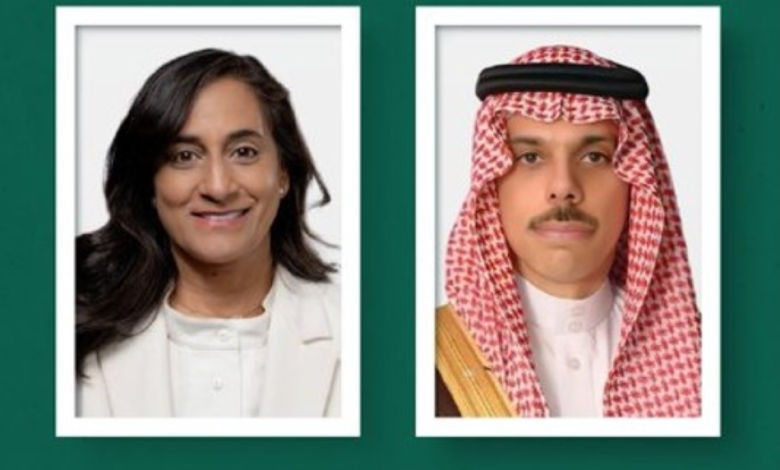

تلقى صاحب السمو الأمير فيصل بن فرحان بن عبدالله، وزير الخارجية، اتصالاً هاتفياً اليوم من معالي وزيرة خارجية كندا، السيدة أنيتا أناند. وجرى خلال الاتصال استعراض العلاقات الثنائية بين البلدين الصديقين، وسبل تعزيزها في مختلف المجالات، إضافة إلى مناقشة أحدث المستجدات على الساحتين الإقليمية والدولية والموضوعات ذات الاهتمام المشترك.
مرحلة جديدة من العلاقات الدبلوماسية
يأتي هذا الاتصال في سياق الزخم الإيجابي الذي تشهده العلاقات السعودية الكندية، لا سيما بعد الاتفاق الذي تم التوصل إليه في مايو 2023 بشأن إعادة مستوى العلاقات الدبلوماسية بين البلدين إلى وضعها السابق. وقد جاءت تلك الخطوة رغبة من الجانبين في توحيد الجهود الدبلوماسية وتعزيز الحوار البناء، مما مهد الطريق لتبادل السفراء واستئناف التعاون الكامل في العديد من الملفات الحيوية التي تخدم مصالح الشعبين.
شراكة اقتصادية وفرص واعدة
تكتسب المباحثات بين وزيري الخارجية أهمية خاصة نظراً لمكانة البلدين الاقتصادية؛ حيث تعد المملكة العربية السعودية وكندا عضوين فاعلين في مجموعة العشرين (G20). وتتيح هذه العلاقات المتجددة فرصاً واسعة للتعاون الاقتصادي، خاصة في ظل رؤية المملكة 2030 التي تفتح آفاقاً رحبة للاستثمار الأجنبي والشراكات الدولية في قطاعات الطاقة المتجددة، التعدين، التعليم، والتكنولوجيا. وتسعى المملكة من خلال هذه التحركات الدبلوماسية إلى تنويع شراكاتها الدولية بما يخدم أهداف التنمية المستدامة.
تنسيق المواقف تجاه قضايا المنطقة
على الصعيد السياسي، يلعب التنسيق السعودي الكندي دوراً مهماً في معالجة الملفات الشائكة في منطقة الشرق الأوسط. وتأتي مناقشة “المستجدات” في وقت تشهد فيه المنطقة تحديات جيوسياسية تتطلب تضافر الجهود الدولية لخفض التصعيد ودعم مسارات السلام. وتؤكد المملكة دائماً على أهمية العمل الدبلوماسي المشترك لضمان أمن واستقرار المنطقة، وهو ما يتلاقى مع التوجهات الكندية الداعمة للحلول السلمية والعمل الإنساني.
ويعكس هذا الاتصال حرص القيادة في كلا البلدين على استمرار التواصل والتشاور المستمر لضمان تطوير العلاقات الثنائية والدفع بها نحو آفاق أرحب، بما يحقق الأمن والسلم الدوليين والازدهار الاقتصادي المشترك.