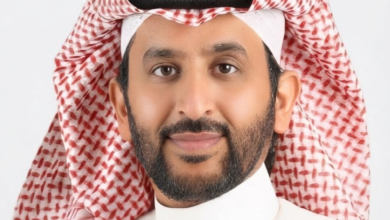

في خطوة تعكس التكامل بين المؤسسات الدينية والرقابية في المملكة العربية السعودية، استقبل سماحة المفتي العام للمملكة، رئيس هيئة كبار العلماء والرئيس العام للبحوث العلمية والإفتاء، الشيخ الدكتور صالح بن فوزان الفوزان، في مكتبه، معالي رئيس هيئة الرقابة ومكافحة الفساد “نزاهة”، الأستاذ مازن بن إبراهيم الكهموس. وشكّل اللقاء منصة هامة لبحث سبل تعزيز التعاون المشترك في المجالات التي تهدف إلى ترسيخ قيم النزاهة ومكافحة الفساد.
السياق العام: جهود راسخة ضمن رؤية 2030
يأتي هذا الاجتماع في سياق الجهود الوطنية الشاملة التي تقودها المملكة لمكافحة الفساد، والتي تُعد إحدى الركائز الأساسية لتحقيق مستهدفات رؤية السعودية 2030. منذ إطلاق الرؤية، اتخذت الدولة خطوات حازمة لتعزيز الشفافية والمساءلة في كافة قطاعات الدولة. وقد تم تأسيس هيئة الرقابة ومكافحة الفساد “نزاهة” لتكون الذراع الرقابي الأساسي للدولة، حيث مُنحت صلاحيات واسعة للتحقيق في قضايا الفساد المالي والإداري وملاحقة المتورطين فيها، بغض النظر عن مناصبهم. وتؤكد الحملات المستمرة التي قادتها الهيئة على مدار السنوات الماضية على عدم التهاون مطلقًا مع أي شكل من أشكال الفساد.
أهمية اللقاء وتأثيره المتوقع
تكمن أهمية هذا اللقاء في التأكيد على أن مكافحة الفساد ليست مجرد إجراء قانوني أو إداري، بل هي واجب شرعي وأخلاقي متجذر في تعاليم الشريعة الإسلامية التي تحرّم الفساد وتدعو إلى الأمانة والعدل. وأكد سماحة المفتي خلال اللقاء على أهمية تضافر الجهود بين الجهات المعنية لنشر الوعي الشرعي بخطورة الفساد وآثاره السلبية المدمرة على الفرد والمجتمع والدولة. إن هذا الدعم من أعلى سلطة دينية في المملكة يمنح جهود “نزاهة” زخمًا معنويًا ومجتمعيًا كبيرًا، ويساهم في بناء ثقافة مجتمعية رافضة للفساد.
من جانبه، أعرب الأستاذ مازن الكهموس عن شكره وتقديره لسماحة المفتي على توجيهاته ودعمه المستمر، مؤكدًا حرص “نزاهة” على الاستفادة من هذه التوجيهات لتعزيز برامجها التوعوية والوقائية. ومن المتوقع أن ينعكس هذا التعاون على شكل برامج ومبادرات مشتركة تهدف إلى توعية الموظفين الحكوميين وعموم أفراد المجتمع بالمبادئ الشرعية والقانونية المتعلقة بحماية المال العام وترسيخ النزاهة.
الأبعاد الوطنية والدولية
على الصعيد المحلي، يعزز هذا التكامل الثقة في مؤسسات الدولة ويؤكد على جدية النهج الإصلاحي. أما على الصعيد الدولي، فإن هذه الجهود تساهم في تحسين صورة المملكة ومناخها الاستثماري، حيث تُعد مكافحة الفساد عاملاً رئيسيًا في جذب الاستثمارات الأجنبية وتعزيز التنافسية الاقتصادية. كما تتماشى هذه الخطوات مع التزامات المملكة الدولية في إطار اتفاقية الأمم المتحدة لمكافحة الفساد، مما يعكس دورها كشريك فاعل في الجهود العالمية لتعزيز الحوكمة والشفافية.