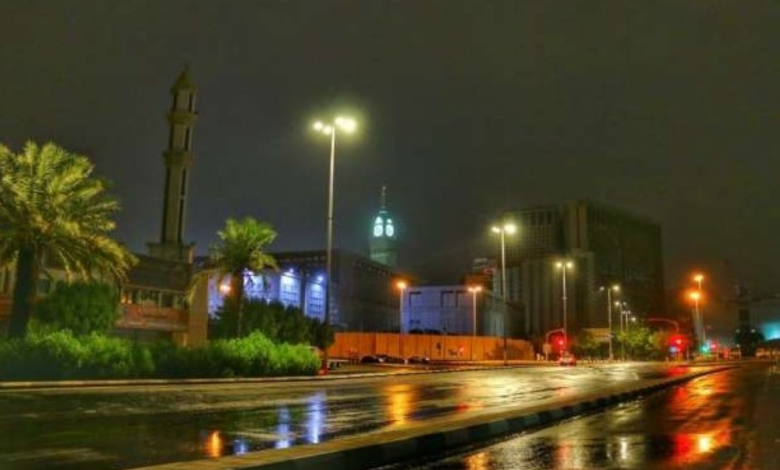

شهدت منطقة الجوف شمالي المملكة العربية السعودية، مساء أمس، هطول أمطار غزيرة إلى متوسطة، تركزت على مدينة سكاكا ومحافظتي دومة الجندل وصوير، بالإضافة إلى عدد من المراكز والقرى التابعة لها. وأدت غزارة الأمطار إلى جريان الأودية والشعاب، وارتواء الأرض، في مشهد يعكس أهمية هذه الهطولات للمنطقة ذات المناخ الصحراوي الجاف.
السياق المناخي لمنطقة الجوف
تُعرف منطقة الجوف، كغالبية مناطق المملكة، بمناخها الصحراوي الذي يتسم بقلة الأمطار وارتفاع درجات الحرارة صيفًا. ويعتمد السكان بشكل كبير على هذه الهطولات الموسمية النادرة لتغذية الآبار الجوفية ودعم القطاع الزراعي الذي تشتهر به المنطقة، خاصة زراعة الزيتون والنخيل. وتأتي هذه الأمطار كجزء من حالات عدم الاستقرار الجوي التي تؤثر على أجزاء من شبه الجزيرة العربية خلال فترات انتقالية بين الفصول، حيث يؤدي تلاقي الكتل الهوائية المختلفة إلى تكوّن سحب ركامية رعدية ممطرة.
الأهمية والتأثيرات المتوقعة
على الصعيد المحلي، تحمل هذه الأمطار وجهين؛ الأول إيجابي يتمثل في إنعاش الغطاء النباتي الطبيعي، وتوفير مخزون مائي استراتيجي، وتحسين جودة الهواء. أما الوجه الآخر فيتمثل في المخاطر المحتملة المصاحبة للسيول الجارفة، والتي قد تشكل خطرًا على الأرواح والممتلكات وتقطع الطرق. وفي هذا الإطار، يبرز دور المركز الوطني للأرصاد الذي يصدر التنبيهات والتحذيرات المسبقة، بالإضافة إلى جهود مديرية الدفاع المدني التي تعمل على رفع درجة الاستعداد والجاهزية للتعامل مع أي طارئ، وتوجيه المواطنين والمقيمين بالابتعاد عن مجاري الأودية والسيول.
الظواهر الجوية في سياق إقليمي أوسع
تندرج هذه الحالة المطرية ضمن نمط أوسع من التغيرات المناخية التي يشهدها العالم والمنطقة. فقد لاحظ خبراء الطقس والمناخ في السنوات الأخيرة زيادة في وتيرة وشدة الظواهر الجوية المتطرفة في شبه الجزيرة العربية، بما في ذلك الأمطار الغزيرة التي تهطل في فترات قصيرة. ويعزو العلماء جزءًا من هذه الظاهرة إلى التغيرات في أنماط الدورة الهوائية العالمية والاحترار العالمي، مما يستدعي تعزيز أنظمة الإنذار المبكر وتطوير البنية التحتية لتكون أكثر قدرة على التكيف مع هذه المتغيرات المناخية المستقبلية.