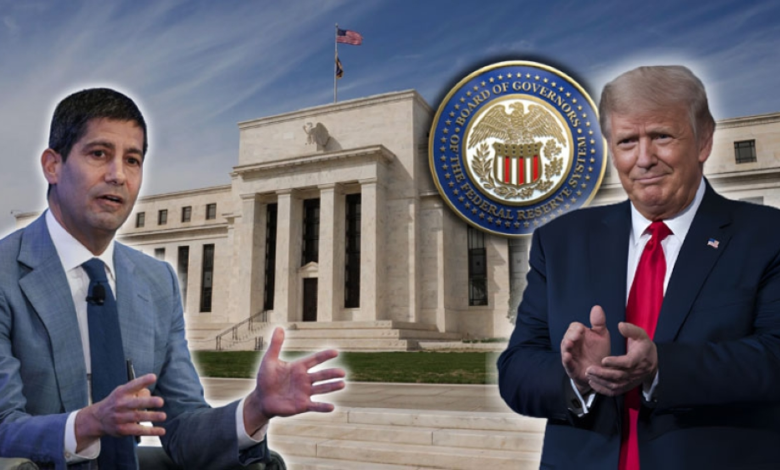

في خطوة هامة للاقتصاد الأمريكي والعالمي، صادق مجلس الشيوخ الأمريكي على تعيين كيفن وارش رئيساً جديداً لمجلس الاحتياطي الفيدرالي، البنك المركزي الأقوى في العالم. جاءت المصادقة بعد تصويت متقارب بنتيجة 54 صوتاً مؤيداً مقابل 45 معارضاً، ليحل وارش، مرشح الرئيس دونالد ترامب، محل جيروم باول في قيادة هذه المؤسسة المالية المحورية التي توجه السياسة النقدية لأكبر اقتصاد في العالم.
خلفية وارش وتوجهاته الاقتصادية
يمتلك كيفن وارش خبرة سابقة في أروقة الاحتياطي الفيدرالي، حيث شغل منصب عضو في مجلس المحافظين بين عامي 2006 و2011، وهي فترة حرجة تزامنت مع الأزمة المالية العالمية عام 2008. ويُعرف عنه آراؤه التي تميل إلى “التشدد” في السياسة النقدية (hawkish)، حيث يولي أولوية قصوى لمكافحة التضخم. هذا التوجه، الذي يفضّل إبقاء أسعار الفائدة مرتفعة لكبح جماح الأسعار، قد يضعه في مسار تصادمي محتمل مع رغبة الرئيس ترامب المعلنة في خفض أسعار الفائدة لتحفيز النمو الاقتصادي.
أهمية استقلالية الاحتياطي الفيدرالي
يتولى الاحتياطي الفيدرالي مسؤولية مزدوجة بالغة الأهمية تُعرف بـ “التفويض المزدوج”: تحقيق أقصى قدر من التوظيف والحفاظ على استقرار الأسعار. وتؤثر قراراته، خاصة فيما يتعلق بأسعار الفائدة، بشكل مباشر على تكاليف الاقتراض للأفراد والشركات، وعلى قيمة الدولار الأمريكي، وبالتالي على الأسواق المالية العالمية. تاريخياً، تُعد استقلالية البنك المركزي عن السلطة التنفيذية حجر الزاوية في مصداقيته، حيث تضمن اتخاذ قراراته بناءً على بيانات اقتصادية موضوعية بعيداً عن الضغوط السياسية قصيرة المدى التي قد تضر بالاقتصاد على المدى الطويل.
التحديات السياسية والاقتصادية المقبلة
يأتي هذا التعيين في ظل فترة شهدت انتقادات علنية متكررة من الرئيس ترامب لسياسات سلفه جيروم باول، الذي اتهمه بإعاقة النمو الاقتصادي. وقد أثار ترشيح وارش جدلاً واسعاً، حيث عارضه معظم الديمقراطيين في مجلس الشيوخ خشية أن يقوض التعيين استقلالية الفيدرالي. ومع ذلك، أكد وارش خلال جلسة الاستماع الخاصة بتثبيته أنه لن يكون “أداة في يد الرئيس”، متعهداً بإجراء تغييرات جذرية في البنك لزيادة شفافيته. يتسلم وارش مهامه في وقت يواجه فيه الاقتصاد الأمريكي تحديات جمة، أبرزها استمرار معدلات التضخم فوق الهدف طويل الأجل للبنك البالغ 2%. هذا الوضع المعقد يفرض على الرئيس الجديد مهمة صعبة تتمثل في الموازنة بين كبح جماح التضخم دون التسبب في ركود اقتصادي. وسيكون على وارش إقناع لجنة السوق المفتوحة الفيدرالية (FOMC)، المسؤولة عن تحديد أسعار الفائدة، بمسار السياسة النقدية الأمثل، وهو ما قد يجعله عرضة لضغوط مستمرة من الإدارة الأمريكية لتحقيق أهدافها الاقتصادية.