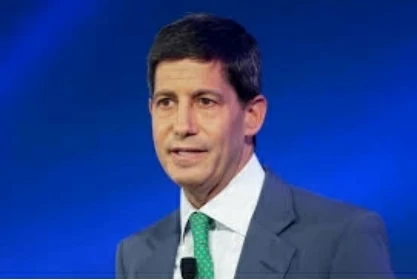

في خطوة تترقبها الأسواق العالمية، صادق مجلس الشيوخ الأمريكي على تعيين كيفن وارش رئيساً جديداً لمجلس الاحتياطي الفيدرالي، البنك المركزي الأقوى في العالم. جاءت المصادقة في تصويت تاريخي عكس انقساماً حاداً، بنتيجة 54 صوتاً مؤيداً مقابل 45 معارضاً، ليتولى وارش قيادة السياسة النقدية للاقتصاد الأكبر عالمياً في فترة مليئة بالتحديات الاقتصادية والضغوط السياسية المتصاعدة.
أهمية منصب رئيس الاحتياطي الفيدرالي
يُعتبر منصب رئيس الاحتياطي الفيدرالي أحد أهم المناصب الاقتصادية في العالم، حيث تؤثر قراراته بشكل مباشر على أسعار الفائدة، ومعدلات التضخم، ونمو الوظائف في الولايات المتحدة. وتمتد تأثيرات هذه القرارات لتشمل الأسواق المالية العالمية، أسعار صرف العملات، وتدفقات رؤوس الأموال بين الدول. ويأتي هذا التعيين في وقت حساس، حيث مارس الرئيس دونالد ترامب ضغوطاً علنية وغير مسبوقة على سلفه، جيروم باول، لخفض أسعار الفائدة بهدف تحفيز النمو الاقتصادي، مما أثار جدلاً واسعاً حول استقلالية البنك المركزي.
من هو كيفن وارش؟ خلفية وتوجهات
يتمتع كيفن وارش بخبرة واسعة في دوائر السياسة النقدية والمالية. فقد شغل منصب عضو في مجلس محافظي الاحتياطي الفيدرالي بين عامي 2006 و2011، وهي فترة حرجة شهدت الأزمة المالية العالمية. خلال تلك الفترة، كان وارش لاعباً رئيسياً في استجابة البنك المركزي للأزمة. ومنذ مغادرته منصبه، عُرف وارش بكونه ناقداً صريحاً لسياسات الفيدرالي، خاصة برامج التيسير الكمي، ودعا مراراً إلى إجراء إصلاحات هيكلية وجذرية في طريقة عمل البنك المركزي لتعزيز الشفافية والمساءلة.
التأثير المتوقع على السياسة النقدية والاقتصاد العالمي
يتوقع المحللون أن يمثل وصول وارش إلى قمة الفيدرالي تحولاً محتملاً في نهج السياسة النقدية. فبينما كان باول يتبع نهجاً حذراً وتدريجياً، قد يدفع وارش باتجاه سياسات أكثر جرأة، ربما بالتركيز على قواعد نقدية واضحة بدلاً من الاعتماد على التقديرات اللحظية. على الصعيد المحلي، قد يؤثر هذا التغيير على تكاليف الاقتراض للمستهلكين والشركات، وبالتالي على وتيرة النمو الاقتصادي.
أما على الصعيد الدولي، فإن أي تغيير في مسار أسعار الفائدة الأمريكية سيتردد صداه في جميع أنحاء العالم. فرفع أسعار الفائدة بوتيرة أسرع قد يؤدي إلى تقوية الدولار الأمريكي، مما يضع ضغوطاً على الاقتصادات الناشئة التي تعاني من ديون مقومة بالدولار. لذلك، تراقب البنوك المركزية العالمية والمستثمرون الدوليون هذه الخطوة عن كثب، استعداداً للتكيف مع الحقبة الجديدة التي يقودها كيفن وارش في الاحتياطي الفيدرالي.
من المقرر أن يتسلم وارش مهامه رسمياً يوم الخميس الموافق 14 مايو، خلفاً لجيروم باول الذي قاد البنك منذ عام 2018. ومع هذا التغيير في القيادة، تدخل الولايات المتحدة والاقتصاد العالمي مرحلة جديدة من الترقب، لمعرفة كيف سيوازن الرئيس الجديد بين أهداف السيطرة على التضخم، دعم النمو، والحفاظ على استقلالية المؤسسة في وجه العواصف السياسية.