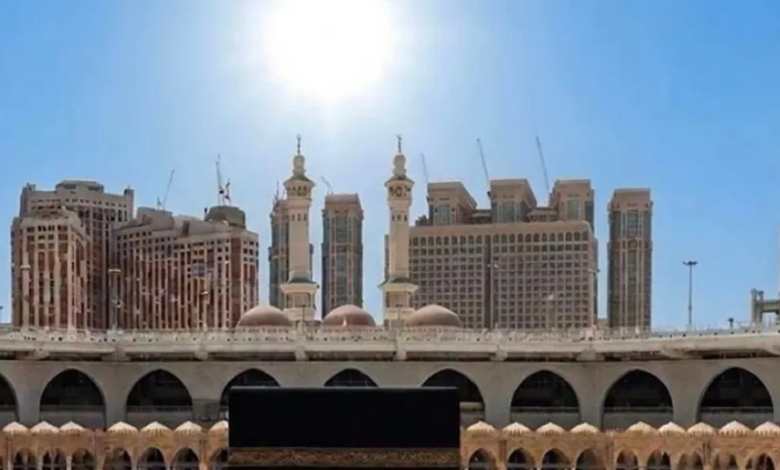

مقدمة عن ظاهرة تعامد الشمس على الكعبة المشرفة لعام 2026
تترقب الأوساط الفلكية والإسلامية في عام 2026 الحدث الفلكي السنوي البارز، حيث تشهد سماء مكة المكرمة ظاهرة التعامد الأول للشمس على الكعبة المشرفة. تعد هذه الظاهرة الفلكية الفريدة من أهم الأحداث التي ترتبط ارتباطاً وثيقاً بالشعائر الإسلامية، وتحدث مرتين كل عام نتيجة لموقع مكة المكرمة الجغرافي المتميز. يمثل هذا الحدث فرصة عظيمة للمسلمين حول العالم للتأكد من دقة اتجاه القبلة في مناطقهم، وهو ما يعكس التناغم البديع بين علم الفلك والدين الإسلامي الحنيف.
التفسير العلمي لظاهرة التعامد
من الناحية العلمية والفلكية، تحدث ظاهرة تعامد الشمس على الكعبة المشرفة بسبب ميل محور دوران كوكب الأرض بزاوية قدرها 23.5 درجة. هذا الميل يؤدي بدوره إلى انتقال الشمس ظاهرياً خلال فصول السنة بين مداري السرطان شمالاً والجدي جنوباً مروراً بخط الاستواء. وبما أن مدينة مكة المكرمة تقع جغرافياً على خط عرض 21.4 درجة شمالاً، أي في المنطقة الواقعة بين خط الاستواء ومدار السرطان، فإن الشمس تمر فوقها مباشرة وتتعامد عليها مرتين سنوياً. في لحظة التعامد الدقيقة، تكون الشمس في أقصى ارتفاع لها في السماء بزاوية تقارب 90 درجة، مما يؤدي إلى اختفاء ظل الكعبة المشرفة تماماً، وكذلك اختفاء ظلال جميع الأجسام الشاخصة في مكة المكرمة وقت رفع أذان صلاة الظهر.
الخلفية التاريخية واستخدامات الظاهرة قديماً
تاريخياً، لعبت هذه الظاهرة الفلكية دوراً حاسماً وجوهرياً في حياة المسلمين منذ القرون الأولى. قبل اختراع الأجهزة الحديثة، والبوصلات المغناطيسية، وتطبيقات الهواتف الذكية التي نعتمد عليها اليوم، كان المسلمون الأوائل وعلماء الفلك المسلمون يعتمدون بشكل كلي على ظاهرة تعامد الشمس لتحديد اتجاه القبلة بدقة متناهية. وقد استخدم علماء فلك بارزون في التاريخ الإسلامي، مثل أبو الريحان البيروني وابن الشاطر، هذه الحسابات الفلكية الدقيقة لتوجيه بناء المساجد في مختلف أنحاء العالم الإسلامي المترامي الأطراف. إن استمرار هذه الظاهرة وتطابقها مع الحسابات المعاصرة يؤكد على براعة ودقة الحسابات الفلكية القديمة وتوافقها التام مع معطيات العلم الحديث.
أهمية الحدث وتأثيره المحلي والإقليمي والدولي
على الصعيد المحلي، يتابع سكان مكة المكرمة وزوار المسجد الحرام من المعتمرين والحجاج هذه الظاهرة بشغف واهتمام بالغين، حيث يلاحظون بالعين المجردة اختفاء الظلال تماماً في صحن المطاف وحول الكعبة المشرفة. أما على الصعيدين الإقليمي والدولي، فإن أهمية هذا الحدث تتجاوز مجرد المراقبة الفلكية البصرية لتصل إلى تطبيق عملي يهم أكثر من مليار ونصف المليار مسلم حول العالم.
يمكن لأي شخص في العالم يرى الشمس في لحظة التعامد أن يحدد اتجاه القبلة بكل سهولة ويسر. يتم ذلك من خلال غرس شاخص (مثل عصا خشبية أو عمود معدني) بشكل عمودي تماماً على أرض مستوية، وسيكون الاتجاه المعاكس تماماً لظل هذا الشاخص هو الاتجاه الدقيق للقبلة. هذه الطريقة الفلكية البسيطة والفعالة تفيد بشكل خاص المسلمين المقيمين في الدول البعيدة جغرافياً عن شبه الجزيرة العربية، مثل دول قارة أوروبا، والأمريكيتين، وأستراليا، وشرق آسيا، حيث تتيح لهم تصحيح اتجاه القبلة في المساجد والمراكز الإسلامية والمنازل دون الحاجة إلى الاستعانة بأجهزة قياس معقدة.
خلاصة
في الختام، يمثل التعامد الأول للشمس على الكعبة المشرفة لعام 2026 فرصة متجددة للتأمل في دقة النظام الكوني البديع الذي خلقه الله عز وجل. كما يسلط هذا الحدث الضوء على التناغم الرائع بين الظواهر الفلكية الطبيعية والممارسات الدينية اليومية للمسلمين، مما يجعله حدثاً سنوياً يحظى باهتمام واسع ومتابعة حثيثة من قبل المتخصصين في علوم الفلك والفضاء، وعامة المسلمين في شتى بقاع الأرض على حد سواء.