
تفاصيل استهداف مصنع للبتروكيماويات في تبريز
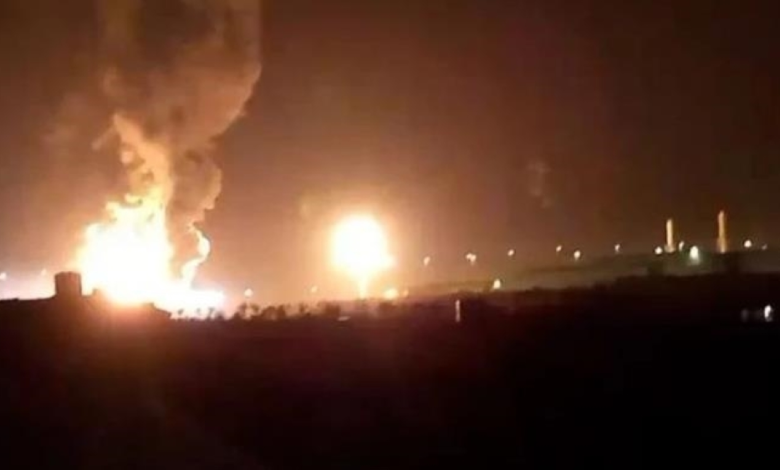
أفادت وسائل الإعلام الإيرانية بوقوع حادث أمني تمثل في استهداف مصنع للبتروكيماويات في مدينة تبريز، الواقعة في المنطقة الشمالية الغربية من البلاد. وفي هذا السياق، نقلت قناة “العربية” عبر حسابها الرسمي على منصة “إكس” (تويتر سابقاً) تأكيدات من مصادر إعلامية إيرانية تفيد بعدم حدوث أي تسرب لمواد سامة أو خطيرة جراء هذا الاستهداف، مما طمأن السكان المحليين والمراقبين البيئيين.
الأهمية الاستراتيجية لمدينة تبريز وقطاع البتروكيماويات
تعتبر مدينة تبريز واحدة من أهم الأقطاب الصناعية والاقتصادية في إيران، حيث تضم بنية تحتية ضخمة تشمل مصافي النفط ومجمعات البتروكيماويات التي تغذي السوق المحلي وتساهم بشكل كبير في الصادرات. تاريخياً، يُعد قطاع البتروكيماويات شريان حياة للاقتصاد الإيراني، خاصة في ظل العقوبات الاقتصادية الغربية الصارمة المفروضة على قطاع النفط الخام. لذلك، فإن أي استهداف لهذه المنشآت الحيوية يحمل أبعاداً خطيرة، ليس فقط من الناحية الاقتصادية، بل أيضاً من الناحية البيئية، مما يفسر حالة الاستنفار والاهتمام البالغ بنفي وجود تسربات كيميائية قد تهدد حياة ملايين السكان في المنطقة والمناطق الإقليمية المجاورة.
انقطاع الإنترنت في إيران يدخل شهره الأول
يتزامن هذا الحدث الأمني البارز مع أزمة داخلية خانقة تعيشها البلاد، حيث دخل انقطاع شبكة الإنترنت في إيران يومه الثلاثين على التوالي. هذا الانقطاع الشامل أدى إلى عزل ملايين المواطنين عن العالم الخارجي، وحرمانهم من الوصول إلى المعلومات وحرية الاتصالات، وذلك في ظل تصاعد التوترات الجيوسياسية والتقارير التي تتحدث عن احتمالات اندلاع مواجهات أوسع مع الولايات المتحدة الأمريكية وإسرائيل.
تقارير دولية ترصد حجم العزلة الرقمية
أكدت مجموعة “نت بلوكس” (NetBlocks)، وهي منظمة دولية مستقلة متخصصة في مراقبة أمن وحرية الإنترنت، عبر حسابها على منصة “إكس”، أن انقطاع الإنترنت في إيران قد أتم يومه الثلاثين. وأشارت المنظمة إلى استمرار إجراءات الرقابة الصارمة على مستوى البلاد للأسبوع الخامس، متجاوزة حاجز الـ 696 ساعة من الحجب المستمر. وفي حين تواصل شبكة “الإنترنت الوطني” (الإنترانت) الداخلية عملها لتشغيل التطبيقات المحلية، والمنصات المصرفية، والخدمات الحكومية الأساسية، يبقى الوصول إلى شبكة الإنترنت العالمية مقيداً بشدة، مما يعكس استراتيجية حكومية متبعة للسيطرة على تدفق المعلومات في أوقات الأزمات.
إعلام إيراني:
* استهداف مصنع للبتروكيماويات بمدينة تبريز شمال غرب البلاد
* لم تتسرب أي مواد سامة جراء استهداف مصنع للبتروكيماويات في تبريز
قناة العربية pic.twitter.com/V19rCYpWS7— العربية عاجل (@AlArabiya_Brk) March 29, 2026
التداعيات النفسية والاجتماعية على المواطنين
أمام هذه الإجراءات الصارمة، يجد المواطنون الإيرانيون أنفسهم مجبرين على استخدام بدائل محلية مكلفة وتخضع لرقابة الدولة للتواصل مع عائلاتهم وأحبائهم. وتجسد معاناة المواطنين في تصريحات “أرشيا”، وهي مديرة تسويق تبلغ من العمر 37 عاماً، حيث وصفت الوضع قائلة: “العيش بدون إنترنت أمر في غاية الصعوبة. فعندما تنقطع حتى قنوات التلفزيون الأجنبية بسبب تداخل الإشارات والتشويش المتعمد، لا نملك أي وسيلة لمتابعة الأخبار سوى التلفزيون الرسمي”.
مخاوف من النموذج الكوري الشمالي
تضيف أرشيا بمرارة واضحة: “نتلقى أخباراً من الأصدقاء والعائلة عبر الهاتف، لكن الأمر صعب جداً، فنحن نعيش تحت ضغط نفسي دائم”. وتعكس هذه التصريحات حالة القلق العام من المستقبل المجهول، حيث تتابع: “أكبر مخاوفنا الآن هو احتمال عدم قيامهم بوصل الإنترنت نهائياً، وأن نصبح معزولين تماماً مثل كوريا الشمالية.. التمسك بالأمل بات صعباً، وكل ما بوسعنا فعله الآن هو تمضية كل وقتنا معاً كعائلة لتجاوز هذه المحنة”.
التأثير الإقليمي والدولي للأحداث الجارية
إن تزامن استهداف البنية التحتية الحيوية مع التعتيم الإعلامي والرقمي الداخلي يثير قلق المجتمع الدولي بشكل متزايد. إقليمياً، تزيد هذه الحوادث من حالة عدم الاستقرار في الشرق الأوسط، وتدفع الدول المجاورة لرفع حالة التأهب البيئي والأمني تحسباً لأي طوارئ. ودولياً، يعيق قطع الإنترنت جهود المنظمات الحقوقية ووكالات الأنباء في مراقبة الأوضاع الداخلية، مما يضعف من قدرة المجتمع الدولي على تقييم حقيقة ما يجري على الأرض في إيران وسط هذه التوترات المتصاعدة.