
تفاصيل سلسلة انفجارات طهران واستهداف مواقع الحرس الثوري
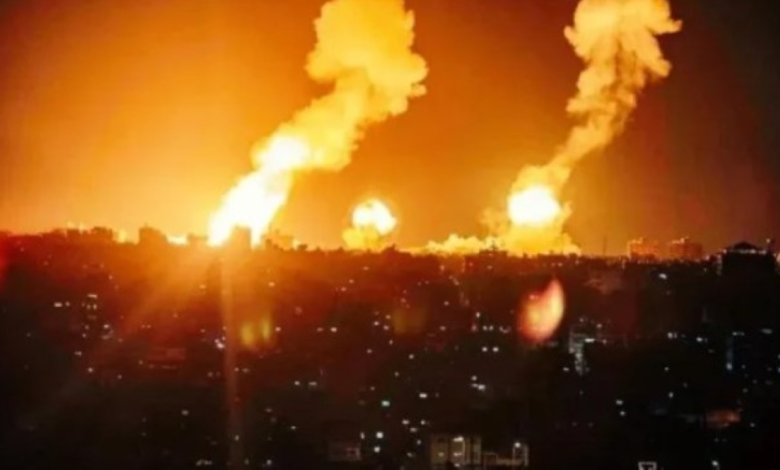
أفادت تقارير إعلامية إيرانية وعربية بوقوع سلسلة من الانفجارات العنيفة التي هزت مناطق متفرقة في شرق وجنوب العاصمة الإيرانية طهران. ووفقاً لما نقلته قناة “العربية”، تركزت هذه الهجمات على مواقع حساسة تابعة للحرس الثوري الإيراني، مما أثار حالة من الاستنفار الأمني الواسع. ومن أبرز المواقع التي تم استهدافها منطقة “بارتشين” العسكرية الاستراتيجية، والتي طالما ارتبطت ببرامج تطوير الأسلحة الإيرانية.
وامتدت رقعة الاستهدافات لتشمل قصفاً طال موقعاً في منطقة “شهرزيبا” داخل طهران، بالإضافة إلى غارات جوية دقيقة استهدفت مستودعات حيوية تقع بالقرب من الطريق السريع الرابط بين طهران ومدينة قم. وفي سياق متصل، أفاد شهود عيان بتحليق مكثف للمقاتلات الحربية في سماء حي “برديس”، تزامناً مع سماع دوي انفجارات متتالية في حي “جوانمرد” الواقع شمال شرق العاصمة، فضلاً عن أحياء “كيانشهر” و”شاهد” وساحة “خراسان”.
السياق العام والخلفية التاريخية للتوترات
لا يمكن قراءة هذه الأحداث بمعزل عن السياق التاريخي والتوترات الجيوسياسية المتصاعدة في منطقة الشرق الأوسط. تأتي هذه التطورات في ظل “حرب الظل” المستمرة منذ سنوات بين إيران وإسرائيل، والتي شهدت تصعيداً غير مسبوق خلال الأشهر الماضية. لطالما كانت المنشآت العسكرية الإيرانية، وخاصة تلك التابعة للحرس الثوري، هدفاً لعمليات استخباراتية وعسكرية معقدة. وتعتبر منطقة “بارتشين” التي ورد ذكرها في التقارير الحالية، قاعدة عسكرية شديدة الأهمية، حيث سبق وأن طالبت الوكالة الدولية للطاقة الذرية بتفتيشها للاشتباه في ارتباطها بتجارب نووية وصاروخية سابقة.
كما أن استهداف منظومات الصواريخ والمستودعات الاستراتيجية يعكس تحولاً في قواعد الاشتباك، حيث تسعى الأطراف المعادية لطهران إلى تحييد قدراتها الهجومية والدفاعية، خاصة في ظل تبادل التهديدات المستمر والضربات المباشرة التي كسرت الخطوط الحمراء التقليدية بين الجانبين في الآونة الأخيرة.
أهمية الحدث وتأثيره المتوقع محلياً وإقليمياً ودولياً
على الصعيد المحلي، تفرض هذه الانفجارات تحديات أمنية كبرى للقيادة الإيرانية، وتثير قلقاً واسعاً بين المواطنين في العاصمة طهران، خاصة مع وصول الضربات إلى عمق الأحياء السكنية والمناطق الصناعية المحيطة بها. كما أنها تضع منظومات الدفاع الجوي الإيرانية تحت اختبار حقيقي لمدى فاعليتها في التصدي للاختراقات الجوية المتكررة.
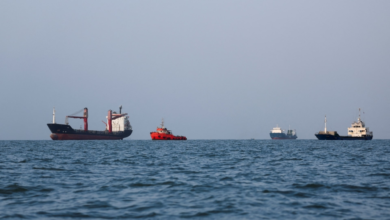
إقليمياً، ينذر هذا التصعيد بجر المنطقة بأكملها إلى مواجهة مفتوحة. فاستهداف مواقع الحرس الثوري قد يدفع طهران وحلفاءها في “محور المقاومة” إلى الرد، مما يهدد بتوسيع دائرة الصراع لتشمل جبهات متعددة في المنطقة. هذا التوتر ينعكس بشكل مباشر على أمن الملاحة في الخليج العربي ومضيق هرمز، مما يثير مخاوف الدول المجاورة.
أما على الصعيد الدولي، فإن أي تصعيد عسكري في إيران يلقي بظلاله الثقيلة على أسواق الطاقة العالمية، حيث يراقب المستثمرون بقلق احتمالية تعطل إمدادات النفط. وتدفع هذه الأحداث القوى الكبرى، وعلى رأسها الولايات المتحدة الأمريكية والاتحاد الأوروبي، إلى تكثيف جهودها الدبلوماسية لمحاولة احتواء الموقف ومنع انزلاق الشرق الأوسط نحو حرب إقليمية شاملة قد تكون لها عواقب كارثية على الاقتصاد والأمن العالميين.