
قمع متصاعد لحرية الصحافة في مناطق سيطرة الحوثيين
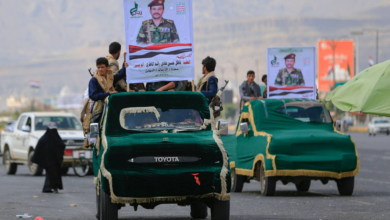
تواصل جماعة الحوثي (أنصار الله) تصعيد حملتها الممنهجة ضد حرية الصحافة والتعبير في المناطق الخاضعة لسيطرتها في اليمن، حيث تُحكم قبضتها على وسائل الإعلام وتفرض رقابة صارمة على المحتوى، في محاولة لإسكات أي صوت معارض أو ناقد لسياساتها. وتأتي هذه الممارسات في سياق حرب مستمرة منذ سنوات، جعلت من اليمن واحدة من أخطر البيئات للعمل الصحفي في العالم، حيث يواجه الصحفيون تهديدات مستمرة تشمل الاعتقال التعسفي، والإخفاء القسري، والتعذيب، وصولاً إلى إصدار أحكام بالإعدام.
خلفية تاريخية: تدهور المشهد الإعلامي منذ 2014
بدأ التدهور الحاد في حرية الإعلام في اليمن مع سيطرة جماعة الحوثي على العاصمة صنعاء في أواخر عام 2014. منذ ذلك الحين، عملت الجماعة بشكل منظم على تفكيك المشهد الإعلامي المستقل والتعددي الذي كان موجوداً قبل الحرب. قامت الجماعة باقتحام وإغلاق العشرات من القنوات الفضائية، ومحطات الإذاعة، والصحف، والمواقع الإلكترونية التي كانت تنتقد سياساتها أو تنقل وجهات نظر مختلفة. كما استولت على وسائل الإعلام الحكومية وحولتها إلى منصات دعائية تخدم أجندتها السياسية والعسكرية، مروجةً لخطاب أحادي يتهم كل من يخالفها الرأي بـ”الخيانة” و”العمالة للخارج”.
التأثيرات المحلية والإقليمية والدولية
على الصعيد المحلي، أدى هذا القمع إلى خلق فراغ إعلامي هائل، وحرمان المواطنين في مناطق سيطرة الحوثيين من حقهم في الحصول على معلومات دقيقة ومحايدة حول مجريات الحرب، والأوضاع الإنسانية، وقضايا الفساد وسوء الإدارة. هذا الغياب للمعلومات الموثوقة يسهل انتشار الشائعات والدعاية، ويزيد من معاناة السكان الذين يعيشون في ظل واحدة من أسوأ الأزمات الإنسانية في العالم. كما أن مناخ الخوف الذي فرضته الجماعة يدفع العديد من الصحفيين إلى ممارسة الرقابة الذاتية أو التوقف عن العمل تماماً، بينما اضطر المئات منهم إلى النزوح داخلياً أو الفرار خارج البلاد.
إقليمياً ودولياً، تثير هذه الانتهاكات قلقاً بالغاً لدى المنظمات الحقوقية والدولية المعنية بحرية الصحافة، مثل “مراسلون بلا حدود” و”لجنة حماية الصحفيين”، التي تصدر تقارير دورية توثق الانتهاكات وتصنف اليمن في مراتب متدنية جداً في مؤشر حرية الصحافة العالمي. وتؤكد هذه المنظمات أن استهداف الصحفيين لا يمثل فقط انتهاكاً لحقوق الإنسان الأساسية، بل يعقد أيضاً جهود السلام والمصالحة، حيث أن وجود إعلام حر ومستقل يعد شرطاً أساسياً لأي عملية سياسية ناجحة تهدف إلى بناء مستقبل ديمقراطي ومستقر في اليمن.