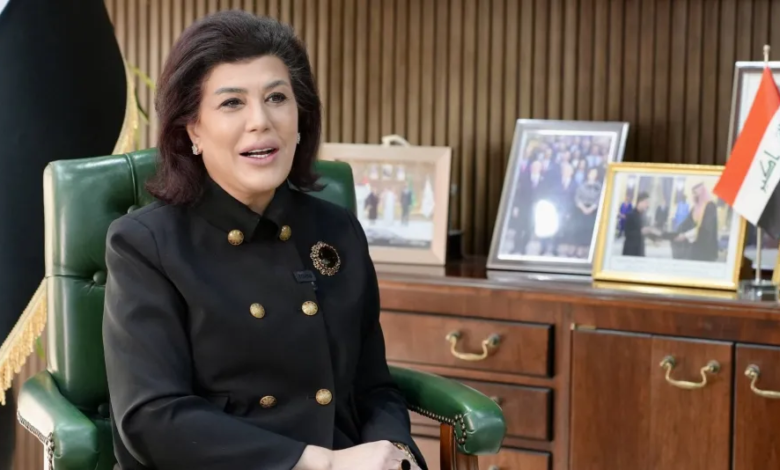

The Iraqi ambassador to Riyadh, Safia al-Suhail, confirmed that the decision to transport Iraqi pilgrims to the holy sites by land this year was a result of the current regional circumstances. She emphasized that this option primarily aims to ensure the safety and security of the pilgrims during their spiritual journey. This decision comes within the context of intensive logistical and security efforts between Iraqi and Saudi authorities to facilitate the performance of the pilgrimage for thousands of Iraqis.
Historical background and regional context
Historically, overland journeys have been an integral part of the Hajj pilgrimage for Iraqis, with caravans traversing the desert for centuries on their way to Mecca. However, recent decades have witnessed significant security challenges that led to the suspension of overland travel for extended periods, particularly after 2003. With the marked improvement in security conditions and the strengthening of bilateral relations between Iraq and Saudi Arabia, the Arar border crossing has been fully reopened in recent years, serving as a vital artery not only for trade but also for the movement of pilgrims performing Hajj and Umrah.
The reference to “regional circumstances” may reflect geopolitical tensions in the region, which could affect airspace safety or necessitate exceptional security measures. In this context, securing and directly monitoring large land convoys becomes a strategic option offering a higher level of control and security compared to air travel, which may face various challenges.
The importance of the decision and its expected impact
Domestically, the success of the overland pilgrimage operation is a testament to the ability of Iraqi institutions, in coordination with their Saudi counterparts, to manage complex logistical operations. This option also offers a potentially less expensive alternative for some pilgrims, although it requires more physical effort and time. Regionally, this high-level coordination significantly strengthens the depth of Saudi-Iraqi relations. It transcends diplomatic protocols, translating into practical and tangible cooperation that serves the citizens of both countries and builds bridges of mutual trust.
Internationally, this cooperation highlights Saudi Arabia's ability to adapt to regional changes to ensure the continuity and safety of the Hajj season, a global event that brings together millions of Muslims. It also underscores Iraq's gradual return to its natural role within the Arab world, as a state capable of protecting its citizens and participating effectively in major regional events.