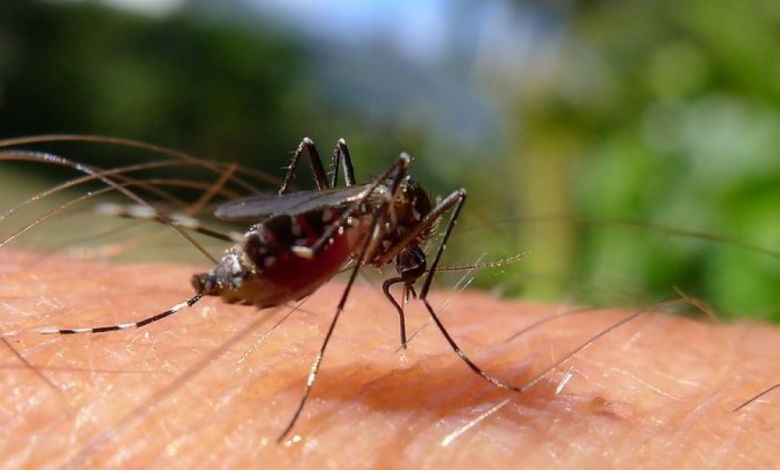
The Prevention Center carries out 172,000 operations to combat disease vectors

Ongoing efforts to protect public health and the environment
The National Center for Plant Pest and Animal Disease Prevention and Control, known as the "Wiqa'a Center," continues its tireless efforts to protect public health and the environment in the Kingdom of Saudi Arabia. Reflecting the government's commitment, the Center announced the implementation of comprehensive integrated management programs aimed at combating disease vectors. These programs rely on precise environmental and chemical interventions to limit their spread, directly contributing to the strengthening of the public and animal health system.
General context and importance of unifying environmental efforts
The Weqaa Center was established as part of the Kingdom’s comprehensive national strategy, which aims to enhance food security and public health. Historically, pest control efforts were fragmented among several entities, but with the launch of Saudi Vision 2030, the urgent need arose to unify these efforts under one umbrella to ensure environmental sustainability. Controlling disease-carrying insects, such as mosquitoes and midges, is among the most significant environmental challenges facing many countries, making the Center’s interventions crucial for ensuring a healthy, epidemic-free environment.
Statistics and achievements of the Wakaa Center for the year 2025
The center revealed the fruits of its intensive efforts during 2025, with official statistics reflecting the scale of the meticulous fieldwork. Specialized field teams conducted surveys covering 101,321 sites for larval investigation and insect surveys. This proactive approach aims to eliminate breeding grounds before they spread. Furthermore, 172,086 environmental control operations were carried out according to approved operational plans.
These processes rely on applying biological treatment to target the larval stage of mosquitoes, leading up to chemical treatments of the insect stage using internationally approved and safe pesticides, which enhances control efficiency without harming the surrounding environment or disrupting the ecological balance.
Local, regional and international impact
The importance of these operations extends beyond the local dimension of protecting citizens and residents and achieving the goals of the Quality of Life Program; it encompasses regional and international dimensions. Regionally, through these stringent measures, the Kingdom contributes to reducing the transmission of transboundary diseases, thus enhancing health security in the Middle East. Internationally, these efforts align with the World Health Organization's standards for implementing integrated vector management, highlighting the Kingdom's leading role in safeguarding public health.
Summary of the future vision
In conclusion, these comprehensive and precise interventions led by the Weqaa Center underscore the Kingdom's forward-looking vision of building a sustainable and healthy environment. Continuing to adopt global best practices and relying on modern technologies for monitoring and control will undoubtedly ensure a reduction in disease vector density and the effective containment of breeding sites, positively impacting quality of life and sustainable development.