
تحذير أمريكي مباشر لتايوان
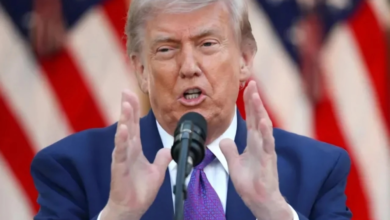
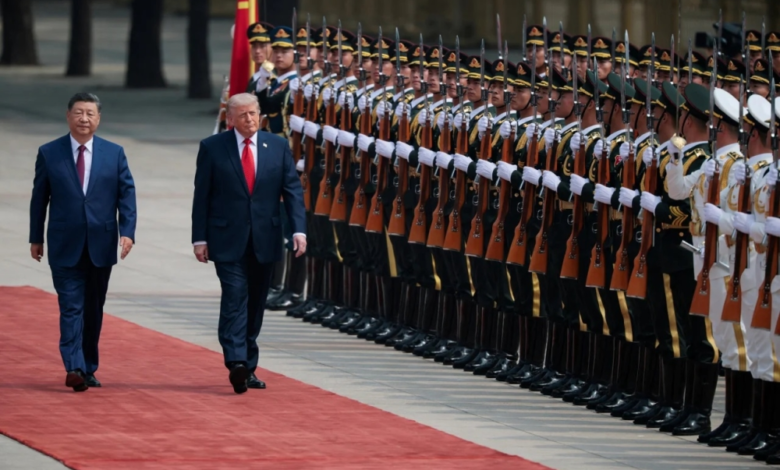
وجه الرئيس الأمريكي دونالد ترامب تحذيراً صريحاً ومباشراً لتايوان من اتخاذ أي خطوات أحادية الجانب باتجاه إعلان الاستقلال الرسمي، وذلك في خطوة تعكس حساسية التوازنات الدبلوماسية بين واشنطن وبكين. جاءت هذه التصريحات خلال مقابلة تلفزيونية حصرية مع شبكة ‘فوكس نيوز’ الأمريكية، والتي تم تسجيلها قبيل مغادرته العاصمة الصينية بكين، إثر زيارة رسمية استمرت ليومين وشهدت مباحثات مكثفة ومهمة مع القيادة الصينية.
مباحثات بكين وتحذيرات شي جين بينغ
طغى على الزيارة الأمريكية للصين ملف تايوان الشائك، حيث وجه الرئيس الصيني شي جين بينغ تحذيراً شديد اللهجة، مؤكداً أن أي إساءة في التعامل مع هذه القضية الحساسة قد تدفع البلدين إلى ‘صراع’ مباشر ومواجهة لا تحمد عقباها. وتعتبر بكين تايوان جزءاً لا يتجزأ من أراضيها، وتؤكد مراراً وتكراراً على حقها في استعادتها، حتى لو تطلب الأمر استخدام القوة العسكرية.
موقف ترامب من الاستقلال ومبيعات الأسلحة
وفي سياق المقابلة مع ‘فوكس نيوز’ التي بُثت يوم الجمعة، أوضح ترامب موقفه قائلاً: ‘لا أريد أن يعلن أحد الاستقلال’. وأضاف في رسالة واضحة للقيادة التايوانية: ‘لا نريد أن يقول أحد: دعونا نعلن الاستقلال لأن الولايات المتحدة تدعمنا’. وتطرق الرئيس الأمريكي أيضاً إلى ملف التعاون العسكري، مشيراً إلى أنه لم يتخذ قراراً نهائياً بعد بشأن الموافقة على صفقات بيع الأسلحة الجديدة للجزيرة، مما يعكس رغبة واشنطن في عدم استفزاز بكين في الوقت الراهن.
السياق التاريخي للعلاقات الأمريكية التايوانية الصينية
لفهم أبعاد هذا التصريح، يجب العودة إلى السياق التاريخي المعقد. تتبنى الولايات المتحدة منذ عام 1979 ما يُعرف بـ ‘سياسة الصين الواحدة’، حيث تعترف دبلوماسياً بحكومة بكين باعتبارها الحكومة الشرعية الوحيدة للصين، وتقطع علاقاتها الدبلوماسية الرسمية مع تايبيه. ومع ذلك، تلتزم واشنطن بموجب ‘قانون علاقات تايوان’ بتزويد الجزيرة بالأسلحة ذات الطابع الدفاعي لحماية نفسها، مع الحفاظ على سياسة ‘الغموض الاستراتيجي’ حول ما إذا كانت واشنطن ستتدخل عسكرياً لحماية تايوان في حال تعرضها لهجوم صيني.
التأثيرات الإقليمية والدولية المتوقعة
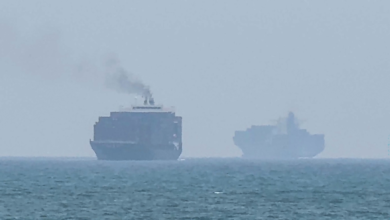
تحمل هذه التطورات أهمية بالغة على الصعيدين الإقليمي والدولي. إقليمياً، تساهم تصريحات ترامب في تهدئة المخاوف الصينية مؤقتاً، مما قد ينعكس على استقرار الملاحة والأمن في مضيق تايوان وبحر الصين الجنوبي. أما دولياً، فإن هذا الموقف يبرز التحدي الذي تواجهه الإدارة الأمريكية في الموازنة بين الحفاظ على علاقات اقتصادية وتجارية مستقرة مع المارد الصيني، وبين التزاماتها السياسية تجاه حلفائها في منطقة المحيطين الهندي والهادئ. إن أي تصعيد في هذا الملف لن يقتصر تأثيره على الجانب العسكري فحسب، بل سيمتد ليضرب الاقتصاد العالمي، خاصة وأن تايوان تُعد المُصنّع الأول عالمياً للرقائق الإلكترونية وأشباه الموصلات.