
A proactive plan to ensure the safety of pilgrims
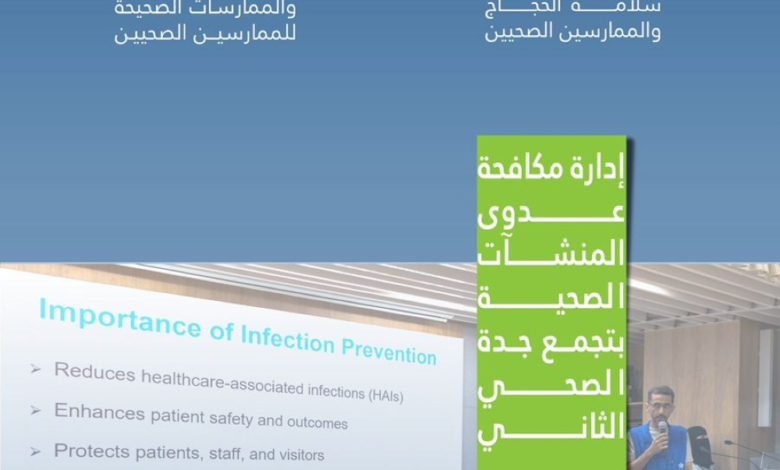
In a proactive move reflecting the magnitude of its responsibility, the Second Jeddah Health Cluster launched its early preparations for the 1447 AH Hajj season, aiming to ensure the safety and well-being of pilgrims. These preparations center around a comprehensive plan to maximize the readiness of medical and healthcare personnel. A specialized workshop on "Fundamentals of Infection Control" was organized to guarantee the application of the highest health and safety standards during this season, which witnesses the largest annual gathering of people in the world.
The training workshop targeted healthcare practitioners working within the cluster, aiming to refine their knowledge and develop their field skills in applying best practices for infectious disease prevention. The workshop's scientific focus was on mechanisms for professionally managing potential health risks in large gatherings, with a strong emphasis on the paramount importance of strict adherence to infection control protocols in all healthcare facilities, including emergency rooms, inpatient wards, and outpatient clinics.
Historical context and the importance of managing healthy crowds
These efforts are part of Saudi Arabia's decades-long, accumulated experience in managing the health aspects of the Hajj season. The Kingdom annually faces unique logistical and health challenges as it receives millions of pilgrims from around the world, bringing with them diverse health and environmental backgrounds. This long experience has led to the development of a comprehensive preventive and curative healthcare system that has become a global model for mass gathering health management. The annual plans draw on lessons learned from previous Hajj seasons and global health developments, such as managing past epidemics like Middle East Respiratory Syndrome (MERS-CoV) and the COVID-19 pandemic, thus enhancing the system's ability to respond quickly and effectively to any health emergency.
The local and international impact of successful health plans
The impact of these plans extends beyond the local level to encompass regional and international dimensions. Locally, these measures ensure the protection of pilgrims, citizens, and residents in major Hajj cities such as Jeddah, a key gateway for pilgrims. Internationally, the Kingdom's success in securing a safe and healthy Hajj season represents a vital contribution to global health security. Preventing any outbreaks of infection among pilgrims means protecting the more than 180 countries to which these pilgrims return after performing their rituals. The Saudi Ministry of Health works closely with the World Health Organization and other international health organizations to exchange information and implement the best internationally recognized standards.
Integration with Saudi Vision 2030
The Jeddah Health Cluster II affirmed that these intensive training initiatives embody effective integration within the health cluster system to serve pilgrims. It explained that improving the quality of care provided directly enhances the safety of patients, practitioners, and visitors. These proactive plans are fully aligned with the modern Saudi healthcare model, which prioritizes the principle of "human health and safety first," and contribute to achieving the objectives of the Health Sector Transformation Program, a key pillar of Saudi Vision 2030, by providing integrated and sustainable care across all entry points and locations.