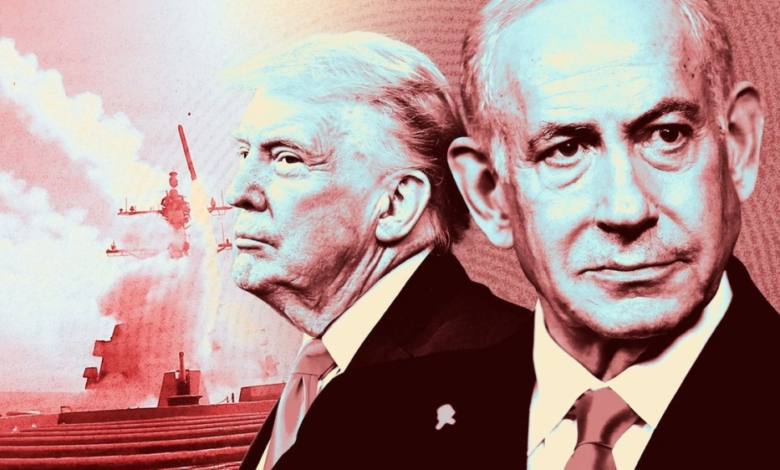

في تطور لافت يعكس توتراً غير مسبوق في العلاقات، شن الرئيس الأمريكي دونالد ترامب هجوماً حاداً على رئيس الوزراء الإسرائيلي بنيامين نتنياهو، واصفاً إياه بـ ‘المجنون’ خلال مكالمة هاتفية عاصفة بسبب التصعيد العسكري الإسرائيلي في لبنان. هذا الخلاف، الذي كشف تفاصيله موقع ‘أكسيوس’ الإخباري، يسلط الضوء على تباين عميق في وجهات النظر بين حليفين كانا يُعتبران من الأقرب تاريخياً، ويثير تساؤلات حول مستقبل التنسيق بينهما في ظل الأوضاع المتفجرة في الشرق الأوسط.
خلفيات التوتر: من التحالف الوثيق إلى الخلاف الحاد
تأتي هذه المواجهة الكلامية كمفاجأة للكثير من المراقبين، بالنظر إلى العلاقة الوثيقة التي جمعت بين ترامب ونتنياهو خلال فترة رئاسة ترامب الأولى. فقد شهدت تلك الفترة دعماً أمريكياً غير محدود لإسرائيل، تمثل في قرارات تاريخية مثل نقل السفارة الأمريكية إلى القدس، والاعتراف بالسيادة الإسرائيلية على مرتفعات الجولان، ورعاية ‘اتفاقيات أبراهام’ التي طبعت العلاقات بين إسرائيل وعدد من الدول العربية. هذا السجل الحافل من التعاون يجعل من الخلاف الحالي نقطة تحول محتملة، ويشير إلى أن المخاطر الاستراتيجية للتصعيد الحالي في لبنان تفوق اعتبارات التحالفات الشخصية السابقة.
تفاصيل المكالمة العاصفة التي هزت العلاقات
وفقاً لموقع ‘أكسيوس’، نقلاً عن مسؤولين أمريكيين ومصدر مطلع، كانت المكالمة الهاتفية التي جرت يوم الاثنين مليئة بالشتائم، حيث عبر ترامب عن غضبه الشديد من خطط نتنياهو لتوسيع العمليات العسكرية في لبنان. وأفادت المصادر بأن ترامب عارض بشدة توجيه ضربات إسرائيلية إلى العاصمة بيروت، محذراً من أن مثل هذه الخطوة ستؤدي إلى زيادة عزلة إسرائيل على الساحة الدولية. وأبدى الرئيس الأمريكي قلقه من أن الرد الإسرائيلي على هجمات حزب الله كان ‘غير متناسب’، معرباً عن خشيته من سقوط أعداد كبيرة من الضحايا المدنيين في لبنان، وهو ما قد يجر المنطقة بأكملها إلى حرب شاملة.
لماذا ترامب يهاجم نتنياهو؟ مخاوف من حرب إقليمية
يعود السبب الرئيسي الذي يدفع ترامب لمهاجمة نتنياهو بهذه الحدة إلى الخوف من أن يؤدي التصعيد في لبنان إلى إشعال حرب إقليمية واسعة النطاق. فإدارة ترامب تسعى جاهدة لتجنب الانزلاق إلى صراع جديد في الشرق الأوسط، خاصة وأن أي حرب شاملة بين إسرائيل وحزب الله لن تبقى محصورة بينهما، بل من المرجح أن تتدخل فيها قوى إقليمية أخرى، وعلى رأسها إيران، الداعم الرئيسي للحزب. كما أن غضب ترامب، بحسب التقرير، نابع من خشيته أن يؤدي هذا التصعيد إلى إفشال المفاوضات الحساسة الجارية مع إيران بشأن برنامجها النووي، وهو ملف يحظى بأولوية قصوى لدى الإدارة الأمريكية.
نتيجة الضغوط: تعهدات متبادلة لوقف إطلاق النار
يبدو أن الضغط الأمريكي قد أتى بثماره في نهاية المطاف. ففي منشور لاحق على منصته ‘تروث سوشال’، أعلن الرئيس ترامب أن نتنياهو تعهد خلال المكالمة ‘المثمرة للغاية’ بعدم إرسال قوات إلى بيروت. وكتب ترامب: ‘لن تتوجه أي قوات إلى بيروت، وأي قوات في طريقها عادت أدراجها بالفعل’. وفي خطوة لافتة، كشف ترامب أيضاً عن إجرائه ‘مكالمة جيدة جداً’ مع حزب الله عبر وسطاء، وأن الحزب وافق على وقف جميع عمليات إطلاق النار. وأضاف مؤكداً: ‘إسرائيل لن تهاجمهم، وهم لن يهاجموا إسرائيل’، في إشارة إلى نجاح الجهود الدبلوماسية في نزع فتيل الأزمة مؤقتاً.