
تصاعد التوترات: ترامب يوجه رسائل حاسمة لطهران بعد قصف جسر بي 1
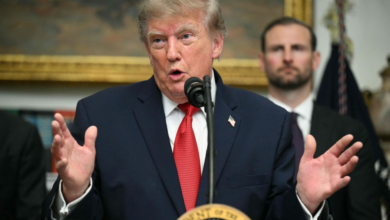
في تطور لافت يعكس تصاعد حدة التوترات في منطقة الشرق الأوسط، أشاد الرئيس الأمريكي دونالد ترامب بالعملية العسكرية التي استهدفت قصف جسر “بي 1” (B1) الاستراتيجي، والذي يعد شرياناً حيوياً يربط بين العاصمة الإيرانية طهران ومدينة كرج الواقعة إلى الغرب منها. وقد جدد ترامب دعوته الصريحة للقيادة الإيرانية بضرورة إبرام اتفاق سياسي شامل “قبل فوات الأوان”، محذراً من أن الخيارات العسكرية والضربات القادمة قد تكون أشد قسوة.
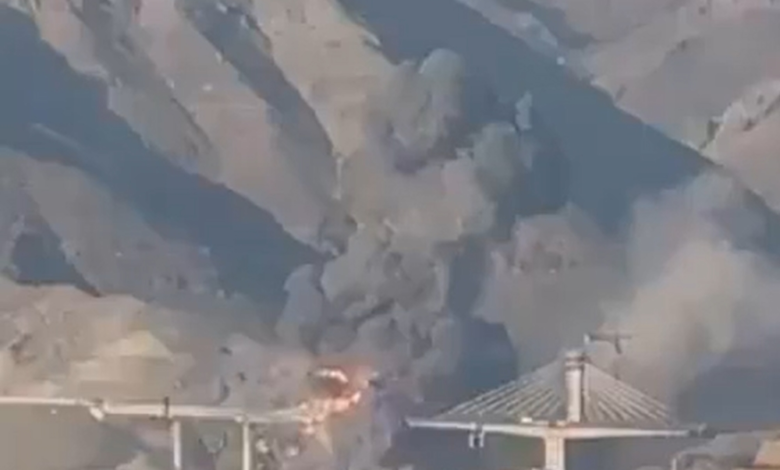
وعبر منصته الاجتماعية “تروث سوشيال”، شارك ترامب مقطعاً مصوراً يوثق لحظة انهيار قسم من الجسر المعلق وسط سحابة كثيفة من الدخان، وعلق عليه قائلاً: “أكبر جسر في إيران ينهار ولن يُستخدم مجدداً أبداً”. وأضاف في رسالة تحمل طابع التهديد المباشر: “حان الوقت لإيران لعقد اتفاق قبل أن يفوت الأوان ولا يبقى شيء مما يمكن أن يصبح يوماً ما بلداً عظيماً”، دون أن يخوض في تفاصيل الشروط أو البنود المقترحة لهذا الاتفاق.
تفاصيل الهجوم وانفجارات طهران
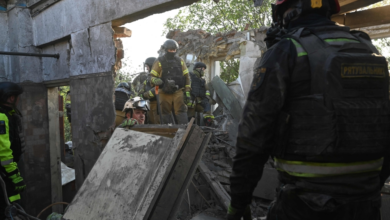
جاءت تصريحات ترامب عقب إعلان التلفزيون الرسمي الإيراني عن تعرض جسر “بي 1” لضربات وُصفت بأنها إسرائيلية-أمريكية مشتركة، نُفذت على مرحلتين يوم الخميس. وقد أسفرت هذه العملية العسكرية عن مقتل شخصين على الأقل، وتدمير أجزاء واسعة من البنية التحتية للجسر. وتزامن ذلك مع دوي انفجارات قوية هزت عدة مناطق في العاصمة طهران، مما أدى إلى اهتزاز المباني السكنية والتجارية، وإثارة حالة من الهلع بين السكان.
ورغم عدم اتضاح الصورة الكاملة لجميع الأهداف التي تم قصفها على الفور، إلا أن تقارير إعلامية محلية ودولية أكدت أن سكان وسط المدينة شعروا بقوة الانفجارات، في حين سُجلت حوادث مشابهة في الأطراف الغربية والشرقية لطهران، مما يشير إلى اتساع نطاق العملية العسكرية.
السياق التاريخي للعلاقات الأمريكية الإيرانية
لفهم أبعاد هذه التهديدات، يجب العودة إلى السياق التاريخي القريب للعلاقات بين واشنطن وطهران. فمنذ عام 2018، اتخذ ترامب قراراً أحادياً بالانسحاب من الاتفاق النووي الإيراني (خطة العمل الشاملة المشتركة) المبرم عام 2015. وعقب ذلك، أطلقت إدارته حملة “الضغوط القصوى” التي تضمنت فرض عقوبات اقتصادية غير مسبوقة استهدفت قطاعات النفط، والمصارف، والصناعات الحيوية الإيرانية، بهدف إجبار طهران على التفاوض على اتفاق جديد يشمل برنامجها الصاروخي الباليستي ونفوذها الإقليمي، وهو ما يفسر إصراره الحالي على ضرورة إبرام اتفاق جديد.
الأهمية الاستراتيجية والتأثير المتوقع
التأثير المحلي والإقليمي
يحمل استهداف البنية التحتية المدنية والعسكرية في إيران، مثل جسر يربط بين طهران وكرج، دلالات خطيرة. فمدينة كرج تعتبر مركزاً صناعياً وسكنياً رئيسياً، وقطع طرق الإمداد والتواصل مع العاصمة يشل الحركة الاقتصادية واللوجستية الداخلية. إقليمياً، تزيد هذه الضربات من احتمالية اندلاع مواجهة شاملة في الشرق الأوسط، خاصة مع ترابط الساحات وتواجد الفصائل المسلحة الحليفة لإيران في دول الجوار، مما يضع المنطقة بأسرها على صفيح ساخن.
التداعيات الدولية والاقتصادية
على الصعيد الدولي، تثير هذه التطورات قلقاً بالغاً في أسواق الطاقة العالمية. فأي تهديد مباشر لاستقرار إيران أو الممرات المائية القريبة منها، مثل مضيق هرمز، ينعكس فوراً على أسعار النفط العالمية، مما يهدد الاقتصاد العالمي بموجات تضخم جديدة. كما أن هذه الأحداث تضع المجتمع الدولي أمام تحديات دبلوماسية معقدة لمحاولة احتواء الموقف ومنع انزلاق الأمور نحو حرب إقليمية واسعة النطاق قد تؤثر على الأمن والسلم الدوليين.