
مقدمة: تحديات السلام في اليمن وسط الأزمات العالمية
يواجه المجتمع الدولي والأمم المتحدة اختباراً معقداً في اليمن، حيث تتشابك الخيوط السياسية والعسكرية والإنسانية في ظل زحام الأزمات العالمية المتلاحقة. ومع تصدر صراعات أخرى مثل الحرب في غزة والأزمة الأوكرانية للمشهد الدولي، تجد الجهود الأممية الرامية لإحلال السلام في اليمن نفسها أمام تحدٍ غير مسبوق لإبقاء الأزمة اليمنية ضمن أولويات الأجندة العالمية، وهو ما يضع المبعوث الأممي أمام مهمة شاقة لإنقاذ مسار السلام.
السياق التاريخي والجهود الأممية السابقة
تعود جذور الأزمة اليمنية الحالية إلى أواخر عام 2014 عندما سيطرت جماعة الحوثي على العاصمة صنعاء، مما أدى إلى تدخل التحالف العربي بقيادة المملكة العربية السعودية في عام 2015 لدعم الحكومة المعترف بها دولياً. منذ ذلك الحين، قادت الأمم المتحدة جولات متعددة من المفاوضات، أبرزها اتفاق ستوكهولم عام 2018، وصولاً إلى الهدنة الأممية في أبريل 2022. ورغم انقضاء مدة تلك الهدنة رسمياً في أكتوبر من نفس العام، إلا أن حالة من خفض التصعيد النسبي لا تزال سائدة، مما يمنح الأمم المتحدة مساحة ضيقة لمحاولة البناء عليها والوصول إلى تسوية سياسية شاملة تنهي سنوات من الصراع الدامي.
التصعيد الإقليمي وتعقيدات المشهد السياسي
تكمن صعوبة الاختبار الأممي الحالي في التطورات الإقليمية الأخيرة، وتحديداً التصعيد في منطقة البحر الأحمر. فقد أدت الهجمات التي يشنها الحوثيون على السفن التجارية، والتي يربطونها بالحرب الدائرة في قطاع غزة، إلى تدخلات عسكرية أمريكية وبريطانية. هذا التصعيد الإقليمي ألقى بظلاله الثقيلة على خارطة الطريق التي كانت الأمم المتحدة تأمل في إعلانها بناءً على التفاهمات السابقة، مما جعل مهمة فصل مسار السلام اليمني عن التوترات الإقليمية والدولية أمراً في غاية التعقيد ويحتاج إلى دبلوماسية حذرة.
التداعيات الإنسانية وتراجع التمويل الدولي
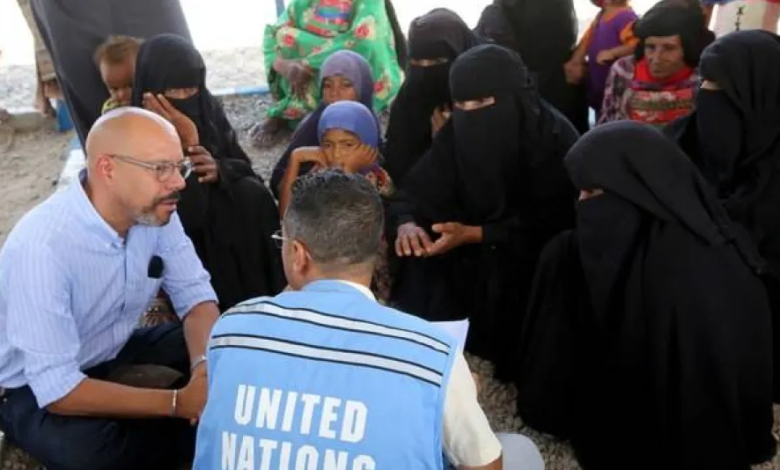
على الصعيد المحلي والإنساني، لا يزال اليمن يعيش واحدة من أسوأ الأزمات الإنسانية في العالم وفقاً لتصنيفات وتقارير الأمم المتحدة. يعتمد أكثر من ثلثي السكان على المساعدات الإنسانية للبقاء على قيد الحياة، في ظل انهيار شبه كامل للخدمات الأساسية، وتدهور حاد في قيمة العملة المحلية، وانقسام مؤسسات الدولة. وتتفاقم هذه المأساة مع تراجع التمويل الدولي لخطط الاستجابة الإنسانية في اليمن، حيث يوجه المانحون الدوليون مواردهم نحو أزمات عالمية أخرى طارئة، مما يضع وكالات الإغاثة الأممية أمام خيارات صعبة وتقليص مستمر للمساعدات الغذائية والطبية الضرورية.
الأهمية الدولية وضرورة الحل الشامل
دولياً، لم يعد الصراع في اليمن شأناً محلياً أو إقليمياً فحسب، بل أثبتت الأحداث الأخيرة أن استقرار اليمن هو ضرورة حتمية لأمن الملاحة الدولية والتجارة العالمية. إن نجاح الأمم المتحدة في هذا الاختبار المعقد يتطلب دعماً دولياً موحداً، وتجاوزاً لحالة الاستقطاب العالمي. يتوجب على المجتمع الدولي إدراك أن تجاهل الأزمة اليمنية أو تجميدها لن يؤدي إلا إلى انفجارات أوسع مستقبلاً. لذا، يبقى الحل متمثلاً في عملية سياسية يمنية-يمنية شاملة تحت رعاية أممية، تعالج الجذور العميقة للصراع وتؤسس لسلام مستدام يلبي تطلعات الشعب اليمني ويحفظ الأمن الإقليمي والدولي.