
Introduction to current tensions in the region
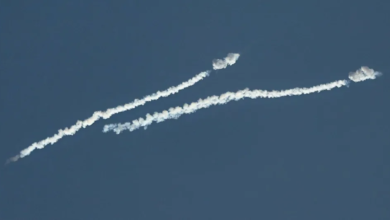
Amidst rapidly evolving geopolitical developments, the international community's attention is focused on the Middle East, where the United Nations and the Security Council are examining the repercussions of Iran's continued escalation and its targeting of the security of the Arabian Gulf. This escalation poses a direct threat to the stability of one of the world's most strategically important regions, necessitating urgent international intervention to guarantee freedom of navigation and protect global energy supplies.
General context and historical background of the tensions
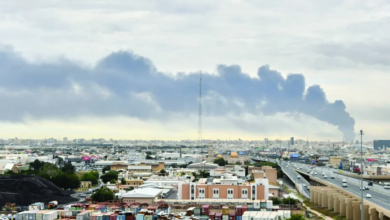
Tensions in the Arabian Gulf region are not a recent phenomenon, but rather the culmination of a complex series of historical events. Over the past years, the waters of the Gulf, particularly the Strait of Hormuz through which approximately one-fifth of the world's oil production passes, have witnessed numerous incidents, including the seizure and targeting of commercial oil tankers. Attacks on vital oil facilities in the region, such as the Aramco attacks in 2019, marked a significant turning point, prompting the international community to reassess security risks. Iran's strategy often relies on projecting naval power and utilizing regional proxies to exert pressure on Western powers and neighboring states, thus perpetuating a state of constant tension and anticipation in the region.
The role of the United Nations and diplomatic efforts
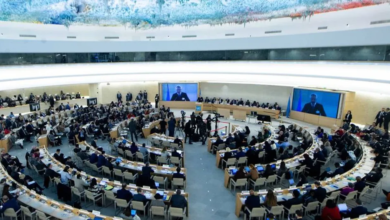
Faced with this complex situation, the United Nations is intensifying its diplomatic efforts to contain the situation and prevent the region from sliding into a full-blown military confrontation. Security Council committees are holding ongoing consultations to discuss UN reports concerning violations of arms embargo resolutions and threats to international peace and security. In its successive statements, the international organization emphasizes the need to respect international law of the sea and calls on all parties to exercise maximum restraint and resort to dialogue as the only way to resolve disputes, stressing that the security of the Gulf is an integral part of global security.
The importance of the event and its expected impact (locally, regionally, and internationally)
The Iranian escalation in the Gulf has far-reaching implications that extend beyond the region's geographical boundaries, and these effects can be divided into several levels:
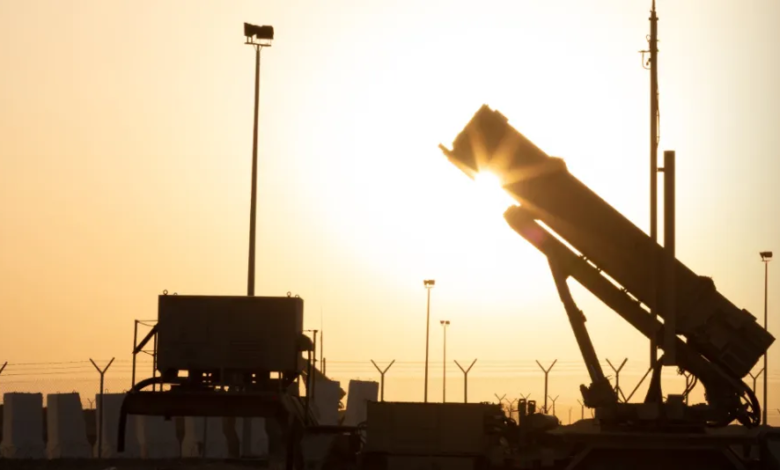
- Local and regional impact: The escalation poses a direct threat to the national security of the Gulf Cooperation Council (GCC) states, prompting them to bolster their defense budgets and develop their security systems. The tension also negatively affects the regional investment climate and hinders the ambitious economic development plans adopted by the region's countries.
- International and Economic Impact: The Arabian Gulf is considered the world's main energy artery. Any threat to shipping in the Strait of Hormuz or the Bab el-Mandeb Strait immediately impacts global oil and gas prices, threatening a global economy already grappling with inflationary crises. Furthermore, this escalation prompts major powers, such as the United States and European countries, to bolster their military and naval presence in the region to protect their strategic interests and ensure the flow of international trade.
Summary and the future of stability in the Gulf
In conclusion, the course of events in the Gulf region remains contingent on the success of diplomatic efforts led by the United Nations and regional and international powers. Continued Iranian escalation serves no one's interests and only further complicates the security and political landscape. Therefore, reaching comprehensive understandings that address the security concerns of all countries in the region remains the best option for ensuring the stability of the Arabian Gulf and safeguarding international peace and security in the future.