
تحذير أممي من الخطاب التحريضي في الشرق الأوسط
ندد مفوض الأمم المتحدة السامي لحقوق الإنسان، فولكر تورك، بشدة بـ”الخطاب التحريضي” المتصاعد الذي يسود النزاع الدائر في منطقة الشرق الأوسط. وشدد تورك في بيان رسمي صدر يوم الثلاثاء على أن استهداف البنى التحتية المدنية يشكل “جريمة حرب” واضحة المعالم. وأوضح أنه بموجب أحكام القانون الإنساني الدولي، يُعد الهجوم المتعمد على المدنيين والأعيان المدنية انتهاكاً صارخاً يستوجب المساءلة، مؤكداً على ضرورة تقديم كل شخص مسؤول عن ارتكاب جرائم دولية إلى العدالة عبر محاكم مختصة تضمن عدم الإفلات من العقاب.
السياق العام والقانون الإنساني الدولي
تستند تصريحات الأمم المتحدة إلى اتفاقيات جنيف والبروتوكولات الإضافية الملحقة بها، والتي توفر حماية خاصة للأعيان التي لا غنى عنها لبقاء السكان المدنيين على قيد الحياة. تاريخياً، عانت منطقة الشرق الأوسط من ويلات النزاعات المسلحة التي أدت إلى تدمير واسع النطاق لشبكات المياه، والكهرباء، والمستشفيات، والمدارس. هذا التدمير الممنهج لم يقتصر تأثيره على الخسائر البشرية المباشرة، بل امتد ليخلق أزمات إنسانية طويلة الأمد، مما يجعل التذكير الأممي بالقوانين الدولية خطوة ضرورية في ظل التوترات الحالية.
تهديدات باستهداف الجسور ومحطات الطاقة
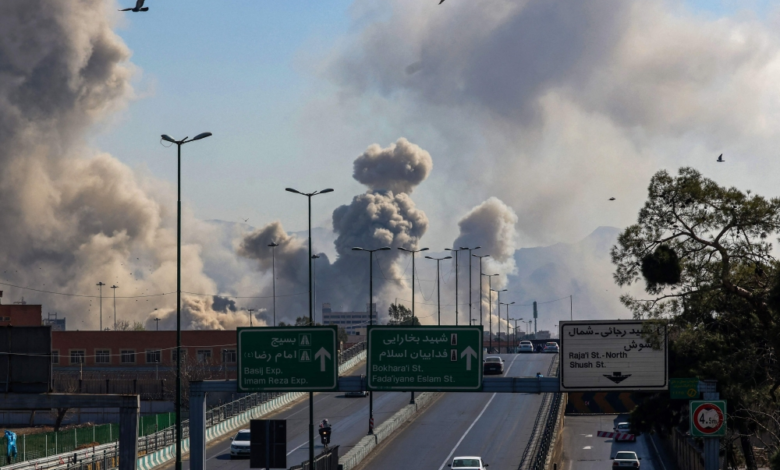
تأتي تصريحات تورك في توقيت بالغ الحساسية، حيث تتزامن مع تصعيد ملحوظ في التصريحات السياسية والعسكرية. فقد صعد الرئيس الأمريكي دونالد ترامب من خطابه الموجه ضد إيران، متوعداً بـ”تدمير كامل” للبنية التحتية الأساسية للبلاد، مع التركيز بشكل خاص على الجسور ومحطات الطاقة، وذلك في حال لم توافق طهران على اتفاق بحلول المهلة المحددة. وفي سياق متصل، وقبل ساعات من انقضاء هذه المهلة، أعلن جيش الاحتلال الإسرائيلي عن شن موجة من الضربات العسكرية التي استهدفت “مواقع بنية تحتية” في مناطق مختلفة من الأراضي الإيرانية، مما ينذر بتوسع رقعة الصراع.
التأثير المتوقع والتداعيات الإقليمية والدولية
يحمل هذا التصعيد تداعيات خطيرة على مستويات متعددة. محلياً وإقليمياً، سيؤدي تدمير محطات الطاقة والجسور إلى شلل كامل في الحياة اليومية للملايين، مما يعيق وصول الإمدادات الطبية والغذائية، ويفاقم من موجات النزوح الداخلي والخارجي. دولياً، يمثل استهداف البنى التحتية في دولة غنية بموارد الطاقة مثل إيران تهديداً مباشراً لأمن الطاقة العالمي، مما قد يؤدي إلى اضطرابات حادة في أسواق النفط العالمية، فضلاً عن تقويض الجهود الدبلوماسية الدولية الرامية لإرساء الاستقرار.
دعوات عاجلة لاحتواء التصعيد
أعرب تورك عن اشمئزازه من التهديدات الأخيرة التي تلوح بالقضاء على حضارات بأكملها، محذراً من أن تنفيذ مثل هذه التهديدات يرقى إلى مصاف أخطر الجرائم الدولية. وشدد المفوض السامي على أن التهديدات التي تبث الخوف والرعب في صفوف المدنيين هي ممارسات غير مقبولة ويجب أن تتوقف فوراً. وفي ختام بيانه، وجه نداءً عاجلاً إلى المجتمع الدولي بأسره لاتخاذ خطوات ملموسة وسريعة لاحتواء التصعيد العسكري، والعمل الجاد على حماية أرواح جميع المدنيين وضمان احترام القوانين والمواثيق الدولية.