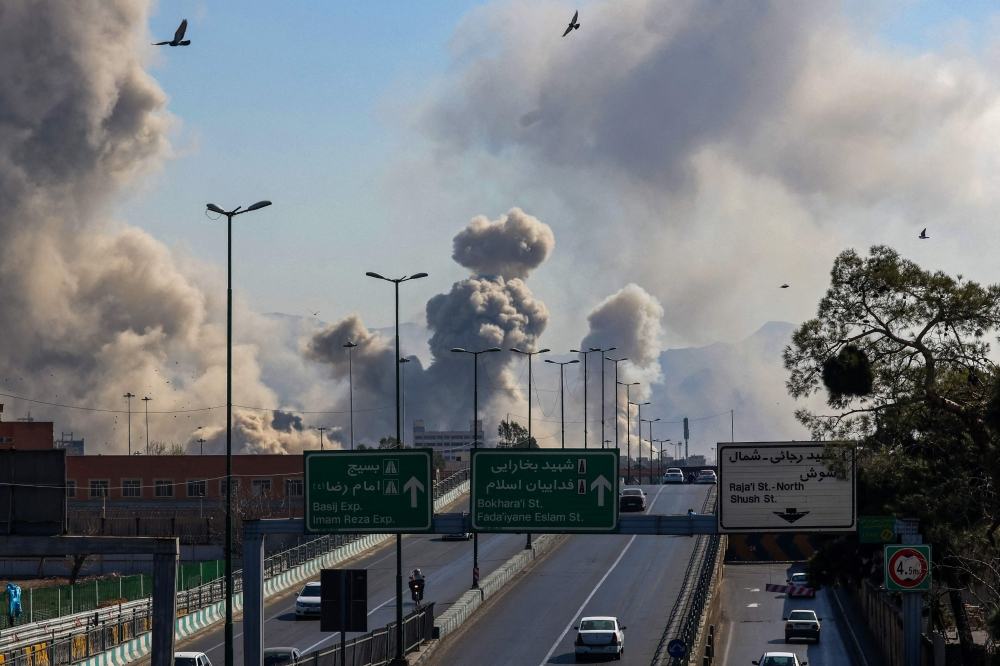
United Nations: The war in the Middle East poses a serious threat to Africa

The African Union, the African Development Bank and the program United Nations The UNDP and the UN Economic Commission for Africa report that the Middle East accounts for 15.8% of Africa’s imports and 10.9% of its exports.
The report’s authors explained that “the trade shock resulting from the conflict could quickly escalate into a cost-of-living crisis on the continent,” due to rising fuel and food prices, increased shipping and insurance costs, pressure on exchange rates, and the impact on national budgets.
GDP growth
Growth rates in most African countries remain slower than before the COVID-19 pandemic, and “overall, Africa’s GDP growth is projected to decline by 0.2 percentage points in 2026 if the conflict lasts more than six months,” the report stated. It further
noted that “the longer the conflict lasts and the more severe the disruptions to energy and fertilizer supplies, the greater the risk of a significant slowdown in growth” across Africa, with varying impacts from country to country.
LNG supply problems from the Gulf are affecting fertilizer production, increasing costs and reducing availability during the growing season, which extends until May.
Cost of external debt
The report cited recent data from the African Development Bank indicating that the currencies of 29 African countries have depreciated, increasing the cost of servicing external debt, raising import prices, and depleting foreign exchange reserves.
The report's authors suggested that some countries might benefit in the short term from the conflict through higher commodity prices, citing oil-producing Nigeria and liquefied natural gas (LNG) producers Mozambique as examples.
Other countries stand to gain by rerouting trade or diverting shipping traffic away from the route around Africa via the Cape of Good Hope, which benefits ports in countries like Mozambique, South Africa, Namibia, and Mauritius.