
كشف رسمي عن حمولة نووية حساسة
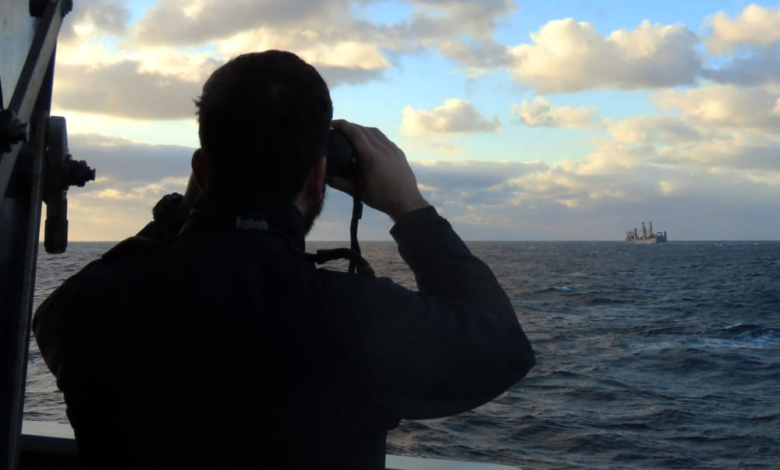
كشف تقرير حكومي إسباني رسمي عن مفاجأة مدوية تتعلق بسفينة الشحن الروسية “أورسا ميجور”، التي غرقت في ظروف غامضة قبالة السواحل الإسبانية في 23 ديسمبر 2024. وفقًا للوثيقة، التي صدرت ردًا على استجواب برلماني، كانت السفينة التابعة لوزارة الدفاع الروسية تحمل على متنها “مكونات لمفاعلين نوويين”، وهي تقنية مشابهة لتلك المستخدمة في تشغيل الغواصات النووية. هذا الاعتراف، الذي جاء بعد أن أقر قبطان السفينة بطبيعة الشحنة، يفتح الباب أمام تساؤلات واسعة حول وجهة السفينة الحقيقية والملابسات التي أدت إلى غرقها المفاجئ في مياه البحر الأبيض المتوسط.
السياق العام والتوترات الجيوسياسية
يأتي غرق سفينة “أورسا ميجور” في وقت كانت فيه العلاقات الدولية تشهد توترات متصاعدة، خاصة بين روسيا والدول الغربية. في تلك الفترة، كانت العقوبات الدولية مفروضة بشكل صارم على دول مثل كوريا الشمالية لمنعها من تطوير برامجها النووية. تحظر قرارات مجلس الأمن التابع للأمم المتحدة بشكل قاطع نقل أي مواد أو تقنيات يمكن أن تساهم في البرنامج النووي أو الصاروخي لبيونغ يانغ. انطلقت السفينة رسميًا من سان بطرسبرغ في رحلة طويلة معلنة وجهتها النهائية إلى ميناء فلاديفوستوك في أقصى شرق روسيا، لكن مسارها أثار شكوك وكالات الاستخبارات الغربية.
أهمية الحدث وتأثيره المحتمل
تتجاوز أهمية هذا الحادث مجرد كونه كارثة بحرية. على الصعيد الدولي، أثارت وسائل إعلام عالمية، بينها شبكة “سي إن إن”، فرضية أن السفينة كانت في طريقها سرًا إلى كوريا الشمالية لتسليم هذه المكونات النووية الحساسة، وأن غرقها لم يكن حادثًا عرضيًا، بل ربما كان نتيجة عملية استخباراتية نفذتها قوات غربية لمنع وصول الشحنة. وقد عزز هذا الطرح تصريح الشركة المالكة للسفينة التي وصفت الحادث بأنه “هجوم إرهابي مُوجّه”.
محليًا وإقليميًا، يثير وجود حطام سفينة تحمل مكونات نووية قبالة السواحل الإسبانية مخاوف بيئية خطيرة. على الرغم من أن التقارير لم تؤكد وجود مواد مشعة متسربة، إلا أن مجرد غرق هذه المكونات في قاع البحر المتوسط يمثل قنبلة موقوتة قد تهدد النظام البيئي البحري والمناطق الساحلية في حال حدوث أي تسرب مستقبلي. وحتى الآن، لم تؤكد السلطات الإسبانية أو تنفِ فرضية التدخل الخارجي، مما يترك قضية غرق “أورسا ميجور” وطاقمها المفقود، البالغ عددهم 16 بحارًا، فصلًا غامضًا في تاريخ الصراعات البحرية والاستخباراتية الحديثة.