
خطوة جديدة في مسار العلاقات السعودية الإسبانية
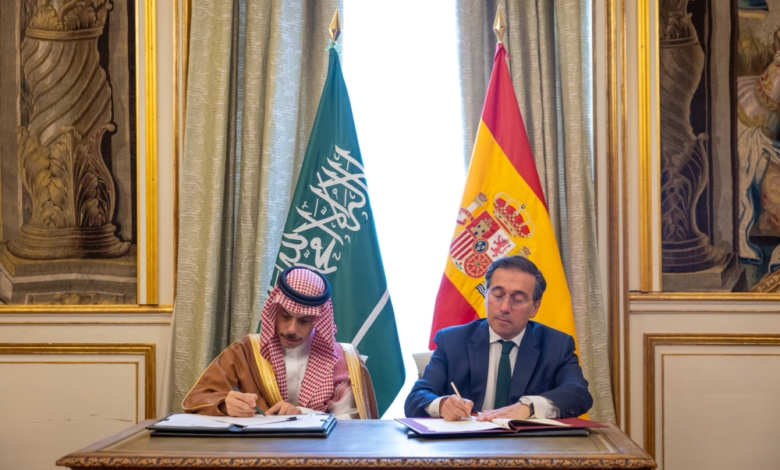
في خطوة دبلوماسية هامة تعكس عمق العلاقات الثنائية، وقعت المملكة العربية السعودية ومملكة إسبانيا اتفاقية للإعفاء المتبادل من متطلبات التأشيرة لحاملي جوازات السفر الدبلوماسية والخاصة والخدمة. جاء ذلك خلال الزيارة الرسمية التي قام بها صاحب السمو الأمير فيصل بن فرحان بن عبدالله، وزير الخارجية السعودي، إلى العاصمة الإسبانية مدريد، حيث التقى بنظيره الإسباني، وزير الشؤون الخارجية والاتحاد الأوروبي والتعاون، خوسيه مانويل ألباريس.
وإلى جانب اتفاقية الإعفاء من التأشيرة، شهد اللقاء التوقيع على مذكرة تفاهم لإنشاء “مجلس الشراكة الاستراتيجية السعودي الإسباني”، وهو ما يمثل نقلة نوعية في مستوى التعاون بين البلدين، ويرتقي به من إطار العلاقات التقليدية إلى شراكة مؤسسية تهدف إلى تعزيز التنسيق في مختلف المجالات ذات الاهتمام المشترك.
سياق تاريخي لعلاقات ممتدة
ترتبط المملكة العربية السعودية ومملكة إسبانيا بعلاقات تاريخية متينة تمتد لعقود، حيث تأسست العلاقات الدبلوماسية الرسمية بين المملكتين في عام 1957. ومنذ ذلك الحين، شهدت العلاقات تطوراً مستمراً على كافة الأصعدة، السياسية والاقتصادية والثقافية، مدعومة بزيارات متبادلة رفيعة المستوى بين قيادتي البلدين، مما ساهم في بناء جسور من الثقة والتفاهم المتبادل.
اقتصادياً، تعد إسبانيا شريكاً تجارياً مهماً للسعودية ضمن دول الاتحاد الأوروبي، كما أن الشركات الإسبانية كان لها دور بارز في تنفيذ عدد من المشاريع الكبرى ضمن رؤية المملكة 2030، وأبرزها مشروع قطار الحرمين السريع الذي يربط بين مكة المكرمة والمدينة المنورة، والذي يعد دليلاً على الثقة في الخبرات الإسبانية في مجال البنية التحتية والنقل.
أهمية الاتفاقية وتأثيرها المتوقع
تكتسب هذه الاتفاقيات أهمية خاصة على عدة مستويات. فعلى الصعيد المحلي، يسهل الإعفاء من التأشيرة حركة المسؤولين والدبلوماسيين بين البلدين، مما يعزز من سرعة وكفاءة التواصل والتنسيق الحكومي. أما تأسيس مجلس الشراكة الاستراتيجية، فيضع إطاراً منظماً لتعميق التعاون في مجالات حيوية مثل الأمن والدفاع، والتجارة والاستثمار، والطاقة المتجددة، والسياحة والثقافة، بما يخدم المصالح المشتركة ويدعم الأهداف التنموية لكلا البلدين.
إقليمياً ودولياً، تأتي هذه الخطوة في وقت يشهد فيه العالم والمنطقة تحديات متزايدة. وقد ناقش الوزيران التطورات الإقليمية والدولية، وأعربا عن قلقهما إزاء التصعيد في المنطقة، مؤكدين على أهمية الالتزام بالقانون الدولي وتثبيت وقف إطلاق النار في غزة، وضرورة تغليب لغة الحوار والحلول الدبلوماسية لتحقيق الأمن والاستقرار. كما جدد الجانبان دعوتهما لضمان أمن وحرية الملاحة في مضيق هرمز، مما يعكس تطابق وجهات النظر حول ضرورة الحفاظ على استقرار الممرات المائية الدولية.