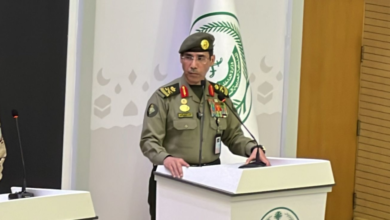
Urgent: Major General Al-Faraj explains the role of artificial intelligence in supporting civil defense plans to protect pilgrims

He noted that it included defining the tasks, responsibilities and expected assumptions, along with a comprehensive test of the readiness and field preparedness of all participating parties, to ensure a rapid response and handling of various emergency situations.
Testing the effectiveness of operational plans
Al-Faraj explained that the relevant authorities conducted numerous field exercises to test the efficiency of operational plans and enhance coordination and integration among various security and service sectors. He noted that the plans included a phased operational approach, starting with basic tasks and progressing to escalation phases in the event of any emergency.
He clarified that the Emergency Operations Coordination Center serves as the central hub for emergency management, comprising representatives and delegates from all government agencies involved in implementing emergency plans. This contributes to unifying efforts, expediting decision-making, and ensuring immediate response to developments on the ground.
He pointed out that the general emergency plan and the General Directorate of Civil Defense plan are primarily based on prevention and strengthening the safety system, aiming to avoid accidents before they occur, from the moment pilgrims arrive at the Kingdom's entry points until their transfer to Medina, Mecca, andthe holy sites.
Civil Defense efforts during Hajj
He added that the Civil Defense's work includes ensuring the readiness of pilgrims' accommodations and the sites they frequent, and verifying that they meet all safety requirements and standards, in coordination with relevant government and service agencies, to guarantee a safe and healthy environment for the pilgrims.
Major General Al-Faraj emphasized that Civil Defense preventive supervision teams are deployed across various locations, in addition to implementing intensive awareness programs to promote a culture of safety and prevention, and to raise awareness about avoiding hazardous areas.
He revealed the use of artificial intelligence technologies, smart sensors, and hazard detectors at various sites to support early detection and rapid assessment of any potential risks, thus enhancing the efficiency of the safety and prevention system during the Hajj season.
Serving the guests of God
On the operational side, the Civil Defense Commander explained that field teams are strategically deployed across various locations to ensure rapid response.
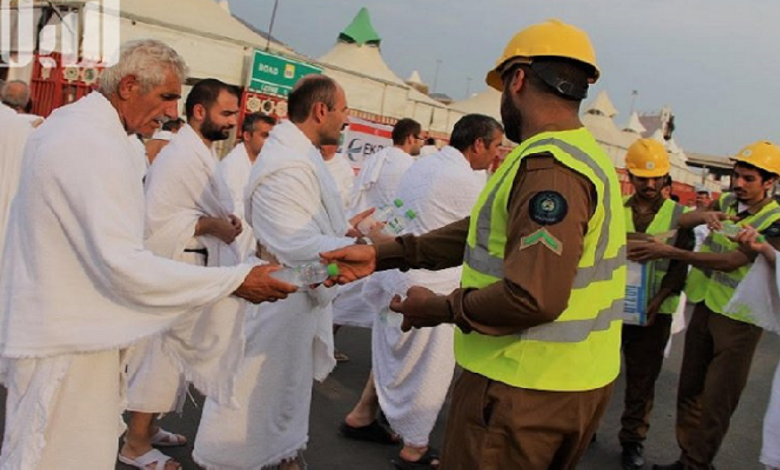
He emphasized that male and female volunteers are working alongside Civil Defense personnel in carrying out humanitarian and service tasks to serve the pilgrims.
Major General Al-Faraj concluded by affirming that all technical, field, and preventative efforts are aimed at enabling pilgrims to perform their rituals with ease and peace of mind, and to return to their countries safe and sound, God willing.