
أدانت القيادة المركزية للجيش الأمريكي بشدة الهجوم الذي شنته إيران باستخدام صواريخ وطائرات مسيّرة استهدفت الكويت، معتبرةً إياه “انتهاكًا صارخًا لوقف إطلاق النار” القائم بين واشنطن وطهران. ويأتي هذا التصعيد الخطير في وقت تتزايد فيه حدة التوترات في منطقة الشرق الأوسط، مما يثير مخاوف من اندلاع مواجهة أوسع نطاقًا.
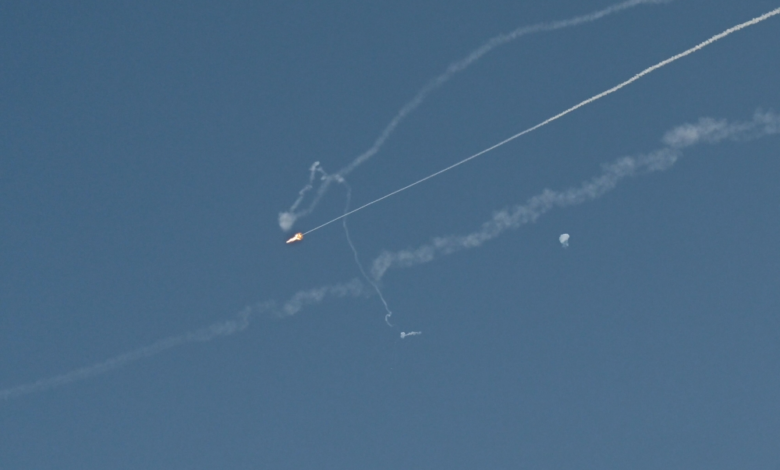
وفي بيان رسمي نُشر على منصة “إكس”، أوضحت القيادة المركزية أن هذا الخرق الإيراني جاء بعد ساعات قليلة فقط من إطلاق القوات الإيرانية خمس طائرات مسيّرة هجومية أحادية الاتجاه، شكلت تهديدًا مباشرًا وواضحًا للملاحة في مضيق هرمز والمناطق القريبة منه. وأكد البيان أن القوات الأمريكية نجحت في اعتراض وتدمير جميع المسيّرات الخمس، كما تمكنت من منع إطلاق طائرة سادسة، مما حال دون وقوع أضرار.
سياق تاريخي من التوتر
لا يمكن فهم هذا الحادث بمعزل عن السياق الأوسع للعلاقات المتوترة بين الولايات المتحدة وإيران، والتي تمتد لعقود. تشهد المنطقة منذ فترة طويلة “حرب ظل” تتبادل فيها الأطراف الضربات عبر وكلاء أو بشكل مباشر. وتستضيف الكويت، كحليف استراتيجي للولايات المتحدة، قواعد عسكرية أمريكية هامة تلعب دورًا محوريًا في عمليات واشنطن في المنطقة، وهو ما يجعلها في قلب أي تصعيد محتمل. وتعتبر الهجمات المتبادلة جزءًا من ديناميكية الردع والردع المضاد التي تحكم العلاقة بين البلدين.
أهمية استراتيجية وتداعيات إقليمية ودولية
يمثل استهداف الكويت انتهاكًا مباشرًا لسيادتها ويهدد بزعزعة استقرار منطقة الخليج بأكملها، التي تعد شريانًا حيويًا لإمدادات الطاقة العالمية. إن أي تهديد للملاحة في مضيق هرمز، الذي يمر عبره جزء كبير من نفط العالم، له تداعيات فورية على الاقتصاد العالمي وأسعار الطاقة. ويثير هذا الهجوم قلق دول مجلس التعاون الخليجي الأخرى، التي تجد نفسها على خط المواجهة في هذا الصراع المعقد.
على الصعيد الدولي، من المتوقع أن يواجه هذا التصعيد إدانة واسعة، مع دعوات لضبط النفس وتجنب الانزلاق نحو حرب شاملة. ويؤكد الحادث على هشاشة الوضع الأمني في الشرق الأوسط والحاجة الماسة إلى حلول دبلوماسية لخفض التوتر. وتبقى المنطقة في حالة تأهب قصوى، حيث إن أي خطأ في الحسابات من أي طرف قد يؤدي إلى عواقب وخيمة تتجاوز حدود المنطقة.