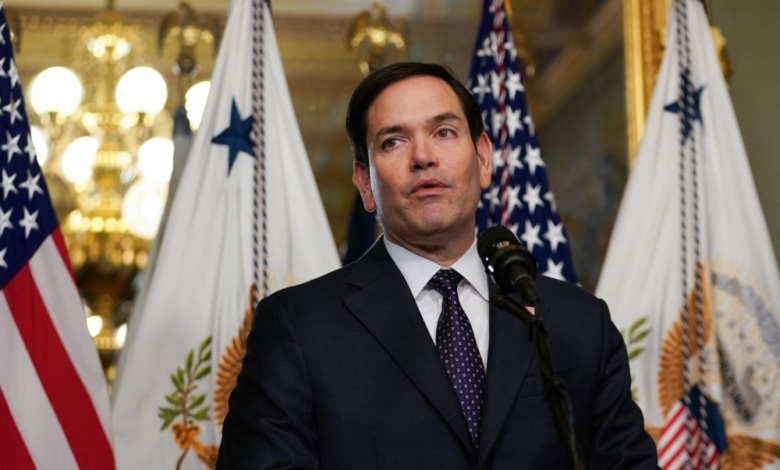

تصريحات روبيو حول الاتفاق مع إيران
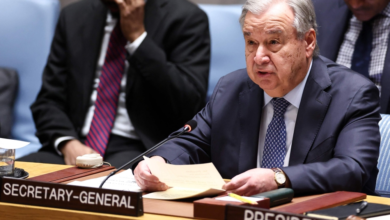
أكد وزير الخارجية الأمريكي، ماركو روبيو، في تصريحات حديثة أن التوصل إلى اتفاق مع إيران لا يزال خياراً مطروحاً وممكناً، على الرغم من التوترات العسكرية والضربات الأمريكية الأخيرة التي استهدفت مواقع إيرانية. وأوضح روبيو أن المفاوضات جارية حالياً حول صياغات محددة في الوثيقة الأولية، مشيراً إلى أن التوصل إلى الصياغة النهائية للاتفاق قد يستغرق بضعة أيام. وشدد في الوقت ذاته على ضرورة ضمان بقاء المضائق البحرية مفتوحة أمام حركة الملاحة الدولية بأي طريقة كانت.
تفاصيل الضربات الأمريكية في جنوب إيران
وفي سياق التصعيد الميداني، أعلنت الولايات المتحدة الأمريكية تنفيذ ضربات عسكرية وصفتها بـ”الدفاعية” في جنوب إيران. من جانبه، أفاد التلفزيون الرسمي الإيراني بأن الهجوم الأمريكي استهدف قوارب تابعة لطهران جنوب جزيرة لارك، مما أسفر عن مقتل أربعة أشخاص. وفي تأكيد لهذه الأحداث، أصدرت القيادة المركزية الأمريكية (سنتكوم) بياناً أوضحت فيه أن قواتها استهدفت مواقع إطلاق صواريخ وزوارق إيرانية كانت تحاول زرع ألغام بحرية. وأكدت القيادة التزامها بالدفاع عن قواتها مع ممارسة أقصى درجات ضبط النفس خلال فترة وقف إطلاق النار مع إيران. وتزامن ذلك مع تقارير إعلامية إيرانية، وتحديداً من وكالة “تسنيم”، تفيد بسماع دوي انفجارات هائلة في عدة مناطق داخل إيران، أبرزها بندر عباس، وسيريك، وجاسك، حيث لا تزال التحقيقات جارية لمعرفة أسبابها ومصادرها بدقة.
السياق التاريخي للمفاوضات والتوترات
لفهم طبيعة هذا الحدث، يجب النظر إلى السياق التاريخي المعقد للعلاقات الأمريكية الإيرانية، وتحديداً فيما يخص الملف النووي. منذ انسحاب الولايات المتحدة من خطة العمل الشاملة المشتركة (الاتفاق النووي) في عام 2018، شهدت المنطقة سلسلة من التوترات المتصاعدة، تخللتها عقوبات اقتصادية قاسية وهجمات متبادلة في مياه الخليج العربي. المفاوضات الحالية تأتي كمحاولة جديدة لاحتواء التصعيد ومنع وصول طهران إلى العتبة النووية، وهو هدف استراتيجي ثابت للإدارات الأمريكية المتعاقبة، مما يفسر إصرار واشنطن على إبقاء باب الدبلوماسية مفتوحاً رغم العمليات العسكرية.
الأهمية الاستراتيجية لمضيق هرمز
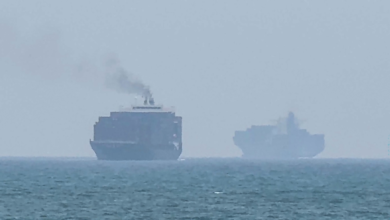
تبرز أهمية تصريحات روبيو حول “إبقاء المضائق مفتوحة” من خلال الأهمية الاستراتيجية البالغة لمضيق هرمز، الذي يعد أحد أهم الممرات المائية في العالم. يمر عبر هذا المضيق نحو خُمس استهلاك العالم من النفط يومياً. أي تهديد بإغلاقه أو تعطيل الملاحة فيه، سواء عبر زرع الألغام أو استهداف الناقلات، ينذر بأزمة طاقة عالمية قد تؤدي إلى ارتفاع غير مسبوق في أسعار النفط، مما يضر بالاقتصاد العالمي بشكل مباشر ويؤثر على سلاسل الإمداد الدولية.
التأثير المتوقع للاتفاق أو التصعيد
على الصعيد الإقليمي والدولي، يحمل التوصل إلى اتفاق مع إيران، أو حتى إدارة الصراع لتجنب حرب شاملة، تأثيرات بالغة الأهمية. إقليمياً، سيساهم خفض التصعيد في تهدئة الساحات المشتعلة في الشرق الأوسط، ويمنح دول المنطقة فرصة لتعزيز استقرارها الأمني والاقتصادي بعيداً عن شبح الحروب. أما دولياً، فإن نجاح الدبلوماسية في كبح جماح التصعيد العسكري سيطمئن الأسواق العالمية، ويعزز من أمن إمدادات الطاقة، ويقلل من احتمالات التدخل العسكري المباشر الذي قد يجر قوى كبرى أخرى إلى صراع واسع النطاق.