
تطورات حاسمة في مسار العلاقات الأمريكية الإيرانية
أكد وزير الخارجية الأمريكي، ماركو روبيو، يوم الإثنين، أن التوصل إلى اتفاق مع إيران لإنهاء حالة الحرب والتصعيد العسكري الأخير قد يتحقق في القريب العاجل، وربما “اليوم”. تأتي هذه التصريحات في ظل توترات غير مسبوقة تشهدها منطقة الشرق الأوسط، مشدداً في الوقت ذاته على الموقف الأمريكي الثابت الداعم لحق إسرائيل المطلق في الدفاع عن نفسها ضد أي هجمات محتملة.
السياق التاريخي للأزمة والمفاوضات النووية
لفهم أبعاد هذه التطورات، يجب العودة إلى السياق العام والخلفية التاريخية للتوترات بين واشنطن وطهران. منذ انسحاب الولايات المتحدة من الاتفاق النووي (خطة العمل الشاملة المشتركة) في عام 2018، شهدت المنطقة سلسلة من التصعيدات المتبادلة. وقد تركزت الخلافات حول البرنامج النووي الإيراني، وتأثير طهران الإقليمي عبر حلفائها، بالإضافة إلى أمن الملاحة في الممرات المائية الحيوية. وقد بلغت هذه التوترات ذروتها مؤخراً مع اندلاع مواجهات مباشرة، حيث بدأت شرارة الحرب الأخيرة في 28 فبراير إثر هجمات شنتها الولايات المتحدة وإسرائيل على أهداف إيرانية، مما دفع طهران للرد عبر هجمات مكثفة باستخدام الصواريخ الباليستية والطائرات المسيرة في أنحاء متفرقة من المنطقة.
طرح أمريكي قوي لفتح المضائق
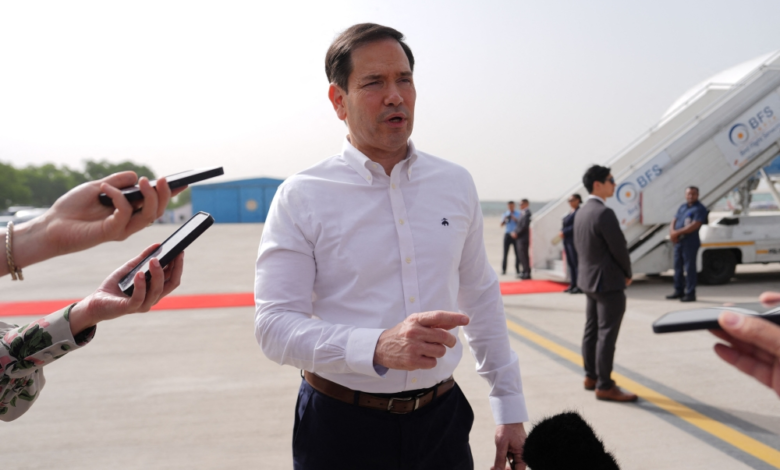
وفي تصريحات أدلى بها للصحفيين خلال مغادرته العاصمة الهندية نيودلهي بعد زيارة رسمية، كشف روبيو عن وجود مقترح أمريكي حاسم. وقال: “اعتقدنا أنه قد يكون لدينا بعض الأنباء الليلة الماضية، وربما اليوم”. وأضاف موضحاً: “لدينا، برأيي، شيء قوي جداً مطروح على الطاولة فيما يتعلق بقدرتهم على فتح المضائق”. هذا التصريح يسلط الضوء على أزمة الملاحة العالمية، خاصة في مضيق هرمز الذي يمر عبره نحو خُمس استهلاك العالم من النفط، مما يجعل تأمينه أولوية قصوى للاقتصاد العالمي.
موقف ترامب وحق إسرائيل في الرد
وعلى صعيد متصل، تطرق روبيو إلى موقف الرئيس الأمريكي دونالد ترامب من هذه المفاوضات، موضحاً أن ترامب خفف من سقف التوقعات الفورية وطلب من فريق التفاوض عدم التسرع. وأكد روبيو أن ترامب “ليس على عجلة من أمره، ولن يُبرم اتفاقاً سيئاً”. وفيما يخص الجانب الإسرائيلي، كان روبيو حازماً بتأكيده أن “لإسرائيل دائماً الحق في حماية نفسها، إذا كان حزب الله سيطلق صواريخ أو أطلق صواريخ باتجاه إسرائيل، فإن لها كل الحق في الرد”.
التأثير المتوقع للاتفاق المحتمل
يحمل هذا الحدث أهمية استراتيجية كبرى وتأثيراً متوقعاً يمتد على عدة أصعدة. محلياً وإقليمياً، من شأن التوصل إلى تسوية أن يهدئ من روع الشعوب في الشرق الأوسط التي تعاني من ويلات الحروب المستمرة، ويحد من خطر اندلاع حرب إقليمية شاملة قد تدمر البنى التحتية وتزيد من الأزمات الإنسانية. دولياً، أعرب روبيو عن ثقته بأن إيران ستنخرط في “مفاوضات حقيقية مهمة، ومحددة زمنياً بشأن المسألة النووية”. وأكد أن هذا التوجه يحظى بدعم دولي كبير، قائلاً: “كل دولة استعرضنا معها الأمر تُدرك أنه ليس فقط معقولاً، بل هو الشيء الصحيح الذي ينبغي القيام به من أجل العالم”. إن نجاح هذه الجهود الدبلوماسية سيعني استقرار أسواق الطاقة العالمية، وتعزيز الأمن والسلم الدوليين، وإعادة رسم الخريطة الجيوسياسية في واحدة من أكثر مناطق العالم تعقيداً.