
طهران تضع شروطاً لنجاح المفاوضات الأمريكية الإيرانية
أكدت وزارة الخارجية الإيرانية في تصريحات حديثة أن المسار الإيجابي ونجاح المفاوضات الأمريكية الإيرانية يعتمد بشكل أساسي وجوهري على تخلي الولايات المتحدة الأمريكية عما وصفته بـ “المطالب المفرطة”. وتأتي هذه التصريحات في ظل حراك دبلوماسي مكثف يهدف إلى حلحلة الملفات العالقة بين واشنطن وطهران، والتي تلقي بظلالها على الاستقرار الإقليمي والدولي.
ماراثون دبلوماسي في إسلام آباد
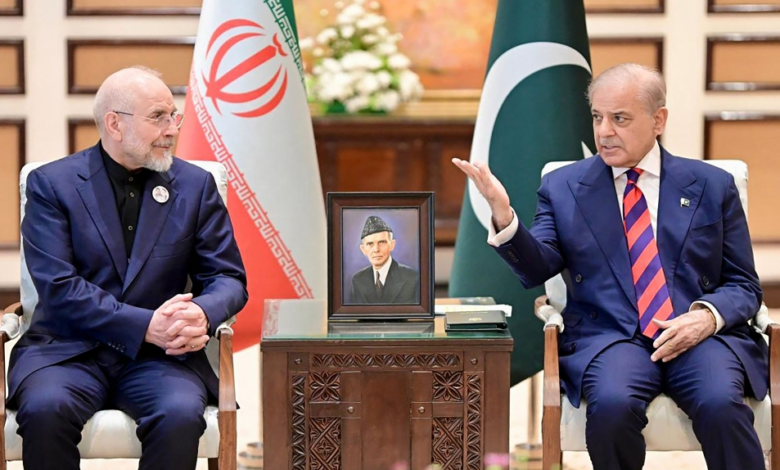
وفي تفاصيل التطورات الميدانية للدبلوماسية، أفادت وسائل إعلام إيرانية رسمية بأن محادثات السلام والمفاوضات بين الولايات المتحدة وإيران، والتي تستضيفها العاصمة الباكستانية إسلام آباد، من المقرر أن تستأنف جلساتها في وقت لاحق من يوم الأحد. ويأتي هذا الاستئناف بعد جولة مفاوضات ماراثونية شاقة استمرت لقرابة 15 ساعة متواصلة، مما يعكس حجم التعقيدات والملفات المطروحة على طاولة النقاش.
وفي هذا السياق، أوردت وكالة “تسنيم” الإيرانية للأنباء تقريراً يؤكد أن “15 ساعة من ماراثون المحادثات قد اختتمت بنجاح في اليوم الأول من المفاوضات بين إيران وأمريكا في إسلام آباد”. من جهتها، أشارت وكالة “مهر” للأنباء إلى أن الجولة المقبلة والحاسمة من هذه المفاوضات ستنعقد فور شروق شمس اليوم التالي، في إشارة إلى استعجال الأطراف للوصول إلى تفاهمات ملموسة.
السياق التاريخي للمفاوضات بين واشنطن وطهران
لفهم طبيعة هذه “المطالب المفرطة” التي تتحدث عنها طهران، يجب العودة إلى السياق التاريخي للعلاقات بين البلدين. منذ انسحاب الولايات المتحدة أحادي الجانب من الاتفاق النووي (خطة العمل الشاملة المشتركة) في عام 2018 إبان إدارة الرئيس السابق دونالد ترامب، وفرض حملة “الضغوط القصوى”، شهدت العلاقات توتراً غير مسبوق. ومنذ تولي إدارة الرئيس جو بايدن، جرت عدة جولات من المحادثات غير المباشرة في عواصم مختلفة مثل فيينا والدوحة ومسقط، بهدف إحياء الاتفاق. وغالباً ما تتمحور الخلافات حول رفع العقوبات الاقتصادية، وتقديم ضمانات أمريكية بعدم الانسحاب المستقبلي، بالإضافة إلى ملفات تتعلق بالأمن الإقليمي وحرية الملاحة في الممرات المائية الحساسة مثل مضيق هرمز.
الأهمية والتأثير المتوقع لنتائج المحادثات
تحمل المفاوضات الأمريكية الإيرانية أهمية استراتيجية بالغة تتجاوز حدود البلدين لتشمل التأثيرات المحلية والإقليمية والدولية. على الصعيد المحلي الإيراني، يمثل رفع العقوبات طوق نجاة للاقتصاد الذي يعاني من أزمات تضخم وتراجع في قيمة العملة. أما على الصعيد الإقليمي، فإن أي تقارب أو تفاهم بين واشنطن وطهران سينعكس بشكل مباشر على خفض التوترات في منطقة الشرق الأوسط، وتحديداً أمن الملاحة في الخليج العربي ومضيق هرمز، الذي يمر عبره جزء كبير من إمدادات الطاقة العالمية.
دولياً، يراقب المجتمع الدولي، بما في ذلك القوى الأوروبية وروسيا والصين، هذه المحادثات عن كثب. فأي اتفاق من شأنه أن يعيد ضخ ملايين البراميل من النفط الإيراني إلى الأسواق العالمية، مما قد يساهم في استقرار أسعار الطاقة التي تأثرت بالأزمات الجيوسياسية المتلاحقة. في النهاية، يبقى نجاح هذه الجهود الدبلوماسية مرهوناً بمدى استعداد الطرفين لتقديم تنازلات متبادلة والوصول إلى نقطة توازن تلبي المصالح المشتركة دون المساس بالخطوط الحمراء لكليهما.