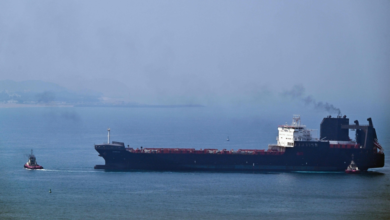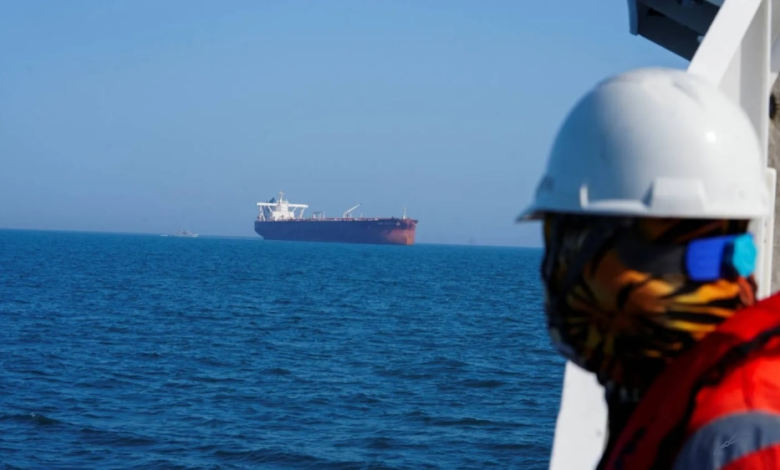

في خطوة تعكس تشديد الرقابة البحرية، أعلن الجيش الأمريكي عن اعتراض وتوجيه ضربة لسفينة حاولت كسر الحصار على مواني إيران. ووفقًا لبيان صادر عن القيادة المركزية الأمريكية يوم الثلاثاء، تم استهداف ناقلة النفط ‘إم/تي ليكسي’، التي كانت تبحر رافعةً علم بوتسوانا، بعد تجاهلها للتحذيرات المتكررة، مما أدى إلى تعطيلها ومنعها من إكمال رحلتها نحو السواحل الإيرانية.
تصاعد التوترات: أبعاد فرض الحصار على مواني إيران
يأتي هذا الحادث في سياق التوترات المستمرة بين الولايات المتحدة وإيران، والتي تعود جذورها إلى عقود من الخلافات السياسية. وقد فرضت واشنطن سلسلة من العقوبات الاقتصادية المشددة بهدف الضغط على طهران لكبح برنامجها النووي وتقليص نفوذها الإقليمي. ويُعد الحصار البحري جزءًا أساسيًا من هذه الاستراتيجية، حيث يستهدف بشكل مباشر قطاع النفط الإيراني الذي يمثل شريان الحياة لاقتصاد البلاد. تهدف هذه الإجراءات إلى منع إيران من تصدير نفطها والحصول على العائدات المالية التي قد تستخدمها لتمويل أنشطتها العسكرية في المنطقة، مما يجعل الممرات المائية في الخليج وبحر عمان مناطق ذات حساسية أمنية عالية.
تفاصيل دقيقة لعملية الاعتراض في خليج عمان
أوضحت القيادة المركزية الأمريكية أن عملية اعتراض الناقلة ‘ليكسي’ لم تكن عشوائية، بل جاءت بعد فترة مراقبة وتحذير استمرت على مدار 24 ساعة. تجاهل طاقم السفينة، التي كانت فارغة من أي حمولة، كافة النداءات والتحذيرات التي أطلقتها القوات الأمريكية عبر قنوات الاتصال البحرية الدولية. وأمام هذا التجاهل المتعمد، قامت طائرة حربية أمريكية بتنفيذ ضربة دقيقة باستخدام صاروخ ‘هيلفاير’ استهدف غرفة محركات السفينة. تم اختيار هذا الأسلوب بعناية لتعطيل السفينة وشل حركتها دون إغراقها أو التسبب في كارثة بيئية أو خسائر بشرية كبيرة، مما يظهر حرص القوات الأمريكية على تجنب التصعيد غير المحسوب مع الحفاظ على صرامة تطبيق العقوبات.
التداعيات المحتملة على الملاحة الدولية وأسواق الطاقة
يحمل هذا التدخل العسكري رسالة واضحة لجميع شركات الشحن والملاحة الدولية بأن الولايات المتحدة جادة في تطبيق عقوباتها ولن تتهاون مع أي محاولات للالتفاف عليها. ومن المتوقع أن يؤدي الحادث إلى زيادة حالة الحذر بين السفن التجارية التي تبحر في هذه المنطقة الحيوية، التي تعد من أهم الممرات المائية في العالم لتجارة النفط. كما قد يؤثر على تكاليف التأمين على الشحن البحري في المنطقة. على الصعيد الإقليمي، يضيف الحادث مستوى جديدًا من التعقيد للعلاقات المتوترة بالفعل، ويثير تساؤلات حول مستقبل الاستقرار في مياه الخليج ومضيق هرمز، مع ترقب رد الفعل الإيراني على هذه الخطوة.