The Iranian threat in the Strait of Hormuz has diminished following a US strike

The US military has confirmed that Iran's ability to threaten maritime traffic in the Strait of Hormuz has been significantly diminished following a precision military operation earlier this week targeting a secret underground facility. Tehran was using this fortified site to store an arsenal of cruise missiles and other advanced weapons that pose a direct threat to regional security.
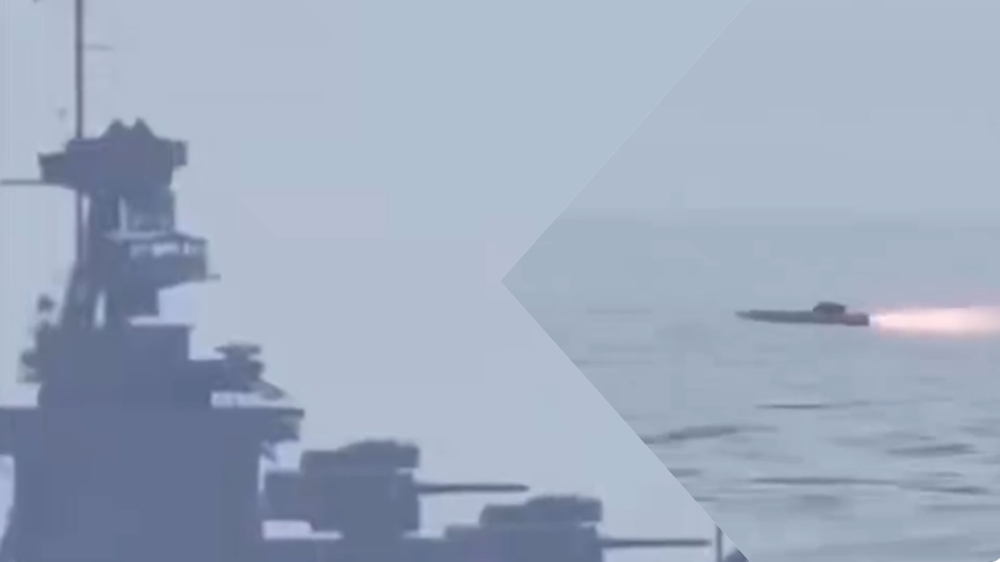
Details of the military strike and the destruction of the radars
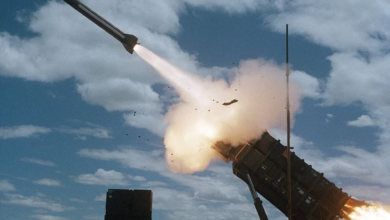
U.S. Central Command clarified that the operation was not limited to destroying weapons depots. In this context, Admiral Brad Cooper, commander of U.S. Central Command in the Middle East, stated in a video posted on the X platform (formerly Twitter): “We didn’t just destroy the facility; we also eliminated intelligence support sites and missile guidance radars that were being used to monitor the movements of commercial and military vessels.” This strike on the Iranian coast was carried out using specialized bunker-buster bombs, weighing over two tons, specifically designed to penetrate and completely destroy deep underground targets.
Anti-ship missiles and the threat to navigation
Admiral Cooper explained the nature of the threat neutralized, noting that the Iranian regime had used this fortified facility to secretly store anti-ship cruise missiles, as well as mobile missile launchers and other military equipment. He emphasized that this arsenal posed a “grave danger to international navigation,” adding, “Iran’s ability to threaten freedom of navigation in and around the Strait of Hormuz has been diminished as a result of this strike, and we will not cease pursuing these targets to ensure the security of waterways.”.
The strategic importance of the Strait of Hormuz and its historical background
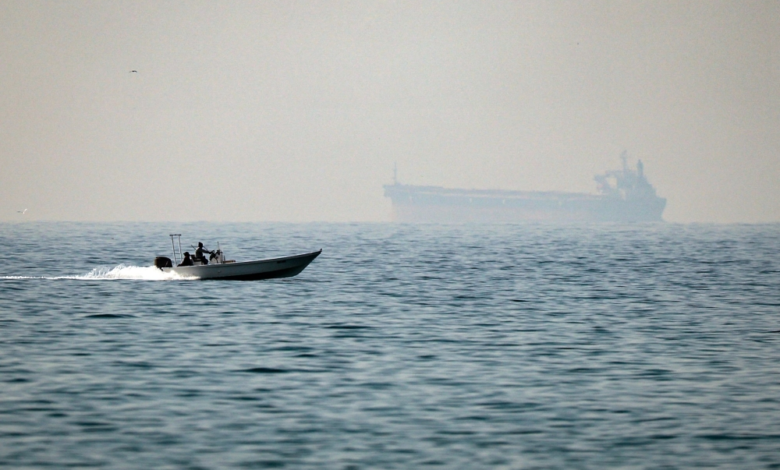
The Strait of Hormuz is one of the world's most strategically important waterways, connecting the Persian Gulf, the Gulf of Oman, and the Arabian Sea. Historically, approximately 20% of the world's daily oil consumption passes through this narrow strait, making it a vital artery for the global economy. Iran has consistently used the threat of closing the strait as a political and military pressure tactic during its crises with the West, from the "Tanker War" in the 1980s to more recent tensions involving the seizure of commercial vessels and attacks on oil tankers, prompting a significant US and international military presence to ensure freedom of navigation.
Regional and international impact of the operation
These developments on the ground have significant implications at both the regional and international levels. Regionally, this strike sends a strong message of reassurance to Washington's allies in the Arabian Gulf region, underscoring the American commitment to protecting the security of waterways from any ballistic or maritime threats. Internationally, neutralizing these missiles contributes to the stability of global energy markets, as any disruption to shipping in the Strait of Hormuz typically leads to an immediate and sharp increase in oil prices and shipping and insurance costs.
The political stance and orientations of the US administration
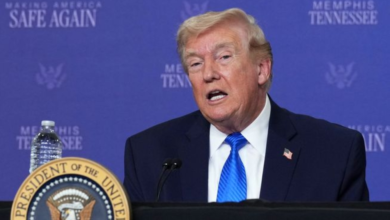
These military developments are unfolding within a complex political context. US President Donald Trump previously announced that Washington was considering a "gradual reduction" of its military operations in the Middle East against what he termed the "Iranian terrorist regime." These remarks came just hours after he ruled out any ceasefire agreement with Tehran, reflecting a strategy of delivering targeted and decisive strikes to curtail Iranian military capabilities without escalating into a full-blown war. This is known as the "maximum pressure" policy, aimed at weakening Tehran's military influence in the region.