
تراجع ملحوظ في أسعار النفط خلال التعاملات المبكرة
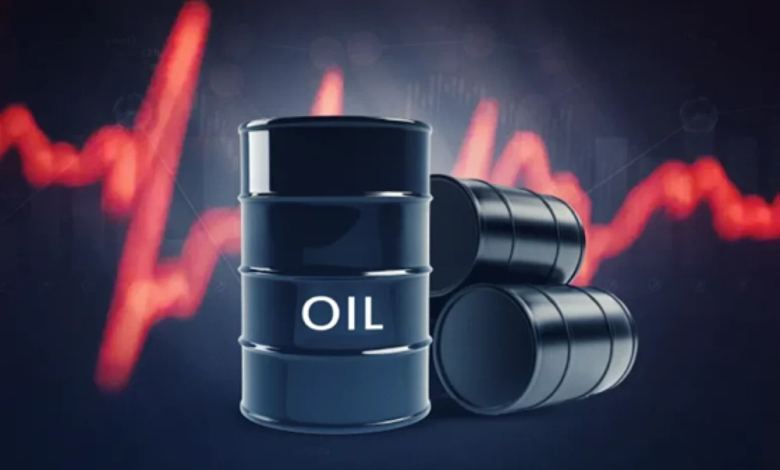
شهدت أسعار النفط تراجعاً ملحوظاً في التعاملات المبكرة اليوم، حيث فقدت العقود الآجلة لخام القياس العالمي “برنت” نحو 90 سنتاً، أي ما يعادل تراجعاً بنسبة 0.8%، ليستقر السعر عند مستوى 107.11 دولار للبرميل. وفي السياق ذاته، انخفضت العقود الآجلة لخام غرب تكساس الوسيط الأمريكي بمقدار 83 سنتاً، أو بنسبة 0.88%، لتصل إلى 93.65 دولار للبرميل. هذا الانخفاض الصباحي ساهم بشكل مباشر في تقليص المكاسب الكبيرة التي حققتها الأسواق خلال الجلسة الماضية.
مكاسب سابقة وتوقعات بخسائر أسبوعية
وعلى الرغم من هذا التراجع الصباحي، فإن الجلسة السابقة (يوم الخميس) كانت قد سجلت قفزة قوية في الأسعار؛ حيث ارتفع سعر خام برنت بنسبة بلغت 5.7%، بينما صعد خام غرب تكساس الوسيط بنسبة 4.6%. ومع ذلك، تشير التحليلات الفنية ومسار السوق الحالي إلى أن كلا الخامين يتجهان نحو تكبد خسائر أسبوعية، مما يعكس حالة التذبذب وعدم اليقين التي تسيطر على أسواق الطاقة العالمية في الوقت الراهن، وتأرجح المستثمرين بين مخاوف نقص الإمدادات وتراجع الطلب.
السياق الاقتصادي وتأثير التوترات العالمية
تأتي هذه التحركات السعرية في ظل سياق عالمي معقد يتسم بتقلبات حادة في أسواق الطاقة. تاريخياً، تعتبر مستويات الأسعار التي تتجاوز حاجز الـ 100 دولار للبرميل، كما هو الحال مع خام برنت عند 107 دولارات، انعكاساً لتوترات جيوسياسية عميقة ومخاوف مستمرة بشأن أمن الإمدادات العالمية. وتتأثر أسعار النفط بشكل مباشر بالقرارات الاقتصادية الكبرى، مثل سياسات البنوك المركزية العالمية المتعلقة برفع أسعار الفائدة لمكافحة التضخم، والتي تؤدي بدورها إلى تقلبات في قيمة الدولار الأمريكي، مما ينعكس فوراً على تكلفة السلع المسعرة بالدولار وفي مقدمتها النفط الخام.
التداعيات الإقليمية والدولية لأسعار النفط الحالية
على الصعيد الإقليمي، تلعب هذه المستويات السعرية دوراً حيوياً في دعم ميزانيات الدول المصدرة للنفط، لا سيما في منطقة الشرق الأوسط ودول الخليج العربي. فالأسعار التي تحوم حول 100 دولار تعزز من الإيرادات الحكومية، مما يتيح لهذه الدول تسريع وتيرة تنفيذ خطط التنمية المستدامة ومشاريع التنويع الاقتصادي. أما على الصعيد الدولي، فإن بقاء الأسعار عند هذه المستويات المرتفعة نسبياً يفرض تحديات كبيرة على الدول المستوردة للطاقة، حيث يؤدي إلى تضخم تكاليف الإنتاج والنقل، مما يزيد من الأعباء الاقتصادية على المستهلكين ويضغط على معدلات النمو الاقتصادي العالمي.
نظرة مستقبلية لأسواق الطاقة
بالنظر إلى المستقبل، يظل المستثمرون والمتداولون في أسواق الطاقة في حالة ترقب مستمر لعدة عوامل رئيسية تحدد مسار الأسعار. من أبرز هذه العوامل قرارات تحالف “أوبك+” المتعلقة بمستويات الإنتاج، والتي تهدف دائماً إلى الحفاظ على توازن واستقرار السوق. بالإضافة إلى ذلك، تلعب البيانات الاقتصادية الصادرة عن الاقتصادات الكبرى دوراً محورياً في تشكيل توقعات الطلب العالمي على النفط الخام، مما يجعل السوق عرضة للمزيد من التقلبات في المدى المنظور.