Prevention efforts: Releasing 9 million beneficial organisms to protect the Kingdom's farms

Introduction to the pioneering environmental initiative
In a strategic move aimed at promoting environmental and agricultural sustainability, the National Center for Plant Pest and Animal Disease Prevention (Wiqa’) launched a large-scale environmental campaign involving the release of more than 9 million beneficial organisms. This initiative, scheduled from April 5 to 9, aims to protect agricultural crops in Saudi Arabia and reduce the excessive reliance on chemical pesticides, which have long negatively impacted ecosystems and public health.
Historical context and the shift towards biological control
Historically, the agricultural sector in the Middle East and the Kingdom has faced significant challenges, including harsh climates and widespread agricultural pests that have inflicted heavy losses on farmers. For decades, the primary reliance has been on traditional chemical pesticides. While these pesticides offer temporary relief, their continued use has led to the emergence of pesticide-resistant strains, as well as potentially damaging soil and groundwater. This has created a pressing need to shift towards biological control and integrated pest management (IPM) programs, a globally recognized scientific approach that the Kingdom has strongly embraced to ensure the balance of the agricultural ecosystem and protect natural resources for future generations.
Field launch details and official figures
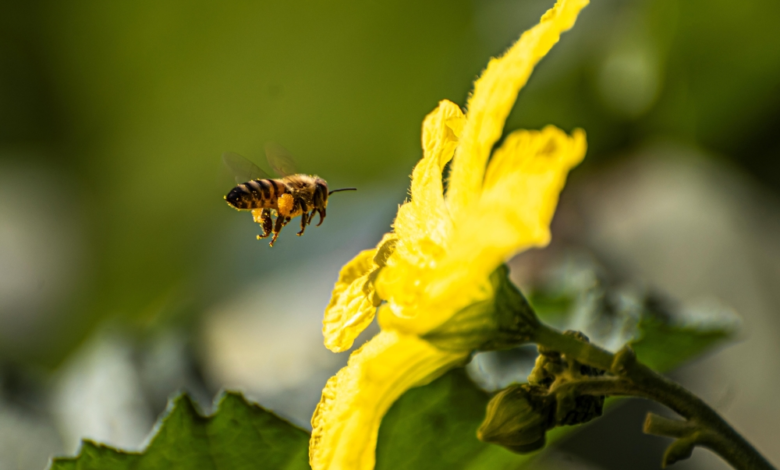
The official report issued by the "Wiqaa" Center, part of the National System for Plant Pest and Animal Disease Prevention, revealed details of the actual release of approximately 9,297,000 beneficial organisms. These organisms were meticulously distributed across 1,174 specially designed and scientifically equipped containers to ensure their survival and effectiveness in the fields. Statistics indicate that these organisms comprise eight different types of natural predators that attack and eliminate harmful pests naturally. Simultaneously, 100 hives of bumblebees, among the most efficient natural pollinators, were released to support biological pollination and increase agricultural productivity naturally and safely.
Field monitoring to ensure crop quality
To ensure the achievement of the desired objectives, field operations were based on the support of six strategic Integrated Pest Management (IPM) programs, aimed at addressing six specific insect pests that threaten crops. The report indicated that the field scope expanded to cover three main areas targeted for biological intervention, with services provided to 45 farms covering a total area of 123.48 hectares. To ensure the quality of the work, technical teams conducted 45 field visits by specialists to monitor progress. Their monitoring and guidance tours included approximately 254 agricultural fields to provide farmers with the necessary technical support and advise them on best practices.
Strategic importance and expected impact
Domestically, these practical measures contribute to ensuring the quality of agricultural crops and establishing the use of safe and environmentally friendly methods for protecting vegetation. This shift enhances the efficiency of agricultural production and protects consumer health from chemical pesticide residues. Regionally and internationally, this step strengthens the Kingdom's position as a leader in adopting green agricultural technologies and is fully aligned with the objectives of the Saudi Green Initiative and the United Nations Sustainable Development Goals. Ultimately, this distinguished institutional effort contributes to achieving sustainable food security, a key pillar of the Kingdom's Vision 2030 aspirations for building a prosperous and secure agricultural future.