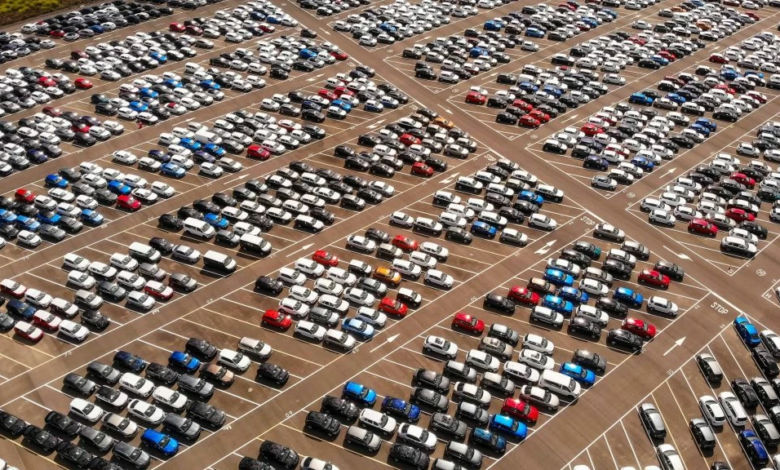

ارتفاع قياسي في أسعار السيارات المستعملة في أمريكا
شهدت أسعار السيارات المستعملة في الولايات المتحدة الأمريكية قفزة ملحوظة لتصل إلى أعلى مستوياتها منذ صيف عام 2023. يأتي هذا الارتفاع مدفوعاً باستمرار قوة الطلب من قبل المستهلكين في ظل محدودية المعروض المتاح في الأسواق. ووفقاً للبيانات الحديثة، صعد مؤشر «مانهايم» لأسعار السيارات المستعملة، وهو المؤشر الصادر عن إحدى أبرز الشركات المتخصصة في تتبع سوق السيارات، بنسبة بلغت 6.2% على أساس سنوي، ليسجل 215.3 نقطة خلال شهر مارس الماضي.
السياق التاريخي لأزمة سوق السيارات
لفهم هذا الارتفاع الحالي، يجب النظر إلى السياق العام والخلفية التاريخية التي مر بها قطاع السيارات العالمي خلال السنوات القليلة الماضية. بدأت الأزمة الحقيقية مع تفشي جائحة كورونا في عام 2020، والتي أدت إلى اضطرابات غير مسبوقة في سلاسل التوريد العالمية، أبرزها أزمة نقص أشباه الموصلات (الرقائق الإلكترونية). هذا النقص الحاد أجبر شركات صناعة السيارات الكبرى على خفض إنتاج السيارات الجديدة، مما دفع ملايين المستهلكين نحو سوق السيارات المستعملة كبديل وحيد. ونتيجة لذلك، شهدت الأسعار ارتفاعات قياسية بلغت ذروتها في عام 2022. ورغم التوقعات بحدوث تصحيح سعري، إلا أن البيانات الحالية تؤكد أن تداعيات تلك الأزمة لا تزال تلقي بظلالها على مستويات العرض حتى اليوم.
التوترات الجيوسياسية ومرونة المستهلك
من أبرز المفارقات في المشهد الاقتصادي الحالي هو استمرار قوة الطلب على السيارات المستعملة رغم التحديات العالمية. وتشير البيانات إلى أن الطلب لا يزال قوياً ومتماسكاً رغم تصاعد التوترات الجيوسياسية في منطقة الشرق الأوسط، لا سيما التداعيات المرتبطة بالصراعات الإقليمية والتوترات مع إيران، والتي أدت بدورها إلى تقلبات وارتفاع في أسعار الوقود عالمياً. هذا التماسك يعكس مرونة استثنائية في إنفاق المستهلكين في هذا القطاع الحيوي.
وفي هذا السياق، صرح جيريمي روب، كبير الاقتصاديين لدى شركة «مانهايم»، في بيان رسمي قائلاً: «إن التوقعات الاقتصادية السابقة كانت تشير إلى احتمال تأثر الطلب سلباً بالأحداث المتسارعة في الشرق الأوسط، إلا أن البيانات الحالية تؤكد استمرار قوة السوق وتماسكه بشكل يفوق التوقعات».
التأثير المتوقع: محلياً، إقليمياً، ودولياً
يحمل هذا الارتفاع في أسعار السيارات المستعملة في دولة عظمى كالولايات المتحدة تأثيرات واسعة النطاق تتجاوز حدودها الجغرافية. على الصعيد المحلي، يساهم هذا الارتفاع في الضغط على مؤشرات التضخم الأمريكية، مما قد يدفع مجلس الاحتياطي الفيدرالي إلى التريث قبل اتخاذ قرارات بشأن خفض أسعار الفائدة، وهو ما يؤثر على تكلفة قروض السيارات. أما على الصعيدين الإقليمي والدولي، فإن الولايات المتحدة تعد من أكبر مصدري السيارات المستعملة إلى العديد من الأسواق الناشئة، بما في ذلك دول أمريكا اللاتينية ومنطقة الشرق الأوسط. ارتفاع الأسعار في السوق الأمريكية يعني بالضرورة ارتفاع تكلفة استيراد هذه السيارات في الدول المعتمدة عليها، مما قد يؤدي إلى موجة تضخم مستوردة تضرب أسواق السيارات المحلية في تلك الدول، ويدفع المستهلكين عالمياً إلى الاحتفاظ بسياراتهم لفترات أطول.