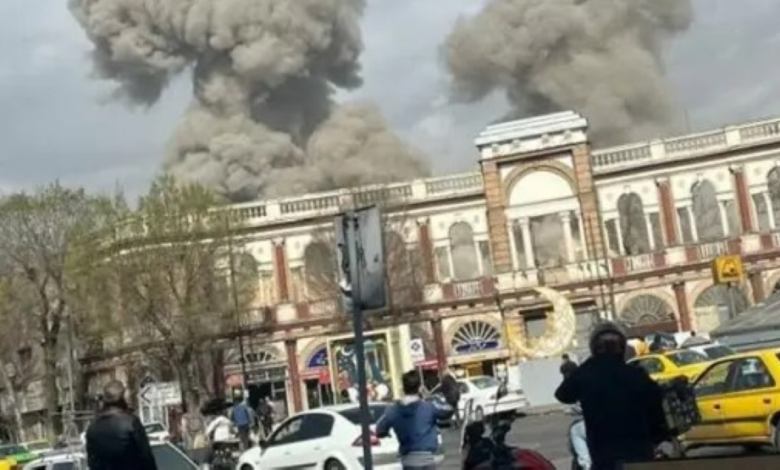

تعيش الشوارع الإيرانية حالة من الترقب المشوب بالخوف واليأس، وذلك بعد أسابيع من التوترات العسكرية المدمرة. لقد تعلق الإيرانيون بآمال عريضة في أن تؤدي المفاوضات المباشرة بين واشنطن وطهران، والتي استضافتها العاصمة الباكستانية إسلام آباد، إلى إرساء قواعد السلام وإنهاء حالة الصراع. لكن إخفاق هذه المحادثات يوم الأحد الماضي أغرق الشارع الإيراني في مشاعر القلق والتوجس من اندلاع مواجهة عسكرية طويلة الأمد قد تدمر ما تبقى من البنية التحتية.
السياق التاريخي وجذور التوتر بين واشنطن وطهران
تأتي هذه التطورات في سياق تاريخي معقد من العداء المستمر بين الولايات المتحدة وإيران، والذي تصاعد بشكل ملحوظ خلال السنوات الماضية إثر تعثر الاتفاقيات النووية وفرض عقوبات اقتصادية قاسية على طهران. هذه العقوبات أضعفت الاقتصاد الإيراني وجعلت المواطن البسيط يتحمل العبء الأكبر. ومع تصاعد التوترات الإقليمية في الشرق الأوسط، أصبحت المواجهة المباشرة تهديداً حقيقياً، مما جعل مفاوضات إسلام آباد بمثابة طوق النجاة الأخير لتجنب الانزلاق نحو حرب شاملة.
قلق وخوف في الأوساط الإيرانية
انعكس فشل المفاوضات بشكل مباشر على الحالة النفسية للمواطنين. تقول الموظفة الثلاثينية مهسا: ‘كنت أتمنى حقاً أن يتوصلوا إلى السلام’. وتضيف بحسرة: ‘لقد مر الآن ما يقارب 45 يوماً، وأنا أرى التوتر في عيون الناس، نحن فعلاً في وضع سيئ’.
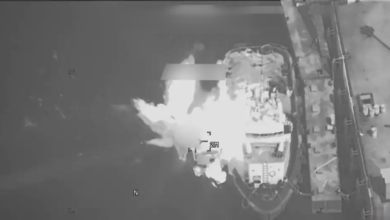
يأتي هذا الإحباط بعد ساعات قليلة من إعلان فشل المحادثات المباشرة، مما بدد الآمال بالتوصل إلى حل دبلوماسي ينهي صراعاً أسفر عن دمار واسع في إيران، وأضرار كبيرة في دول عدة من الشرق الأوسط، إضافة إلى خلق حالة من القلق والاضطراب في الأسواق العالمية، خاصة فيما يتعلق بإمدادات الطاقة وأسعار النفط.
مخاوف من استئناف القتال وتداعياته الإقليمية
يرى حامد، البالغ من العمر 37 عاماً، أن عدم التوصل إلى اتفاق يعني حتماً استئناف القتال. ويقول: ‘كنت أفضل السلام، لكن يبدو أنه لا يوجد طريق آخر سوى الحرب والمواجهة’. ويضيف بأسى: ‘بحسب ما أرى وأسمع، للأسف نحن نعود إلى الحرب، ويبدو أننا نتجه إلى حرب طويلة’، وذلك في ظل غياب أي حديث رسمي عن إمكانية استئناف المفاوضات في المستقبل القريب.
من جانبها، تصف ناهيد، وهي ربة بيت في الستينيات من عمرها، احتمال العودة إلى الحرب بأنه ‘كابوس’ حقيقي. وتؤكد أن الأضرار النفسية للحرب، بعد أسابيع من التوتر، قد تجاوزت حجم الدمار المادي. وتقول ناهيد المقيمة في طهران: ‘نشعر باليأس وانعدام الأمل بشكل كامل، لقد سئمنا من هذه الضبابية’.
خسائر فادحة وتهديدات أمريكية غير مسبوقة
لم تقتصر أضرار الصراع في إيران على المواقع العسكرية فحسب، بل شملت الغارات تدمير مدارس وجامعات ومناطق سكنية، مما زاد من معاناة المدنيين. وفي إحصائية رسمية، أعلن رئيس منظمة الطب الشرعي الإيرانية التابعة للسلطة القضائية يوم الأحد أن 3375 شخصاً قُتلوا منذ اندلاع الحرب. في المقابل، تحدثت منظمات حقوقية إيرانية في الخارج عن سقوط أكثر من 3600 قتيل، نصفهم تقريباً من المدنيين العزل.
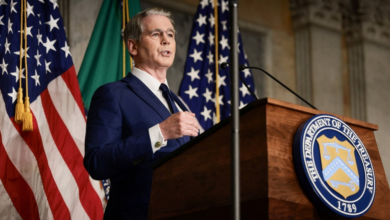
وما زاد من حالة الذعر في الشارع الإيراني هي التصريحات والتهديدات الصادرة عن الرئيس الأمريكي دونالد ترامب، الذي هدد قبيل الإعلان عن وقف إطلاق النار بساعات بـ ‘فتح أبواب الجحيم’ على إيران، متوعداً بـ ‘موت حضارة بأكملها’.
أثارت تلك التصريحات حالة من الرعب غير المسبوق. تعود مهسا لتصف تلك اللحظات قائلة: ‘كنت متوترة حتى الثالثة فجراً، عندما كانوا يوشكون أن يقصفوا البنى التحتية’، مضيفة: ‘لم ينم أحد في تلك الليلة’.
التأثير المتوقع على المستوى الدولي
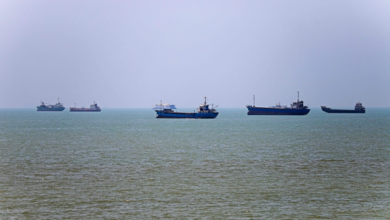
إن فشل هذه المفاوضات لا يقتصر تأثيره على الداخل الإيراني، بل يمتد ليشمل الأمن الإقليمي والدولي. فاندلاع حرب شاملة سيؤدي إلى زعزعة استقرار الملاحة في المنطقة، مما يهدد الاقتصاد العالمي. وفي هذا السياق المظلم، يعبّر فرهاد، وهو تاجر يبلغ من العمر 42 عاماً، عن خيبة أمله العميقة، رغم أنه كان يشعر منذ البداية أن ‘الطرف الآخر لا يريد التوصل إلى نتيجة’. ليبقى المشهد الإيراني معلقاً بين مطرقة الأزمات الاقتصادية وسندان الحرب المحتملة.