
تنظيم حكومي جديد لدراسة طلبات التبرعات الخارجية في السعودية
تواصل المملكة العربية السعودية جهودها الحثيثة والمستمرة في تنظيم قطاع العمل الخيري والإنساني، حيث برزت مؤخراً خطوات تنظيمية هامة تتمثل في تشكيل لجنة حكومية متخصصة تتولى مهمة دراسة طلبات التبرعات الخارجية. يهدف هذا التوجه الاستراتيجي إلى وضع إطار قانوني ومؤسسي متكامل يضمن وصول المساعدات الإنسانية والإغاثية إلى مستحقيها الفعليين خارج حدود المملكة، وذلك مع الالتزام التام بالمعايير الدولية للشفافية المالية والمحاسبة.
السياق العام والخلفية التاريخية لتنظيم العمل الخيري
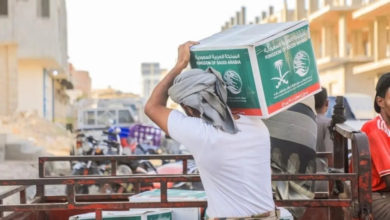
تاريخياً، كانت التبرعات الخارجية في العديد من دول العالم تتم عبر قنوات متعددة وغير مركزية، مما كان يطرح تحديات رقابية وأمنية كبيرة. ومع تطور الأنظمة المالية العالمية وتزايد المخاطر المرتبطة بالتدفقات المالية غير المشروعة، أدركت القيادة في السعودية أهمية حوكمة هذا القطاع الحيوي. وفي هذا السياق، تم اتخاذ قرارات حاسمة في السنوات الماضية، لعل أبرزها إنشاء مركز الملك سلمان للإغاثة والأعمال الإنسانية، ليكون المظلة الرسمية والجهة الوحيدة المخولة بتقديم وتنسيق المساعدات الخارجية. وتأتي اللجنة الحكومية الجديدة لتعمل بتناغم مع الجهات المعنية، مثل البنك المركزي السعودي ورئاسة أمن الدولة ووزارة الموارد البشرية والتنمية الاجتماعية، لدراسة أي طلبات أو مبادرات لجمع التبرعات وتوجيهها للخارج، مما يمنع بشكل قاطع أي استغلال لأموال المتبرعين في أنشطة غير مشروعة مثل غسيل الأموال أو تمويل الإرهاب.
أهمية القرار وتأثيره المحلي والإقليمي والدولي
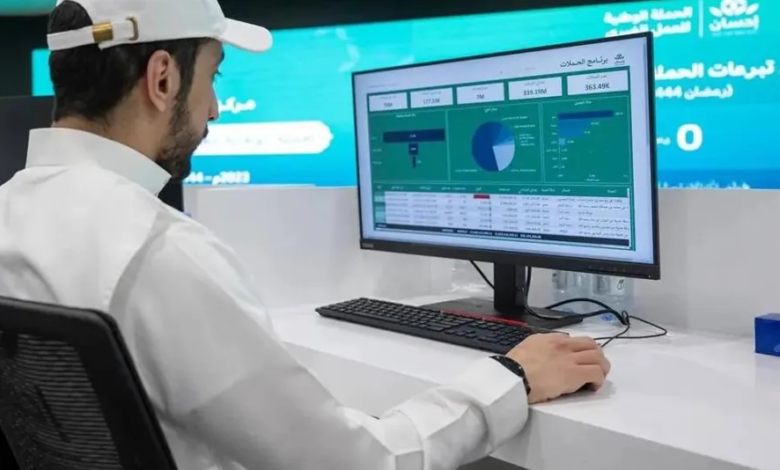
على الصعيد المحلي، يعزز هذا التنظيم الحكومي من مستوى ثقة المواطنين والمقيمين في القنوات الخيرية المتاحة. فعندما يدرك المتبرع أن مساهماته المالية تدار عبر جهات حكومية موثوقة تخضع لرقابة صارمة وتدقيق مالي دقيق، فإن ذلك يشجع على زيادة حجم التبرعات بطرق نظامية وآمنة، ويحمي المجتمع من الوقوع ضحية لحملات جمع الأموال الوهمية أو الاحتيالية.
أما على الصعيدين الإقليمي والدولي، فإن هذه الخطوة الجوهرية تؤكد التزام المملكة العربية السعودية بتوصيات مجموعة العمل المالي (FATF) الخاصة بمكافحة غسل الأموال وتمويل الإرهاب. كما أنها تعزز من مكانة المملكة الرائدة كواحدة من أكبر الدول المانحة للمساعدات الإنسانية والإنمائية في العالم. إن التنظيم الدقيق للتبرعات الخارجية يضمن استدامة العمل الإغاثي وتوجيهه بكفاءة عالية نحو المشاريع التنموية الحقيقية التي تخدم المجتمعات المتضررة من الكوارث الطبيعية والأزمات والحروب، مما يعظم من الأثر الإيجابي للمساعدات السعودية عالمياً.
التوافق مع مستهدفات رؤية السعودية 2030
علاوة على ما سبق، ينسجم هذا الإجراء التنظيمي بشكل وثيق مع مستهدفات رؤية السعودية 2030، والتي تسعى جاهدة إلى تعزيز قيم الشفافية والمساءلة والحوكمة في كافة القطاعات، بما في ذلك القطاع غير الربحي. من خلال تشكيل هذه اللجان وسن التشريعات الصارمة، تبني المملكة نموذجاً عالمياً يحتذى به في إدارة العمل الإنساني، نموذجاً يجمع بين العطاء الإنساني السخي والرقابة المالية الدقيقة. إن دراسة طلبات التبرعات الخارجية وتقييمها من قبل لجنة حكومية متخصصة ليست مجرد إجراء إداري روتيني، بل هي خطوة استراتيجية ووطنية تهدف إلى حماية الاقتصاد الوطني، وصون سمعة المملكة الدولية، وحماية العمل الخيري النبيل من أي شوائب قد تعيق أداء رسالته السامية في مساعدة المحتاجين حول العالم.