
مقدمة عن القرارات الحكومية الأخيرة
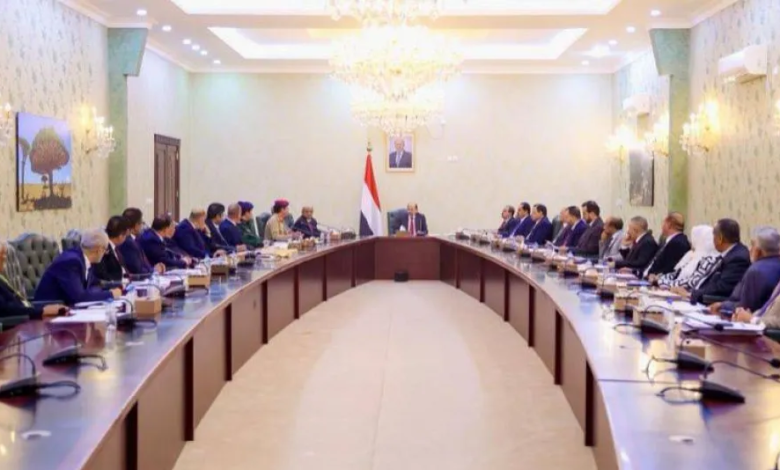
في خطوة تهدف إلى مواجهة التحديات المالية الخانقة، أقرت الحكومة اليمنية المعترف بها دولياً حزمة إصلاحات اقتصادية ومعيشية شاملة. تأتي هذه الخطوة استجابة للضرورة الملحة لوقف التدهور المستمر في قيمة العملة الوطنية (الريال اليمني) وتحسين الأوضاع المعيشية للمواطنين الذين يعانون من تداعيات الصراع المستمر منذ سنوات. تسعى الحكومة من خلال هذه الإصلاحات إلى إعادة الاستقرار للأسواق المحلية وتخفيف وطأة الأزمة الإنسانية التي تُصنف كواحدة من أسوأ الأزمات في العالم.
السياق العام والخلفية التاريخية للاقتصاد اليمني
يعيش اليمن منذ أواخر عام 2014 صراعاً مسلحاً أدى إلى انقسام المؤسسات المالية، وعلى رأسها البنك المركزي اليمني. هذا الانقسام أسفر عن تباين حاد في أسعار الصرف بين المحافظات المختلفة. بالإضافة إلى ذلك، تعرض الاقتصاد اليمني لضربات موجعة، أبرزها توقف تصدير النفط الخام نتيجة الهجمات التي استهدفت موانئ التصدير في أواخر عام 2022، مما حرم الخزينة العامة من أهم مواردها بالعملة الصعبة. الاعتماد الكبير على الواردات لتغطية الاحتياجات الأساسية جعل الاقتصاد شديد التأثر بتقلبات أسعار الصرف، مما أدى إلى ارتفاع معدلات التضخم وتآكل القدرة الشرائية للمواطن البسيط.
أبرز محاور حزمة الإصلاحات الاقتصادية والمعيشية
ترتكز حزمة الإصلاحات التي أقرتها الحكومة اليمنية على عدة محاور رئيسية، من أهمها ترشيد الإنفاق العام وتقليص النفقات غير الضرورية في مؤسسات الدولة. كما تتضمن الخطة تفعيل الأجهزة الرقابية لمكافحة الفساد وتعزيز الشفافية في إدارة الموارد العامة. وإلى جانب ذلك، تعمل الحكومة على تنمية الإيرادات غير النفطية، مثل تحسين آليات تحصيل الضرائب والجمارك في المنافذ البرية والبحرية، لضمان تدفق نقدي مستدام يساعد في الوفاء بالالتزامات الحتمية، وفي مقدمتها دفع رواتب الموظفين بانتظام وتوفير الوقود لمحطات توليد الكهرباء.
أهمية الحدث وتأثيره المتوقع محلياً
على الصعيد المحلي، تمثل هذه الإصلاحات بارقة أمل لملايين اليمنيين. فمن المتوقع أن يساهم تنفيذ هذه الحزمة في كبح جماح التضخم واستقرار أسعار السلع الغذائية الأساسية. كما أن انتظام صرف الرواتب وتحسين الخدمات العامة، خاصة قطاعي الكهرباء والمياه، سينعكس إيجاباً على الحياة اليومية للمواطنين. استعادة الثقة في المؤسسات الحكومية والقطاع المصرفي المحلي تعد خطوة حاسمة نحو تحفيز النشاط التجاري الداخلي وتخفيف معدلات البطالة والفقر المتفشية.
التأثير الإقليمي والدولي للإصلاحات اليمنية
إقليمياً، تعزز هذه الإصلاحات من ثقة الدول المانحة والداعمة لليمن، وعلى رأسها المملكة العربية السعودية ودولة الإمارات العربية المتحدة، اللتان قدمتا ودائع مالية ومنحاً متعددة لدعم البنك المركزي اليمني. إظهار الحكومة لجدية حقيقية في الإصلاح المالي يشجع الحلفاء الإقليميين على الاستمرار في تقديم الدعم الاقتصادي. أما على الصعيد الدولي، فإن هذه الخطوات تتوافق مع متطلبات المؤسسات المالية الدولية مثل صندوق النقد الدولي والبنك الدولي. تلبية هذه المتطلبات تفتح الباب أمام المزيد من التمويلات التنموية والمساعدات الإنسانية الدولية، مما يساهم في دمج الاقتصاد اليمني تدريجياً في المنظومة المالية العالمية وتسهيل حركة التجارة الخارجية.
التحديات التي تواجه تنفيذ الإصلاحات
رغم الأهمية البالغة لهذه القرارات، إلا أن الحكومة اليمنية تواجه تحديات جسيمة في طريق التنفيذ. استمرار الصراع العسكري، والهشاشة الأمنية في بعض المناطق، والانقسام المالي، كلها عوامل تعرقل جهود التنمية. ومع ذلك، يظل المضي قدماً في مسار الإصلاحات الاقتصادية والمعيشية الخيار الوحيد المتاح لتجنيب البلاد انهياراً اقتصادياً شاملاً، وتأسيس مرحلة جديدة من التعافي المالي الذي يخدم مصلحة المواطن اليمني في المقام الأول.