
منظمة الصحة العالمية تقيم الوضع الوبائي لفيروس إيبولا
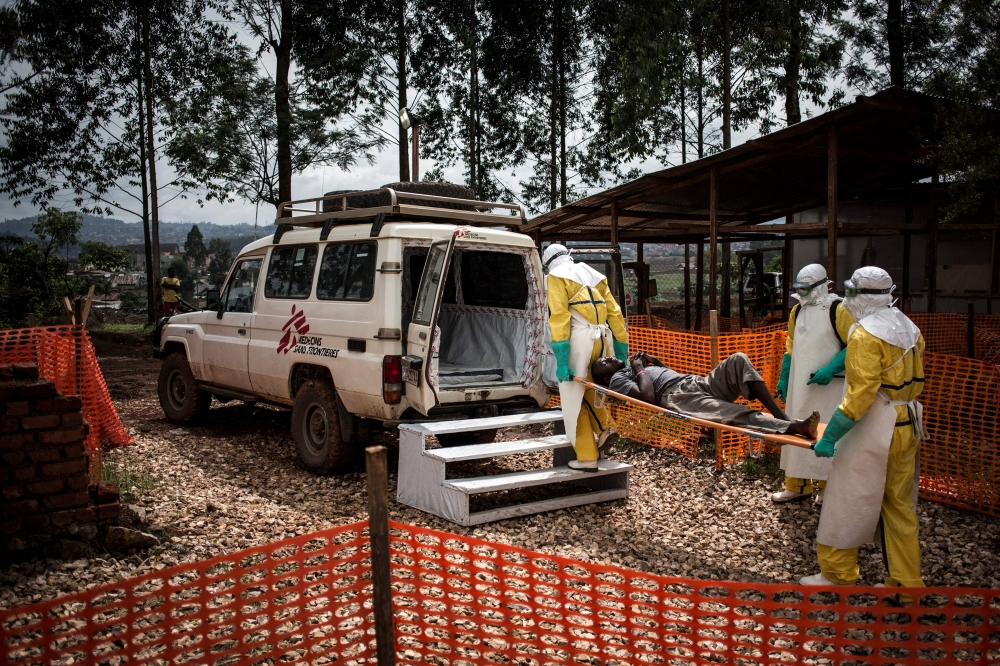
أعلنت منظمة الصحة العالمية في بيان رسمي صدر يوم الأربعاء، أن خطر تفشي فيروس إيبولا في جمهورية الكونغو الديمقراطية لا يزال يُصنف ضمن المستويات المرتفعة على الصعيدين الوطني والإقليمي. ومع ذلك، طمأنت المنظمة المجتمع الدولي بأن الخطر يظل منخفضاً على المستوى العالمي، مؤكدة بشكل قاطع أن الوضع الحالي لا يرقى إلى مستوى إعلان “حالة طوارئ وبائية عالمية” أو ما يُعرف بحالة طوارئ صحية عامة تثير قلقاً دولياً.
تصريحات رسمية حول مستوى الخطر الإقليمي والدولي
وفي هذا السياق، أوضح المدير العام لمنظمة الصحة العالمية، تيدروس أدهانوم غيبريسوس، خلال مؤتمر صحفي عُقد في مقر المنظمة بمدينة جنيف السويسرية، أن اللجان المختصة تُقيّم خطر الوباء بدقة متناهية. وأشار إلى أن المعطيات الحالية تؤكد ارتفاع الخطر محلياً وإقليمياً، لكنه يظل محدوداً ولا يهدد الأمن الصحي العالمي بشكل مباشر.
من جهتها، صرحت لوسيل بلومبرغ، رئيسة لجنة الطوارئ التابعة للمنظمة، في مداخلة لها من جنوب أفريقيا، بأن تفشي إيبولا في الكونغو الديمقراطية لا يستوفي العتبة العلمية والطبية للتحول إلى جائحة عالمية. وأضافت أن المعايير الخاصة بإعلان حالة طوارئ صحية عامة تثير قلقاً دولياً لم تتحقق بعد في هذا السياق، مشددة على اتفاق الخبراء على أن الوضع الراهن لا يلبي معايير الجائحة.
السياق التاريخي لفيروس إيبولا في جمهورية الكونغو الديمقراطية
لفهم طبيعة هذا التحدي الصحي، لا بد من النظر إلى السياق العام والخلفية التاريخية لفيروس إيبولا. تم اكتشاف الفيروس لأول مرة في عام 1976 بالقرب من نهر إيبولا في ما يُعرف الآن بجمهورية الكونغو الديمقراطية. منذ ذلك الحين، واجهت البلاد موجات متعددة من تفشي المرض، كان أشدها الوباء العاشر الذي استمر بين عامي 2018 و2020، والذي صُنف كثاني أكبر تفشٍ للفيروس في التاريخ المسجل بعد كارثة غرب أفريقيا. هذه الخبرة المتراكمة جعلت السلطات الصحية المحلية، بالتعاون مع الشركاء الدوليين، أكثر قدرة على التعامل مع البؤر الوبائية الجديدة من خلال تتبع المخالطين وحملات التطعيم المستهدفة.
أهمية التقييم وتأثيره المتوقع محلياً ودولياً
تبرز أهمية هذا الحدث وتأثيره المتوقع على عدة أصعدة. على المستوى المحلي، يعني هذا التقييم ضرورة تكثيف الجهود الطبية، وتعزيز البنية التحتية الصحية، والاستمرار في حملات التوعية والتطعيم للحد من انتشار الفيروس بين المواطنين في الكونغو الديمقراطية. أما على المستوى الإقليمي، فإن ارتفاع مستوى الخطر يتطلب من الدول المجاورة اتخاذ إجراءات احترازية صارمة على الحدود، وتعزيز أنظمة المراقبة الوبائية لمنع انتقال العدوى عبر المسافرين.
على الصعيد الدولي، يحمل إعلان منظمة الصحة العالمية بعدم تصنيف الوضع كحالة طوارئ عالمية أهمية كبرى؛ فهو يمنع إثارة الذعر غير المبرر في الأسواق العالمية، ويحول دون فرض قيود قاسية على السفر والتجارة الدولية مع القارة الأفريقية. إن توفر اللقاحات الفعالة والعلاجات المعتمدة حديثاً قد غيّر من قواعد اللعبة في مواجهة إيبولا، مما يجعل التركيز الحالي ينصب على الدعم اللوجستي والمادي للكونغو الديمقراطية بدلاً من عزلها دولياً.